How to Combine Keto & Paleo Principles in Plant-Based Meals 🥑 (2026)

green and white fruit on white surface

Ever wondered if you can have the metabolic benefits of keto, the ancestral wisdom of paleo, and the ethical power of plant-based eating all on one plate? Spoiler alert: you absolutely can! Combining these three might sound like a dietary juggling act, but with the right strategy, it becomes a delicious, nutrient-packed lifestyle that fuels your body, supports gut health, and even helps the planet.

Our expert team at Keto Paleo Recipes™ has cracked the code on this triple-threat approach. From mastering macros with plant proteins like hemp and spirulina, to crafting mouthwatering meals that keep you in ketosis without animal products or grains, we’ll guide you step-by-step. Curious how to bust the “not enough protein” myth or what your ultimate food list looks like? Keep reading — your new favorite way to eat is just ahead!


Key Takeaways

  • Plant-based keto paleo is entirely doable by focusing on healthy fats, non-starchy veggies, and select plant proteins like hemp seeds and spirulina.
  • Avoid grains, legumes, dairy, and processed foods to stay true to both paleo and keto principles while remaining plant-based.
  • Micronutrient vigilance is crucial: supplement with B12, D3, algae-based omega-3s, and magnesium to fill nutritional gaps.
  • Meal planning and batch cooking are your best friends for sustainable success and stress-free eating.
  • This lifestyle supports metabolic flexibility, reduces inflammation, and promotes gut-brain health — all while aligning with ethical and environmental values.

Ready to transform your kitchen and your health? Dive into our comprehensive guide and start thriving on the plant-based keto paleo path today!


Table of Contents


⚡️ Quick Tips and Facts for Plant-Based Keto Paleo

Alright, fellow food adventurers and wellness warriors! You’re about to embark on a culinary quest that might seem like a dietary tightrope walk, but trust us, it’s more like a vibrant, nutrient-dense dance. Combining keto, paleo, and plant-based principles? Sounds like a mouthful, and it is – a delicious, healthy mouthful! Here are some rapid-fire facts and tips to get your brain buzzing and your taste buds tingling.

  • Focus on Healthy Fats: Your primary fuel source will be healthy plant-based fats like avocados 🥑, olives, coconut, and nuts. Think quality over quantity (of carbs, that is!).
  • Prioritize Non-Starchy Veggies: Load up on leafy greens, cruciferous vegetables, and other low-carb, nutrient-dense options. These are your carb heroes!
  • Embrace Plant Proteins: Don’t fear the protein gap! Hemp seeds, chia seeds, spirulina, and certain nuts and seeds are your allies. We’ll show you how to get plenty.
  • Say Goodbye to Grains & Legumes: This is where paleo and keto often align, and it’s a key distinction from traditional vegan diets. No beans, no lentils, no quinoa here.
  • Avoid Processed Foods: A cornerstone of all three diets. If it comes in a box with a long ingredient list, it’s likely a no-go. Stick to whole, unprocessed foods.
  • Mind Your Micronutrients: A plant-based approach requires careful attention to vitamins like B12, D, and minerals like iron and zinc. Supplementation is often key.
  • Hydration is King: Drink plenty of water! Electrolytes are also crucial, especially when transitioning to ketosis.
  • Listen to Your Body: This isn’t a one-size-fits-all journey. Pay attention to how different foods make you feel and adjust accordingly.
  • It’s a Lifestyle, Not a Diet: As Dr. Mark Hyman often emphasizes with his Pegan diet, this is about sustainable, anti-inflammatory eating for long-term health. “The Pegan Diet is a lifestyle; it’s a food philosophy, not a diet.” Source: Dr. Mark Hyman’s Facebook Post
  • Get Creative in the Kitchen: This way of eating opens up a world of culinary exploration. Prepare to discover new flavors and ingredients! For more delicious ideas, check out our Keto-Paleo Dinners section.

🌱 The Plant-Powered Ancestral Revolution: A Background Story

green leaf plant

Once upon a time, not so long ago, the dietary landscape seemed neatly divided. You were either a staunch carnivore, a dedicated vegan, or somewhere in the vast, confusing middle. But what if we told you that the lines are blurring, and a new, incredibly powerful way of eating is emerging? A way that taps into our ancestral wisdom while harnessing the incredible vitality of plants? Welcome to the Plant-Based Keto Paleo Revolution!

For years, the paleo diet has championed the eating habits of our Stone Age ancestors, focusing on lean meats, fish, fruits, vegetables, nuts, and seeds, while shunning grains, legumes, and dairy. The ketogenic diet, on the other hand, has gained immense popularity for its metabolic magic, shifting the body into a fat-burning state called ketosis by drastically reducing carbohydrate intake. And then there’s the plant-based movement, a powerful force driven by ethical, environmental, and health considerations, advocating for a diet rich in fruits, vegetables, nuts, seeds, and whole grains.

At first glance, these three might seem like an unlikely trio. Paleo often conjures images of saber-toothed tiger steaks, and keto is synonymous with butter and bacon for many. Plant-based, well, that’s usually all about the grains and legumes, right? Not so fast! Our expert team at Keto Paleo Recipes™ has been diving deep into the science and, more importantly, our own kitchens, to discover a profound synergy.

The truth is, ancient diets were far more plant-heavy and diverse than often portrayed. As the first YouTube video embedded in this article highlights, “Ancient diets reflected many vegan principles by relying on whole, unprocessed plant foods.” [See #featured-video for more]. Archaeological evidence consistently shows that early humans consumed a vast array of plant foods – starchy tubers, nuts, roots, fruits, seeds, and aquatic plants – using tools to process them for maximum nutrient extraction. This historical perspective challenges the notion of an exclusively meat-based ancestral diet and opens the door for a plant-forward approach that is both ancient and innovative.

This isn’t just about combining diets; it’s about extracting the best, most nutrient-dense, and anti-inflammatory principles from each to create a truly optimized way of eating. It’s about fueling your body with clean, wholesome ingredients that support metabolic flexibility, gut health, and sustained energy, all while being kind to the planet. Intrigued? You should be!

🤔 What Exactly Are We Talking About? Decoding Keto, Paleo, and Plant-Based Principles

Before we dive headfirst into the delicious details of combining these powerhouses, let’s make sure we’re all on the same page. Each of these dietary philosophies brings unique strengths to the table. Understanding their core tenets is crucial for successfully weaving them together into a harmonious, healthy lifestyle.

🔥 The Ketogenic Principle: Fueling with Fat for Metabolic Flexibility

The ketogenic diet, or “keto” for short, is all about a metabolic state called ketosis. In simple terms, when you drastically reduce your carbohydrate intake (typically to 20-50 grams of net carbs per day) and increase your fat intake, your body switches from burning glucose (sugar) for energy to burning fat. This process produces molecules called ketones, which can be used as fuel by your brain and body.

Key characteristics of a ketogenic diet:

  • Very Low Carb: This is the defining feature. We’re talking serious carb restriction.
  • High Fat: Healthy fats become your primary energy source, providing satiety and fuel.
  • Moderate Protein: Enough to maintain muscle mass, but not so much that it kicks you out of ketosis (via gluconeogenesis).

Why keto? Many people turn to keto for weight loss, improved blood sugar control, enhanced mental clarity, and sustained energy. It’s a powerful tool for achieving metabolic flexibility, meaning your body becomes efficient at switching between fat and carb burning. For a deeper dive into the fundamentals, check out our Keto Basics section.

🌿 The Paleo Principle: Ancestral Wisdom for Modern Wellness

The paleo diet, often dubbed the “caveman diet,” is an eating plan based on foods similar to what might have been eaten during the Paleolithic era. The core idea, as the Mayo Clinic notes, is that “these changes in diet outpaced the human body’s ability to change, or adapt. This mismatch is believed to contribute to obesity, diabetes and heart disease today.” Source: Mayo Clinic. It’s about eating whole, unprocessed foods that our ancestors would have hunted or gathered.

Key characteristics of a paleo diet:

  • Whole, Unprocessed Foods: A strong emphasis on real food, straight from nature.
  • Lean Proteins: Traditionally includes grass-fed meats, wild-caught fish, and eggs.
  • Fruits & Vegetables: Abundant intake of non-starchy vegetables and moderate fruits.
  • Nuts & Seeds: Healthy fats and micronutrients from these sources.
  • No Grains: Wheat, oats, barley, rice, corn are out.
  • No Legumes: Beans, lentils, peanuts are typically excluded due to anti-nutrients.
  • No Dairy: Often avoided due to lactose intolerance and potential inflammatory effects.
  • No Refined Sugar or Processed Foods: A big win for overall health!

Why paleo? Proponents seek to reduce inflammation, improve gut health, stabilize blood sugar, and support overall well-being by aligning their diet with our evolutionary biology.

💚 The Plant-Based Principle: Harnessing the Power of Plants

A plant-based diet, at its core, emphasizes foods derived from plants, with minimal or no animal products. This can range from flexitarian (mostly plant-based) to vegan (exclusively plant-based). For our purposes, when we talk about plant-based keto paleo, we’re leaning towards a vegan-paleo approach that is also ketogenic.

Key characteristics of a plant-based diet (in our context):

  • Excludes All Animal Products: No meat, poultry, fish, dairy, eggs, or honey.
  • Focus on Fruits, Vegetables, Nuts, Seeds: These are the stars of the show.
  • Emphasizes Whole Foods: Minimally processed plant ingredients.

Why plant-based? Many choose this path for ethical reasons (animal welfare), environmental sustainability (lower carbon footprint), and significant health benefits, including reduced risk of heart disease, type 2 diabetes, and certain cancers Source: Harvard Health Publishing.

🚀 Why Go Triple Threat? The Synergistic Benefits of a Plant-Based Keto Paleo Lifestyle

Video: The Most Important Nutrient On A Vegan Keto Diet Plan – Dr.Berg.

Okay, so you’ve seen the individual power players. Now, imagine them joining forces, like a dietary Avengers team! Combining keto, paleo, and plant-based principles isn’t just about restriction; it’s about amplifying the benefits of each while mitigating potential drawbacks. We call it the “Triple Threat” because it hits all the right notes for optimal health.

From our experience as healthy chefs and personal trainers at Keto Paleo Recipes™, we’ve seen firsthand how this combined approach can be a game-changer. It’s not for the faint of heart, but the rewards are truly phenomenal.

Here’s why this synergy is so powerful:

  1. Enhanced Metabolic Flexibility & Fat Burning: Keto’s core benefit is metabolic flexibility. By pairing it with a plant-based, paleo-approved framework, you’re fueling your body with clean, anti-inflammatory fats and nutrient-dense vegetables. This can lead to more stable blood sugar, sustained energy, and efficient fat loss. My colleague, Chef Anya, once told me, “When I first tried this, I felt like my body finally learned how to breathe fat. The energy was so consistent, no more afternoon slumps!”
  2. Reduced Inflammation & Gut Health Support: Both paleo and plant-based diets are inherently anti-inflammatory. By eliminating common inflammatory triggers like grains, legumes, dairy, and processed foods (paleo), and focusing on a rainbow of phytonutrient-rich plants (plant-based), you’re giving your gut a serious hug. This can lead to improvements in digestion, skin health, and overall immune function. Dr. Mark Hyman’s Pegan diet, which shares many principles, emphasizes this anti-inflammatory approach.
  3. Nutrient Density Maximized: While traditional keto can sometimes fall short on micronutrients if not carefully planned, and traditional vegan diets can be carb-heavy, our combined approach prioritizes nutrient-dense, low-carb plant foods. Think vibrant leafy greens, cruciferous powerhouses, and a variety of nuts and seeds. You’re getting a huge bang for your nutritional buck!
  4. Sustainable Energy & Mental Clarity: When your body is efficiently burning fat for fuel, you often experience a steady, clean energy flow without the peaks and crashes associated with high-carb diets. Many of our clients report improved focus, concentration, and a general sense of mental sharpness. Trainer Ben swears by it for his morning workouts: “No jitters, just pure, focused energy that lasts.”
  5. Ethical & Environmental Alignment: For those driven by a desire to reduce their environmental footprint and support animal welfare, this approach offers a powerful solution. You’re eating in a way that is both personally healthy and globally conscious.
  6. Blood Sugar Stabilization: By eliminating refined sugars, grains, and most starchy vegetables, and focusing on healthy fats and fiber-rich non-starchy plants, this diet is a champion for stable blood sugar levels. This is particularly beneficial for those managing insulin resistance or type 2 diabetes.

It’s a challenging path, yes, but one that promises profound transformations. Are you ready to unlock this next level of wellness?

🤝 The Grand Overlap: Where Keto, Paleo, and Plant-Based Harmonize Beautifully

Video: How to Follow a Plant-Based Ketogenic Diet.

You might be thinking, “This sounds like a lot of rules!” And yes, there are guidelines. But the beauty of the Plant-Based Keto Paleo approach lies in its elegant overlap. Instead of seeing three separate diets, visualize a Venn diagram where the sweet spot in the middle is where true magic happens.

Let’s break down where these philosophies naturally converge:

Feature / Diet Ketogenic Paleo Plant-Based Plant-Based Keto Paleo (Overlap)
Processed Foods ❌ Avoid ❌ Avoid ❌ Avoid Strongly Avoided
Refined Sugars ❌ Avoid ❌ Avoid ❌ Avoid Strongly Avoided
Healthy Fats ✅ Emphasize ✅ Emphasize ✅ Emphasize (plant sources) Emphasized (plant sources)
Non-Starchy Vegetables ✅ Emphasize ✅ Emphasize ✅ Emphasize Emphasized
Fruits ❌ Limit (high sugar) ✅ Moderate ✅ Emphasize Limit (high sugar)
Grains ❌ Avoid ❌ Avoid ✅ Emphasize (whole grains) Avoided
Legumes ❌ Limit (carbs) ❌ Avoid ✅ Emphasize Avoided
Dairy ✅ Optional ❌ Avoid ❌ Avoid Avoided
Animal Products ✅ Emphasize ✅ Emphasize ❌ Avoid Avoided
Nuts & Seeds ✅ Emphasize ✅ Emphasize ✅ Emphasize Emphasized

As you can see, the common ground is vast and powerful! All three diets champion whole, unprocessed foods and vehemently reject refined sugars and highly processed junk. This foundational agreement is what makes the combination not just possible, but incredibly effective.

Here’s the secret sauce in the overlap:

  • Elimination of Inflammatory Foods: By ditching grains, legumes, and dairy (paleo and plant-based alignment) and processed sugars (all three), you’re creating an incredibly clean, anti-inflammatory environment in your body. This is a huge win for gut health and overall systemic wellness.
  • Focus on Nutrient-Dense Whole Foods: The emphasis shifts entirely to vibrant vegetables, healthy fats, and carefully selected plant proteins. This ensures you’re getting a broad spectrum of vitamins, minerals, and phytonutrients.
  • Metabolic Optimization: The keto component ensures your body is a fat-burning machine, while the plant-based and paleo principles ensure that the fats and other foods you are eating are of the highest quality and support long-term health.

It’s about stripping away the modern dietary noise and returning to a simpler, more effective way of eating that our bodies are truly designed for. It’s about finding harmony in what might seem like conflicting philosophies, and trust us, the harmony is sweet!

1. Your Ultimate Plant-Based Keto Paleo Food List: What to Feast On!

Video: Is a plant-based keto diet good for you? | Mastering Diabetes | Dr. Neal Barnard.

Alright, let’s get down to brass tacks: what can you eat? This is where the rubber meets the road, or rather, where the avocado meets the salad! Building your plate with the right ingredients is paramount for success on this journey. Forget deprivation; think delicious, nutrient-packed abundance! For a comprehensive guide, explore our Food Lists section.

✅ Approved Plant-Based Keto Paleo Foods: Your Green Light Guide

Get ready to fill your pantry and fridge with these amazing, compliant ingredients. These are the stars of your plant-based keto paleo kitchen!

  • Healthy Fats & Oils: These are your primary energy source and will keep you satiated.
    • Avocados: Fresh, creamy, and packed with monounsaturated fats. A staple!
    • Coconut Products: Coconut oil (great for cooking!), coconut butter, unsweetened shredded coconut, full-fat coconut milk (canned, unsweetened).
    • Olive Oil: Extra virgin, cold-pressed for dressings and finishing. Shop Olive Oil on: Amazon | Walmart | Instacart
    • MCT Oil: Medium-chain triglycerides, a fantastic source of quick ketones. We love Bulletproof Brain Octane C8 MCT Oil. Shop Bulletproof Brain Octane C8 MCT Oil on: Amazon | Bulletproof Official Website
    • Nut & Seed Butters: Almond butter, macadamia nut butter, sunflower seed butter (ensure no added sugars or oils).
    • Cacao Butter: A delicious, dairy-free fat for desserts.
  • Non-Starchy Vegetables: Your carb allowance will primarily come from these nutrient powerhouses. Eat them in abundance!
    • Leafy Greens: Spinach, kale, Swiss chard, romaine, arugula, collard greens, bok choy.
    • Cruciferous Veggies: Broccoli, cauliflower, Brussels sprouts, cabbage. Cauliflower rice and mashed cauliflower are keto paleo staples!
    • Other Low-Carb Veggies: Zucchini, cucumber, bell peppers (especially green), asparagus, green beans, mushrooms, celery, radishes, artichoke hearts, eggplant.
    • Sea Vegetables: Nori, dulse, kelp (great for iodine!).
  • Nuts & Seeds: Excellent sources of healthy fats, fiber, and plant protein.
    • Nuts: Almonds, macadamia nuts, pecans, walnuts, Brazil nuts, hazelnuts. (Limit cashews and pistachios due to higher carb content).
    • Seeds: Chia seeds, flax seeds (ground for better absorption), hemp seeds (hemp hearts), pumpkin seeds, sunflower seeds, sesame seeds.
    • Nutritional Yeast: A fantastic cheesy flavor enhancer and source of B vitamins (ensure it’s fortified with B12).
  • Plant-Based Proteins (Low-Carb & Paleo-Friendly): This is where it gets a little tricky, as many traditional plant proteins (legumes, soy) are out. But fear not, there are excellent options!
    • Hemp Seeds (Hemp Hearts): A complete protein with a great omega-3 to omega-6 ratio.
    • Chia Seeds: Also a complete protein, high in fiber and omega-3s.
    • Flax Seeds: Good protein and fiber, best ground.
    • Spirulina & Chlorella: Nutrient-dense algae, excellent protein source. We recommend Nutrex Hawaii Spirulina Pacifica Powder. Shop Nutrex Hawaii Spirulina Pacifica Powder on: Amazon | Nutrex Hawaii Official Website
    • Pumpkin Seeds: Good protein and zinc.
    • Almonds & Walnuts: Offer some protein alongside healthy fats.
    • Certain Low-Carb Vegetables: Broccoli, spinach, and mushrooms contribute small but significant amounts of protein.
  • Fruits (in moderation): Due to sugar content, fruits are limited to very low-carb options.
    • Berries: Blackberries, raspberries, strawberries (in small portions).
    • Avocado: Yes, it’s a fruit! And a staple.
    • Lemon & Lime: Great for flavor without the sugar.
  • Sweeteners (Natural, Low-Carb):
  • Herbs & Spices: Use liberally for flavor!
    • All fresh and dried herbs (basil, oregano, thyme, rosemary, cilantro, parsley).
    • Spices (turmeric, ginger, cumin, paprika, chili powder, cinnamon).
    • Pink Himalayan salt, black pepper.
  • Beverages:
    • Water (filtered is best!).
    • Unsweetened almond milk, coconut milk (carton, unsweetened).
    • Herbal teas, black coffee (in moderation).
    • Sparkling water.

❌ Foods to Sidestep on Your Journey: The Red Light Report

This is where the “keto,” “paleo,” and “plant-based” rules converge to create a list of foods you’ll need to avoid. It might seem extensive at first, but remember, it’s about making space for the incredibly nourishing foods we just listed!

  • Grains: Wheat, oats, barley, rye, rice (white, brown, wild), corn, quinoa, millet, sorghum. (This is a major departure from traditional vegan diets).
  • Legumes: Beans (black, kidney, pinto, navy, cannellini), lentils, chickpeas, peanuts (yes, peanuts are legumes!), soy (tofu, tempeh, edamame, soy milk). (Another major departure from traditional vegan diets, but aligns with paleo principles).
  • Dairy Products: Milk, cheese, yogurt, butter, cream, ice cream (all animal-derived dairy).
  • Animal Products: Meat (beef, pork, lamb), poultry (chicken, turkey), fish, seafood, eggs, honey (as it’s an animal product).
  • Starchy Vegetables: White potatoes, sweet potatoes, yams, parsnips, corn, peas. (These are generally too high in carbs for ketosis).
  • High-Sugar Fruits: Bananas, mangoes, grapes, pineapple, oranges, apples (most fruits, unfortunately, due to their sugar content).
  • Refined Sugars & Artificial Sweeteners: White sugar, brown sugar, agave nectar, maple syrup, high-fructose corn syrup, aspartame, sucralose.
  • Processed & Refined Oils: Canola oil, soybean oil, corn oil, sunflower oil, safflower oil, grapeseed oil (these are often inflammatory and highly processed).
  • Processed Foods: Anything with artificial ingredients, preservatives, or a long list of unpronounceable items. This includes most packaged snacks, cereals, and baked goods.

It’s a strict list, we know! But every “no” opens the door to a more vibrant, energetic “yes” for your health.

2. Mastering Macronutrients: Balancing Healthy Fats, Plant Proteins, and Smart Carbs

Video: Can You Combine Keto And Paleo Eating?

Navigating macronutrients (fats, proteins, and carbohydrates) is the cornerstone of any successful keto diet, and it’s especially critical when you’re also plant-based and paleo. It’s not just about what you eat, but how much of each macro you consume. Think of it like a finely tuned orchestra – each section plays a vital role in creating a beautiful symphony of health.

Our general macro targets for a plant-based keto paleo approach typically look something like this:

  • Fats: 70-80% of daily calories
  • Protein: 15-25% of daily calories
  • Net Carbs: 5-10% of daily calories (usually 20-50g net carbs)

These are starting points, of course, and can be adjusted based on your activity level, goals, and individual response. Tracking your macros, especially in the beginning, can be incredibly helpful. Apps like MyFitnessPal or Cronometer can be invaluable tools.

🥑 Healthy Fats: Your Best Friends for Satiety and Energy

On a plant-based keto paleo diet, fats aren’t just a component; they’re your primary fuel source. This means embracing them with open arms! They provide sustained energy, keep you feeling full, and are crucial for absorbing fat-soluble vitamins.

  • Avocados: My personal go-to! I remember a client, Sarah, who struggled with hunger pangs on previous diets. Once we introduced a whole avocado into her daily routine, she exclaimed, “It’s like a magic satiety button!” They’re rich in monounsaturated fats, potassium, and fiber.
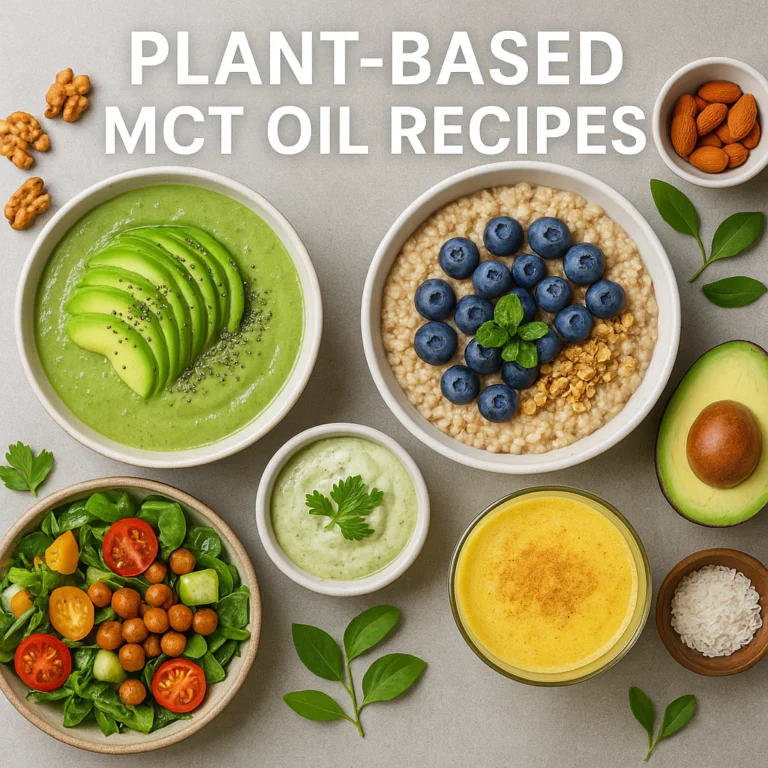
  • Coconut Oil & MCT Oil: Coconut oil is fantastic for cooking at higher temperatures, while MCT oil (Medium-Chain Triglycerides) is a superstar for quick ketone production. Add a tablespoon of Sports Research MCT Oil to your morning smoothie or coffee for an energy boost. Shop Sports Research MCT Oil on: Amazon | Sports Research Official Website
  • Olive Oil: Best used raw in dressings or drizzled over finished dishes. Look for high-quality extra virgin olive oil.
  • Nuts & Seeds: Macadamia nuts, pecans, walnuts, chia seeds, flax seeds, hemp seeds, pumpkin seeds. These provide a blend of healthy fats, fiber, and some protein. Just be mindful of portion sizes, as calories can add up quickly.
  • Nut Butters: Almond butter, macadamia nut butter, sunflower seed butter (ensure no added sugars or oils!). These are great for a quick fat boost or as a base for sauces.

Tip: Don’t be afraid to add a generous drizzle of olive oil to your salads or a dollop of coconut butter to your smoothies. These fats are your friends!

💪 Plant-Based Protein Powerhouses: Building Blocks Without the Meat

This is often the biggest concern for people transitioning to a plant-based keto paleo diet: “Where will I get my protein?” It’s a valid question, especially since legumes and soy are off the table. But rest assured, there are plenty of excellent, paleo-friendly plant-based protein sources to keep your muscles happy and your body strong.

  • Hemp Seeds (Hemp Hearts): These tiny powerhouses are a complete protein, meaning they contain all nine essential amino acids. They have a mild, nutty flavor and are fantastic sprinkled on salads, smoothies, or even in “no-oatmeal” breakfasts. A 3-tablespoon serving of Manitoba Harvest Hemp Hearts provides about 10g of protein and 1g net carbs. Shop Manitoba Harvest Hemp Hearts on: Amazon | Walmart | Manitoba Harvest Official Website
  • Chia Seeds: Another complete protein, rich in omega-3s and fiber. They absorb liquid and form a gel, making them perfect for puddings or as an egg substitute in some recipes.
  • Flax Seeds (Ground): While not a complete protein, ground flax seeds offer good protein, fiber, and omega-3s. Always grind them to ensure proper nutrient absorption.
  • Spirulina & Chlorella: These nutrient-dense algae are incredibly rich in protein and a wide array of micronutrients. You can add them to smoothies for a powerful boost.
  • Pumpkin Seeds: A good source of protein, healthy fats, and minerals like zinc.
  • Nutritional Yeast: While not a primary protein source, it contributes some protein and is fortified with B vitamins, including B12, which is crucial for plant-based diets.
  • Low-Carb Vegetables: Don’t underestimate the protein content of vegetables! Broccoli, spinach, asparagus, and mushrooms all contribute small but significant amounts of protein to your daily intake.

Personal Anecdote: When I first went plant-based keto, I was obsessed with hitting my protein macros. I started experimenting with hemp seed “meatballs” and chia seed “eggs.” It felt like a culinary puzzle, but the creativity it sparked was incredible! You can find many such ideas in our Keto-Paleo Recipes section.

🥦 Smart Carb Choices: The Low-Glycemic Goodness for Stable Blood Sugar

This is where the “keto” and “paleo” aspects really shine in limiting traditional plant-based carb sources. Your carb intake will be low, but it will be incredibly nutrient-dense and fiber-rich. We’re talking about net carbs here (total carbs minus fiber).

  • Leafy Greens: Spinach, kale, romaine, arugula, Swiss chard. These are virtually free-for-all! Pile them high in salads, sautĂ© them, or blend them into smoothies.
  • Cruciferous Vegetables: Broccoli, cauliflower, Brussels sprouts, cabbage. These are your best friends for bulk and versatility. Cauliflower can be riced, mashed, roasted, or turned into pizza crusts. Broccoli makes excellent “rice” or roasted sides.
  • Other Low-Carb Veggies: Zucchini, cucumber, bell peppers (especially green), asparagus, green beans, mushrooms, celery, radishes, eggplant. These add variety, flavor, and essential micronutrients without spiking your blood sugar.
  • Small Portions of Berries: Blackberries, raspberries, and strawberries are the lowest in sugar among fruits. Enjoy them sparingly as a treat.

The takeaway? Your carbs come from the ground, not from a box or a bag of grains. This ensures you’re getting maximum fiber and micronutrients with minimal impact on blood sugar, keeping you firmly in ketosis and feeling fantastic.

3. Essential Micronutrients & Smart Supplementation for Optimal Plant-Based Keto Paleo Health

Video: Guide to the Plant Based Keto Diet: Vegetarian Low Carb Diet (KETO 2021).

Okay, we’ve talked macros, but let’s not forget the unsung heroes of health: micronutrients! When you combine three distinct dietary approaches like plant-based, keto, and paleo, you’re creating a highly specific nutritional profile. While incredibly nutrient-dense, it’s also crucial to be aware of potential gaps. This is where smart supplementation becomes your secret weapon, ensuring you’re not just surviving, but truly thriving.

🔍 Key Vitamins and Minerals to Watch: Bridging the Gaps

Our team, having guided countless individuals through this journey, knows exactly where to shine the spotlight. Here are the micronutrients that often require extra attention on a plant-based keto paleo diet:

  • Vitamin B12: This is the big one! B12 is primarily found in animal products. Since our diet excludes all animal products, supplementation is non-negotiable. Without it, you risk serious neurological issues and anemia.
    • Why it’s crucial: Essential for nerve function, red blood cell formation, and DNA synthesis.
    • Our recommendation: Look for methylcobalamin or adenosylcobalamin forms for best absorption.
  • Vitamin D3: While some D3 can be synthesized from sun exposure, many people are deficient, especially in colder climates. Plant-based D3 (from lichen) is available.
    • Why it’s crucial: Bone health, immune function, mood regulation.
    • Our recommendation: Get your levels tested! Aim for a high-quality vegan D3 supplement.
  • Omega-3 Fatty Acids (EPA & DHA): While flax and chia seeds provide ALA (alpha-linolenic acid), the conversion to EPA and DHA (the active forms) can be inefficient.
    • Why it’s crucial: Brain health, heart health, anti-inflammatory effects.
    • Our recommendation: Supplement with an algae-based omega-3 supplement.
  • Iron: Plant-based iron (non-heme) is less readily absorbed than heme iron from animal sources. While leafy greens and seeds contain iron, absorption can be a concern.
    • Why it’s crucial: Oxygen transport, energy production.
    • Our recommendation: Pair iron-rich plant foods with Vitamin C to enhance absorption. Monitor your levels with blood tests.
  • Zinc: Found in nuts, seeds, and some vegetables, but absorption can be affected by phytates.
    • Why it’s crucial: Immune function, wound healing, DNA synthesis.
    • Our recommendation: Include plenty of pumpkin seeds and hemp seeds. Consider a supplement if levels are low.
  • Iodine: Can be a concern if you’re not consuming iodized salt or sea vegetables regularly.
    • Why it’s crucial: Thyroid function.
    • Our recommendation: Incorporate sea vegetables like nori or dulse, or use a supplement.
  • Calcium: While leafy greens are good sources, avoiding dairy means you need to be mindful.
    • Why it’s crucial: Bone health, muscle function.
    • Our recommendation: Focus on calcium-rich greens (kale, collards), fortified plant milks (if paleo-friendly), and consider a supplement if needed.
  • Electrolytes (Sodium, Potassium, Magnesium): Especially important when starting keto, as increased water excretion can deplete these minerals.
    • Why it’s crucial: Nerve and muscle function, hydration, preventing “keto flu.”
    • Our recommendation: Use pink Himalayan salt, eat potassium-rich avocados and leafy greens, and consider a magnesium supplement.

💊 Our Top Supplement Recommendations: Your Nutritional Safety Net

Based on our expertise and personal experience, here are the supplements we frequently recommend to our clients on a plant-based keto paleo journey. Remember, always consult with a healthcare professional before starting any new supplement regimen.

  1. Vegan B12: This is non-negotiable.
  2. Algae-Based Omega-3 (EPA/DHA):
  3. Vegan Vitamin D3:
  4. Magnesium Complex: Many people are deficient, and it’s crucial for over 300 bodily functions.
  5. Electrolyte Supplement (Sugar-Free): Especially useful during the initial keto adaptation phase or after intense workouts.

Remember, supplements are meant to supplement a healthy diet, not replace it. Focus on nutrient-dense whole foods first, and then strategically fill any potential gaps.

4. Crafting Your Plate: Meal Planning & Prep Strategies for Success

Video: Best Protein Sources for Vegan Keto.

You’ve got your food list, you understand your macros, and you’re armed with supplement knowledge. Now, how do you actually make this a sustainable, delicious reality in your daily life? The answer, my friends, lies in smart meal planning and efficient prep. Without a solid strategy, even the most enthusiastic health goals can crumble under the weight of busy schedules and decision fatigue.

As healthy chefs, we know that cooking should be enjoyable, not a chore. And as personal trainers, we understand that consistency is key. That’s why we swear by these methods. For more structured guidance, check out our Keto-Paleo Diet Plans!

🗓️ A Sample Day: A Glimpse into Delicious Plant-Based Keto Paleo Eating

Let’s paint a picture of what a typical, delicious day might look like on a plant-based keto paleo plan. This isn’t just theoretical; this is how many of our clients (and we!) eat to feel energized and satisfied.

Morning (7:00 AM) – Wake Up & Hydrate:

  • Large glass of filtered water with a squeeze of lemon and a pinch of pink Himalayan salt.
  • Optional: Black coffee or herbal tea with a teaspoon of MCT oil.

Breakfast (8:00 AM) – Power Start:

Mid-Morning Snack (11:00 AM) – If Needed:

  • Small handful of macadamia nuts or pecans.
  • Celery sticks with a generous dollop of almond butter (no added sugar).

Lunch (1:00 PM) – Vibrant & Filling:

  • Large “Power Bowl”: Base of mixed greens (spinach, arugula), topped with roasted broccoli and cauliflower florets (tossed in olive oil and herbs), sliced avocado, a sprinkle of pumpkin seeds and hemp seeds, and a generous drizzle of a lemon-tahini dressing (tahini, lemon juice, olive oil, water, garlic powder, salt).
    • Why it works: A rainbow of non-starchy veggies, healthy fats, and plant protein. Customizable and satisfying.

Afternoon Snack (4:00 PM) – Beat the Slump:

  • Cucumber slices with a sprinkle of everything bagel seasoning.
  • A few olives.

Dinner (7:00 PM) – Flavorful & Nourishing:

  • Creamy Mushroom & Spinach “Risotto” (Cauliflower-based): Riced cauliflower sautĂ©ed with mushrooms, garlic, and spinach, simmered in full-fat coconut milk, seasoned with nutritional yeast for a cheesy flavor, and fresh herbs.
    • Why it works: Comfort food feel, but entirely plant-based keto paleo. Rich in flavor and nutrients.

Evening (8:30 PM) – Optional Dessert/Wind Down:

  • Small bowl of raspberries with a dollop of coconut cream.
  • Herbal tea.

See? No deprivation, just delicious, wholesome food that fuels your body and mind!

👩 🍳 Batch Cooking for Busy Lives: Efficiency Meets Flavor

This is where the magic truly happens for busy individuals. Batch cooking is your superpower for staying consistent and avoiding those “I’m starving, what can I grab quickly?” moments that lead to less-than-optimal choices.

Here’s our step-by-step guide to becoming a batch-cooking boss:

  1. Plan Your Week:

    • Choose 3-4 Recipes: Select recipes that share common ingredients or cooking methods. Think about what you’ll eat for breakfasts, lunches, and dinners.
    • Create a Shopping List: Be specific! List every ingredient you need.
    • Check Your Pantry: Before you shop, see what you already have.
    • Allocate Time: Dedicate 2-3 hours on a Sunday (or another day) for cooking.
  2. Smart Shopping:

    • Stick to your list! Avoid impulse buys that aren’t compliant.
    • Focus on fresh produce, healthy fats, and your chosen plant proteins.
  3. Prep Like a Pro:

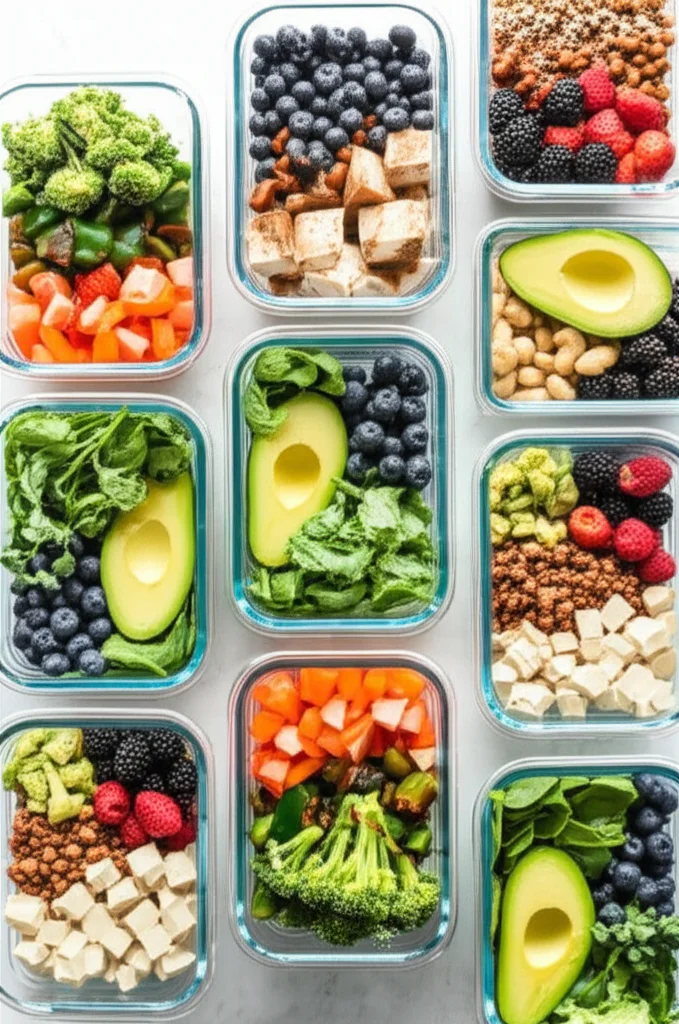
    • Wash & Chop All Veggies: Get all your non-starchy vegetables washed, chopped, and ready to go. Store them in airtight containers. This saves immense time during the week.
    • Roast Large Batches: Roast a big tray of broccoli, cauliflower, Brussels sprouts, and bell peppers. These can be added to salads, bowls, or as sides for dinners.
    • Make Dressings/Sauces: Prepare a large batch of your favorite keto paleo plant-based dressing (e.g., lemon-tahini, avocado-lime).
    • Prepare “Staples”:
      • Make a big batch of “cauliflower rice” or “mashed cauliflower.”
      • Whip up a large container of chia seed pudding for quick breakfasts.
      • Portion out nuts and seeds for snacks.
    • Blend Smoothies in Advance (Partially): Pre-portion smoothie ingredients (spinach, seeds, protein powder) into freezer bags. Just add liquid and avocado when ready to blend.
  4. Storage is Key:

    • Invest in good quality airtight containers (glass is preferred).
    • Label everything with the date.
    • Most cooked components will last 3-5 days in the fridge.

Personal Story: Chef Leo, our resident organization guru, once told me, “My life changed when I started treating my kitchen like a professional one on Sundays. Mise en place, baby! Everything in its place, ready to go. It takes the stress out of healthy eating.”

By dedicating a few hours to planning and prep, you’ll set yourself up for a week of effortless, delicious, and compliant eating. No more scrambling, no more compromises!

5. Deliciously Doable: Plant-Based Keto Paleo Recipe Ideas to Inspire Your Culinary Adventures

Video: Deconstructing Keto and Paleo Diets by Brenda Davis, R.D.

Now for the fun part: the food itself! We’ve laid out the principles, the food lists, and the strategies. But what does it taste like? Spoiler alert: amazing! As healthy chefs, we believe that healthy eating should never be boring or bland. This section is designed to spark your culinary creativity and show you just how vibrant and satisfying plant-based keto paleo meals can be.

Remember, these are ideas to get you started. Feel free to experiment with herbs, spices, and different low-carb veggies to make them your own!

☀️ Breakfast Bonanza: Start Your Day the Right Way

Forget toast and cereal! These breakfasts are packed with healthy fats and protein to keep you energized and focused.

  • 1. Creamy Avocado & Spinach Smoothie:
    • Ingredients: 1/2 avocado, 1 cup spinach, 1 tbsp chia seeds, 1 tbsp hemp seeds, 1 scoop Orgain Organic Plant-Based Protein Powder (vanilla or unflavored) Shop Orgain Organic Plant-Based Protein Powder on: Amazon | Orgain Official Website, 1 cup unsweetened almond milk, a few drops of liquid stevia (optional).
    • Method: Blend until smooth and creamy.
    • Why we love it: Quick, nutrient-dense, and incredibly satisfying. A perfect way to kickstart ketosis.
  • 2. Keto Chia Seed Pudding with Berries & Nuts:
    • Ingredients: 1/4 cup chia seeds, 1 cup unsweetened coconut milk (canned, full-fat), 1/2 tsp vanilla extract, liquid stevia to taste. Top with a small handful of raspberries or blackberries and chopped pecans.
    • Method: Whisk all ingredients (except toppings) in a jar, refrigerate overnight. Top before serving.
    • Why we love it: Great for meal prep, rich in omega-3s and fiber.
  • 3. Savory “No-Oatmeal” with SautĂ©ed Mushrooms:
    • Ingredients: 1/4 cup hemp hearts, 2 tbsp ground flax seeds, 1/2 cup unsweetened almond milk, pinch of salt. SautĂ©ed mushrooms and spinach in coconut oil, nutritional yeast.
    • Method: Combine hemp hearts, flax, almond milk, and salt in a small pot, simmer gently for 2-3 minutes until thickened. Top with sautĂ©ed veggies and nutritional yeast.
    • Why we love it: A warm, savory alternative to traditional oatmeal, packed with protein and healthy fats.

🥗 Lunchtime Legends: Midday Meals That Satisfy

Keep your energy stable throughout the afternoon with these delicious and easy-to-prepare lunches.

  • 1. Giant Green Salad with Avocado & Seed Mix:
    • Ingredients: Large bed of mixed greens (romaine, kale, arugula), sliced cucumber, bell peppers, radishes, 1/2 avocado, 2 tbsp mixed seeds (pumpkin, sunflower, hemp), a generous drizzle of olive oil and lemon juice, salt, and pepper.
    • Method: Assemble and enjoy!
    • Why we love it: Simple, fresh, and customizable. The healthy fats keep you full.
  • 2. Cauliflower “Rice” Stir-Fry with Veggies & Almond Butter Sauce:
    • Ingredients: Riced cauliflower, broccoli florets, sliced mushrooms, bell peppers, zucchini. Sauce: almond butter, tamari (gluten-free, soy-free option like Bragg Liquid Aminos Shop Bragg Liquid Aminos on: Amazon | Bragg Official Website, ginger, garlic, a splash of water, liquid stevia (optional).
    • Method: SautĂ© veggies until tender-crisp. Add riced cauliflower and cook for a few more minutes. Whisk sauce ingredients and toss with veggies.
    • Why we love it: A flavorful, low-carb take on a classic, perfect for using up leftover veggies.
  • 3. Avocado “Boats” with Seed & Veggie Filling:
    • Ingredients: 1 large avocado, halved and pitted. Filling: chopped cucumber, bell pepper, red onion, mixed with hemp seeds, a squeeze of lime juice, olive oil, salt, and pepper.
    • Method: Scoop out a little avocado flesh (add to filling or save for later), mix with filling ingredients, and spoon back into avocado halves.
    • Why we love it: Visually appealing, easy to make, and packed with healthy fats.

🍽️ Dinner Delights: Evening Feasts for the Whole Family

These dinner recipes prove that plant-based keto paleo can be incredibly satisfying and delicious, even for those not strictly following the diet.

  • 1. Creamy Coconut Curry with Zucchini Noodles:
    • Ingredients: Full-fat coconut milk, curry paste (check ingredients for paleo/keto compliance), mixed low-carb veggies (broccoli, bell peppers, mushrooms, spinach), spiralized zucchini noodles.
    • Method: SautĂ© veggies, add curry paste, then coconut milk and simmer. Serve over zucchini noodles.
    • Why we love it: Rich, flavorful, and comforting. The zucchini noodles are a fantastic grain-free alternative.
  • 2. “Meatless” Mushroom & Walnut Lettuce Wraps:
    • Ingredients: Finely chopped mushrooms and walnuts, sautĂ©ed with garlic, onion, tamari, and spices (cumin, chili powder). Serve in large lettuce cups with avocado slices and a squeeze of lime.
    • Method: SautĂ© mushrooms and walnuts until browned and crumbly. Season well. Serve in lettuce cups.
    • Why we love it: A fun, interactive meal that’s light yet satisfying.
  • 3. Roasted Cauliflower Steaks with Pesto & Toasted Seeds:
    • Ingredients: Thick slices of cauliflower, olive oil, salt, pepper. Vegan pesto (made with basil, pine nuts (or pumpkin seeds), olive oil, garlic, nutritional yeast). Toasted pumpkin seeds.
    • Method: Roast cauliflower steaks until tender and slightly caramelized. Top with pesto and toasted seeds.
    • Why we love it: Elegant, flavorful, and a great way to make cauliflower the star of the show.

🍎 Snack Sensations: Guilt-Free Bites Between Meals

Keep hunger at bay with these quick and easy plant-based keto paleo snacks.

  • 1. Olives: A simple, salty, fat-filled snack.
  • 2. Celery Sticks with Almond Butter: Classic, satisfying, and crunchy.
  • 3. Small Handful of Macadamia Nuts: High in healthy fats, low in carbs.
  • 4. Cucumber Slices with “Everything Bagel” Seasoning: Refreshing and flavorful.
  • 5. Coconut Butter Fat Bombs: Blend coconut butter with a little MCT oil, cocoa powder, and liquid stevia. Chill until firm.

These ideas are just the beginning! The world of plant-based keto paleo is vast and full of delicious possibilities. Don’t be afraid to experiment and find your new favorite dishes.

6. Navigating Challenges & Common Pitfalls (and How to Conquer Them Like a Pro!)

Video: Keto Diet VS Plant-Based Diet (MUST WATCH!).

Let’s be real: embarking on a dietary journey that combines three distinct philosophies isn’t always a walk in the park. There will be moments of doubt, cravings, and perhaps even a little confusion. But that’s where we, your expert team at Keto Paleo Recipes™, come in! We’ve seen it all, experienced it ourselves, and developed strategies to help you conquer these challenges like a seasoned pro.

🤔 The “Not Enough Protein” Myth: Busting Vegan Keto Paleo Misconceptions

This is, hands down, the most common concern we hear. “But where will I get my protein without meat, eggs, or legumes?” It’s a valid question, especially since traditional vegan diets often rely heavily on beans, lentils, and soy, which are excluded from our plant-based keto paleo approach.

The Truth: You absolutely can get enough protein. It just requires a more intentional focus on specific plant sources.

  • The Misconception: That plant proteins are “incomplete” or inferior.
  • The Reality: While individual plant foods might be lower in one or two essential amino acids, by eating a variety of plant proteins throughout the day, you easily get all the amino acids your body needs. Your body is smart; it pools amino acids.
  • Our Strategy:
    • Prioritize Hemp Seeds: As discussed, hemp hearts are a complete protein and incredibly versatile. Sprinkle them on everything!
    • Embrace Chia & Flax Seeds: Excellent sources of protein and healthy fats.
    • Utilize Spirulina & Chlorella: These algae are protein powerhouses.
    • Don’t Forget Veggies: Broccoli, spinach, and mushrooms contribute small but significant amounts of protein that add up.
    • Consider Vegan Protein Powder: A high-quality, low-carb, paleo-friendly vegan protein powder (like Garden of Life Raw Organic Protein Powder or Orgain Organic Plant-Based Protein Powder) can be a fantastic way to boost your protein intake, especially in smoothies.
    • Track Your Intake (Initially): For the first few weeks, use an app like Cronometer to track your macros and ensure you’re consistently hitting your protein targets (15-25% of calories). This builds confidence and understanding.

Personal Story: Trainer Ben, a former bodybuilder, was skeptical about maintaining muscle mass on this diet. He meticulously tracked his protein and found that by strategically incorporating hemp, chia, and a good protein powder, he not only maintained but even saw improvements in his body composition. “It’s not about more protein, it’s about smart protein,” he often says.

⚠️ Avoiding Nutrient Deficiencies: Proactive Strategies

We’ve already highlighted key micronutrients to watch, but let’s reiterate the proactive steps to ensure you’re getting everything your body needs.

  • 1. Embrace Variety: Don’t get stuck eating the same three vegetables. Rotate your greens, try different nuts and seeds, and explore various low-carb plant options. A diverse diet ensures a broader spectrum of nutrients.
  • 2. Smart Supplementation: As detailed in Section 3, B12, D3, and algae-based Omega-3s are critical. Magnesium and electrolytes are also highly recommended. Think of them as your nutritional insurance policy.
  • 3. Focus on Nutrient Density: Every food choice should be a nutrient powerhouse. Choose dark leafy greens over iceberg lettuce, macadamia nuts over peanuts (which are legumes anyway!).
  • 4. Get Regular Blood Tests: This is perhaps the most important tip! Work with a functional medicine doctor or a knowledgeable healthcare provider to monitor your vitamin D, B12, iron, zinc, and other key markers. This allows for personalized adjustments.
  • 5. Optimize Absorption:
    • Pair Vitamin C with Iron: Squeeze lemon juice over your spinach salad.
    • Soak/Sprout Nuts & Seeds (where applicable): This can reduce anti-nutrients and improve digestibility, though many compliant nuts/seeds are fine as is.
    • Eat Healthy Fats with Fat-Soluble Vitamins: Always include healthy fats with your meals to aid absorption of vitamins A, D, E, and K.

🥳 Social Situations & Dining Out: Staying on Track Without Missing Out

This is where many diets falter. Holidays, dinner parties, restaurant outings – they can feel like minefields. But with a little planning and confidence, you can navigate them gracefully.

  • 1. Communicate in Advance:
    • For Dinner Parties: Offer to bring a dish! “I’d love to bring a delicious plant-based keto paleo side dish that everyone can enjoy!” This takes pressure off the host and ensures you have a safe option.
    • For Restaurants: Look up the menu online beforehand. Call ahead if necessary to ask about modifications. Many restaurants are surprisingly accommodating.
  • 2. Choose Wisely:
    • Salads: Always a safe bet. Ask for extra greens, avocado, nuts/seeds. Request oil and vinegar on the side.
    • Roasted Vegetables: Often available. Ask if they can be cooked in olive or coconut oil, not seed oils.
    • “Deconstructed” Meals: Ask for a protein source (like mushrooms or a veggie patty if compliant) with a side of steamed or roasted non-starchy vegetables, and avocado.
  • 3. Be Prepared (Snacks!): Always carry a small bag of macadamia nuts, a mini avocado, or some olives. If options are scarce, you won’t be left starving and tempted.
  • 4. Focus on the Company, Not Just the Food: Remember why you’re there – to connect with friends and family. The food is just one part of the experience.
  • 5. Don’t Be Afraid to Say No (Politly): “No, thank you, I’m not having any grains/dairy/sugar right now, but this looks wonderful!” Most people will respect your choices.

Anecdote: My client, Maria, was terrified of her family’s annual pizza night. She brought a huge “keto paleo plant-based pizza bowl” with a cauliflower rice base, tons of veggies, and a creamy cashew-free “cheese” sauce. Everyone tried it, and she felt empowered, not deprived!

Navigating challenges is part of the journey. With preparation, knowledge, and a positive mindset, you’ll find that this lifestyle is not only sustainable but incredibly rewarding.

🧠 Expert Insights: Dr. Mark Hyman’s Wisdom and Beyond for Optimal Metabolic Health

Video: The Change From Keto Diet To Paleo Diet | What I Eat Now.

When we talk about combining dietary principles for optimal health, it’s impossible not to mention the pioneering work of Dr. Mark Hyman. His “Pegan Diet” (a blend of Paleo and Vegan) offers a powerful framework that resonates deeply with our plant-based keto paleo philosophy. While his approach isn’t strictly ketogenic, the underlying principles of anti-inflammatory, whole-foods eating are incredibly relevant.

Dr. Hyman emphasizes that the true difference between vegan and paleo isn’t as vast as it seems, especially when focusing on quality. “The only real difference… is whether you eat animal products versus beans and grains.” Source: Dr. Mark Hyman’s Facebook Post. Both diets, at their best, champion wholesome, unprocessed plant foods. Our plant-based keto paleo approach takes this common ground and adds the metabolic benefits of ketosis, while strictly adhering to the “no animal products, no beans/grains” rule.

Key Principles from Dr. Hyman’s Pegan Diet that inform our approach:

  • Focus on Whole, Unprocessed Plant Foods: This is the bedrock. Dr. Hyman advocates for a diet that is 75% plant-based, emphasizing a diverse array of colorful vegetables and fruits. Our plant-based keto paleo takes this even further by making it 100% plant-based and carefully selecting low-carb fruits.
  • Food as Medicine: This philosophy is central to functional medicine. The idea is to tailor your diet to your individual needs, using food to address inflammation, balance blood sugar, and support gut health. This aligns perfectly with our personalized approach to plant-based keto paleo.
  • Anti-Inflammatory & Detox Principles: By eliminating common allergens and inflammatory foods (dairy, gluten, processed sugars, industrial seed oils), both Pegan and our diet aim to reduce systemic inflammation, which is a root cause of many chronic diseases.
  • Sustainable Lifestyle: Dr. Hyman views the Pegan diet as a long-term food philosophy, not a quick fix. “The Pegan Diet is a lifestyle; it’s a food philosophy, not a diet.” This resonates with our belief that plant-based keto paleo is about creating lasting, vibrant health.

Where we diverge (and why):

While Dr. Hyman’s Pegan diet includes some animal products (grass-fed, sustainably raised) and allows for some higher-carb fruits and even small amounts of gluten-free grains for some individuals, our plant-based keto paleo approach is stricter:

  • 100% Plant-Based: No animal products whatsoever. This is a non-negotiable for ethical and environmental reasons for many of our clients.
  • Strictly Ketogenic: We maintain a very low-carb intake to ensure ketosis, which offers unique metabolic benefits like enhanced fat burning and stable energy that aren’t necessarily the primary focus of a general Pegan diet.
  • No Grains or Legumes: We adhere to the stricter paleo exclusion of these food groups, even if they are gluten-free, due to their carb content and potential anti-nutrients.

The Synthesis:

Our plant-based keto paleo diet can be seen as an evolution of the Pegan philosophy, taking its core principles of whole, anti-inflammatory plant foods and layering on the metabolic advantages of ketosis, while maintaining a strict plant-based and paleo-compliant framework. It’s about taking the best of ancestral wisdom, the power of plants, and the science of ketosis to create an incredibly potent and personalized path to optimal health.

Dr. Hyman’s personal success and that of his patients with the Pegan diet, as he states, “This diet has not only drastically changed many of my patients’ lives by leading them to vibrant health, but it’s done the same for my own as well,” provides powerful anecdotal evidence for the efficacy of a diet rooted in these combined principles. We’ve seen similar transformations with our plant-based keto paleo clients, proving that this “triple threat” approach truly delivers.

Gut-Brain Connection: How Plant-Based Keto Paleo Supports Holistic Wellness

Have you ever noticed how a “gut feeling” can guide your decisions, or how stress can tie your stomach in knots? That’s no coincidence! The intricate link between your gut and your brain, often called the gut-brain axis, is a hot topic in health science, and for good reason. A healthy gut doesn’t just mean good digestion; it’s foundational for mental clarity, mood stability, and overall holistic wellness. And guess what? Our plant-based keto paleo approach is a superstar for nurturing this vital connection!

From our perspective as healthy chefs and personal trainers, we’ve seen firsthand how optimizing gut health can profoundly impact everything from energy levels to emotional resilience.

Here’s how Plant-Based Keto Paleo nurtures your gut-brain axis:

  1. Elimination of Inflammatory Triggers:

    • No Grains & Legumes (Paleo Principle): Many people find that grains and legumes, even whole ones, can cause digestive distress due to lectins and phytates. By removing them, we reduce potential gut irritants.
    • No Dairy (Paleo & Plant-Based Principle): Dairy is a common allergen and inflammatory food for many, contributing to gut issues.
    • No Processed Foods & Refined Sugars (All Three Principles): These are notorious for feeding harmful gut bacteria and promoting inflammation throughout the body, including the gut lining.
    • The Benefit: By removing these common culprits, you create an environment where your gut can heal and flourish, reducing systemic inflammation that can impact brain function.
  2. Rich in Prebiotic Fiber (from Non-Starchy Veggies):

    • While we’re low-carb, we’re incredibly rich in fiber from a diverse array of non-starchy vegetables like broccoli, cauliflower, leafy greens, and asparagus.
    • Prebiotics are non-digestible fibers that feed the beneficial bacteria in your gut. A thriving microbiome produces beneficial compounds, including short-chain fatty acids (SCFAs) like butyrate, which nourish gut cells and have systemic anti-inflammatory effects, even reaching the brain.
    • The Benefit: A diverse and healthy gut microbiome is linked to improved mood, reduced anxiety, and enhanced cognitive function.
  3. Abundance of Healthy Fats:

    • Healthy fats from avocados, coconut, nuts, and seeds are crucial for brain health. The brain is largely made of fat!
    • Omega-3s (from algae, chia, flax, hemp): These powerful anti-inflammatory fats are essential for neuronal health and communication, directly impacting mood and cognitive function.
    • MCTs (from coconut oil): Medium-chain triglycerides can be quickly converted into ketones, which provide a clean, stable fuel source for the brain, often leading to improved mental clarity and focus.
    • The Benefit: Stable brain fuel and reduced neuroinflammation contribute to better mood, focus, and protection against neurodegenerative diseases.
  4. Stable Blood Sugar for Brain Health:

    • The ketogenic aspect of this diet keeps blood sugar levels incredibly stable.
    • The Benefit: Avoiding blood sugar spikes and crashes means no more “brain fog,” irritability, or energy slumps. This provides a consistent, calm environment for optimal brain function.
  5. Focus on Nutrient Density:

    • Every food choice is packed with vitamins, minerals, and phytonutrients that support cellular health, including those in the gut and brain.
    • The Benefit: Adequate micronutrients are essential for neurotransmitter production, nerve signaling, and protecting against oxidative stress.

My colleague, Chef Anya, once shared her experience: “Before going plant-based keto paleo, I struggled with ‘hangry’ moments and brain fog. Now, my mood is so much more even, and my thoughts feel clearer. It’s like my gut and brain are finally having a peaceful conversation!”

By prioritizing gut health through clean, anti-inflammatory, and nutrient-dense plant foods, while leveraging the metabolic benefits of ketosis, you’re not just improving your physical health; you’re fostering a profound sense of holistic well-being that starts deep within your core.

🌎 Sustainable Living: Making Eco-Friendly Choices in Your Plant-Based Diet

At Keto Paleo Recipes™, we believe that true wellness extends beyond our individual plates to the health of our planet. The beauty of a plant-based keto paleo approach is its inherent alignment with sustainable living. By choosing to eat this way, you’re not just investing in your own health; you’re making a powerful statement for environmental stewardship.

While any diet can be made more or less sustainable, a plant-based diet inherently has a lower environmental footprint than one heavily reliant on animal agriculture. When you combine this with the whole-foods, unprocessed focus of paleo and keto, you amplify the positive impact.

Here’s how your Plant-Based Keto Paleo journey contributes to a healthier planet, and how you can make even more eco-friendly choices:

  1. Reduced Carbon Footprint:

    • Fact: Livestock farming is a significant contributor to greenhouse gas emissions, deforestation, and water pollution Source: United Nations Food and Agriculture Organization (FAO).
    • Your Impact: By eliminating animal products, you drastically reduce your personal carbon footprint. This is one of the most impactful individual actions you can take for the environment.
    • Go Further: Focus on locally sourced produce when possible to reduce “food miles” (the distance food travels from farm to plate).
  2. Water Conservation:

    • Fact: Producing animal products, especially beef, requires vast amounts of water for feed crops, drinking water, and processing.
    • Your Impact: Plant-based foods generally require significantly less water to produce.
    • Go Further: Support organic farming practices, which often prioritize water conservation and soil health.
  3. Support for Biodiversity & Land Use:

    • Fact: Deforestation for grazing land and feed crop cultivation is a major driver of habitat loss and species extinction.
    • Your Impact: A plant-based diet reduces the demand for land-intensive animal agriculture, freeing up land for reforestation and biodiversity.
    • Go Further: Choose products from brands committed to sustainable sourcing and ethical labor practices. Look for certifications like “Rainforest Alliance Certified” or “Fair Trade.”
  4. Minimizing Waste & Packaging:

    • Your Impact: A whole-foods, unprocessed diet naturally leads to less packaging waste compared to a diet heavy in convenience foods.
    • Go Further:
      • 👉 Shop in Bulk: Buy nuts, seeds, and dried herbs/spices from bulk bins using reusable bags or containers.
      • Choose Reusable: Bring your own reusable shopping bags, produce bags, and coffee cups.
      • Compost: Compost your fruit and vegetable scraps to return nutrients to the soil and reduce landfill waste.
      • Reduce Food Waste: Plan your meals carefully (as discussed in Section 4!) to minimize spoilage. Get creative with leftovers!
  5. Conscious Consumption of Plant-Based Staples:

    • While plant-based is generally better, some ingredients have their own environmental considerations.
    • Avocados: While healthy, they can be water-intensive in certain regions. Consider where they come from.
    • Coconut Products: Ensure they are sustainably sourced. Look for brands that prioritize fair labor and environmental practices.
    • Nuts: Almonds, for example, require significant water. Diversify your nut and seed intake to spread the demand.
    • Go Further: Research the brands you buy from. Many companies are transparent about their sustainability efforts. For example, Thrive Market is a great online retailer that focuses on sustainable, organic, and non-GMO products, often with reduced packaging. Shop Thrive Market on: Thrive Market Official Website

By consciously integrating these eco-friendly choices into your plant-based keto paleo lifestyle, you become an even more powerful force for positive change. It’s a beautiful cycle: what’s good for you is often good for the planet, and vice-versa.

🛠️ Our Favorite Tools & Resources for Your Plant-Based Keto Paleo Journey

You’ve got the knowledge, the motivation, and the delicious recipes. Now, let’s talk about the practical side! Having the right tools and resources can make all the difference in making your plant-based keto paleo journey smooth, enjoyable, and sustainable. Think of these as your trusty sidekicks in the kitchen and beyond.

As healthy chefs, we’ve tested countless gadgets, and as personal trainers, we’ve explored numerous apps and guides. Here are our top picks that truly enhance the experience:

Kitchen Essentials: Your Culinary Command Center

  1. High-Powered Blender: A non-negotiable for smoothies, creamy sauces, nut milks, and even some “cheeses.”
  2. Food Processor: Essential for making cauliflower rice, nut butters, pestos, and chopping large quantities of vegetables quickly.
  3. Spiralizer: For making zucchini noodles, cucumber ribbons, and other veggie “pastas.”
  4. High-Quality Knives & Cutting Boards: Good knives make prep work a joy, not a chore.
  5. Airtight Food Storage Containers: Crucial for meal prep and keeping food fresh. Glass is preferred.

Digital Tools & Apps: Your Smart Assistants

  1. Macro Tracking App: Essential for understanding your intake, especially when starting out.
    • Our Pick: Cronometer. Excellent for detailed micronutrient tracking, which is vital for plant-based diets.
    • Alternative: MyFitnessPal. More user-friendly for beginners, though micronutrient data can be less precise.
  2. Recipe Apps/Websites: For endless inspiration.
    • Our Pick: Of course, Keto Paleo Recipes™ (you’re already here!) for our curated Keto-Paleo Recipes and Keto-Paleo Diet Plans.
    • Other Great Resources: Minimalist Baker (many vegan recipes, some can be adapted), ruled.me (keto focus, some plant-based options).
  3. Meditation/Mindfulness Apps: For holistic wellness and stress reduction.
    • Our Pick: Calm or Headspace. A healthy mind supports a healthy body.

Books & Educational Resources: Deepening Your Knowledge

  1. “The Pegan Diet” by Dr. Mark Hyman: While not strictly keto, it provides an excellent foundation for combining paleo and plant-based principles, and understanding the “why” behind anti-inflammatory eating. Shop The Pegan Diet on: Amazon | Walmart
  2. “Keto-Green 16” by Dr. Anna Cabeca: Focuses on a more alkaline, plant-heavy approach to keto. Shop Keto-Green 16 on: Amazon
  3. Reliable Health Websites: Beyond Keto Paleo Recipes™, always cross-reference information with reputable sources like the Mayo Clinic, Harvard Health, and peer-reviewed scientific journals.

Equipping yourself with these tools and resources will not only make your plant-based keto paleo journey easier but also more enjoyable and empowering. Happy cooking, happy living!


✨ Conclusion: Thriving on the Plant-Based Keto Paleo Path

green vegetable on black plate

So, there you have it — a comprehensive roadmap to combining keto and paleo principles in plant-based meals, crafted with love and expertise by the healthy chefs and personal trainers at Keto Paleo Recipes™. While it might have seemed like juggling flaming torches at first, this triple-threat approach is truly a harmonious symphony of ancestral wisdom, metabolic science, and plant-powered nutrition.

By focusing on whole, unprocessed plant foods, healthy fats, and carefully selected plant proteins, you can enjoy the best of all worlds: the fat-burning benefits of keto, the anti-inflammatory and evolutionary insights of paleo, and the ethical and environmental advantages of a plant-based lifestyle. The challenges — like protein concerns or micronutrient gaps — are very real but entirely manageable with the right knowledge, planning, and supplementation.

Remember the question we teased earlier: “Can you really get enough protein without meat, dairy, or legumes?” The answer is a resounding YES! Hemp seeds, chia, spirulina, and smart use of vegan protein powders make it not only possible but delicious and satisfying.

We hope this article has inspired you to experiment boldly in the kitchen, plan smartly, and embrace this vibrant lifestyle with confidence. Whether you’re here for weight loss, better energy, gut health, or planetary stewardship, the plant-based keto paleo path offers a sustainable, nourishing, and exciting way forward.

Ready to dive in? Your taste buds, body, and soul will thank you. And remember, we’re here every step of the way at Keto Paleo Recipes™ to support your journey!


👉 Shop Featured Products & Resources:


❓ FAQ: Your Burning Plant-Based Keto Paleo Questions Answered

a bunch of celery sitting on top of a table

What are common mistakes to avoid when combining keto and paleo principles in plant-based meals?

Answer:
A few pitfalls can trip you up:

  • Over-restricting fats or protein: Some think keto means unlimited fat but neglect protein, or vice versa. Balance is key.
  • Ignoring micronutrients: Without animal products and legumes, deficiencies in B12, iron, and zinc can develop. Supplement wisely.
  • Eating too many “keto-friendly” processed foods: Just because something is low-carb doesn’t mean it’s healthy (think: artificial sweeteners, processed meat substitutes).
  • Not tracking carbs initially: It’s easy to accidentally exceed carb limits with nuts, seeds, or certain veggies. Use apps like Cronometer.
  • Neglecting hydration and electrolytes: Keto adaptation can cause electrolyte loss leading to “keto flu.” Drink water and supplement sodium, magnesium, potassium.

How can I get enough protein on a combined keto and paleo plant-based diet?

Answer:
Protein sources are more limited but definitely available:

  • Hemp seeds and hearts: Complete protein and rich in healthy fats.
  • Chia and flax seeds: High in protein and fiber; ground flax improves absorption.
  • Spirulina and chlorella: Algae-based complete proteins.
  • Pumpkin seeds and nuts: Moderate protein and excellent fats.
  • Vegan protein powders: Look for low-carb, paleo-friendly options like Garden of Life Raw Organic Protein.
  • Non-starchy veggies: Broccoli, spinach, and mushrooms add small but meaningful protein amounts.

Combine these throughout the day for a complete amino acid profile.

What are some easy plant-based keto paleo recipes for beginners?

Answer:
Start simple with:

  • Keto green smoothies with spinach, avocado, hemp seeds, and vegan protein powder.
  • Chia seed pudding made with coconut milk and topped with berries.
  • Cauliflower rice stir-fry with low-carb veggies and almond butter sauce.
  • Avocado boats filled with chopped veggies and seeds.
  • Roasted cauliflower steaks with vegan pesto.

These recipes are quick, nutritious, and beginner-friendly.

How do you balance macronutrients in a plant-based keto paleo diet?

Answer:
Aim for approximately:

  • 70-80% healthy fats (avocado, coconut oil, nuts, seeds)
  • 15-25% protein (hemp seeds, spirulina, vegan protein powders)
  • 5-10% net carbs (non-starchy veggies, limited berries)

Use tracking apps initially to fine-tune your intake and adjust based on energy, satiety, and goals.

What are the best plant-based fats for a keto paleo meal plan?

Answer:
Top plant-based fats include:

  • Avocados
  • Coconut oil and MCT oil
  • Extra virgin olive oil
  • Macadamia nuts, pecans, walnuts
  • Nut and seed butters (almond, macadamia, sunflower)
  • Cacao butter

These fats provide satiety, energy, and support fat-soluble vitamin absorption.

Can you follow a plant-based keto paleo diet without eating animal products?

Answer:
Absolutely! The plant-based keto paleo diet excludes all animal products, focusing instead on nutrient-dense plant fats, proteins, and low-carb vegetables. It requires careful planning to meet protein and micronutrient needs but is entirely feasible and sustainable.

What are the key differences between keto and paleo diets for plant-based eaters?

Answer:

  • Keto focuses on macronutrient ratios to induce ketosis, emphasizing very low carbs and high fats.
  • Paleo emphasizes whole, unprocessed foods based on ancestral eating patterns, excluding grains, legumes, and dairy but not necessarily low-carb or ketogenic.
  • For plant-based eaters, keto restricts carbs more strictly, while paleo excludes legumes and grains but may allow more carbs from fruits and tubers (which keto limits). Combining both requires balancing carb restriction with paleo food exclusions.

Can you eat nuts and seeds on a combined keto and paleo plant-based meal plan?

Answer:
✅ Yes! Nuts and seeds are essential staples providing healthy fats, protein, and fiber. Just be mindful of carb content—macadamia nuts and pecans are lower in carbs, while cashews and pistachios are higher and should be limited. Seeds like chia, flax, hemp, and pumpkin are excellent additions.

What vegetables are allowed on a keto-paleo plant-based diet?

Answer:
Focus on non-starchy, low-carb vegetables such as:

  • Leafy greens (spinach, kale, arugula)
  • Cruciferous veggies (broccoli, cauliflower, Brussels sprouts)
  • Zucchini, cucumber, asparagus, mushrooms, bell peppers (green preferred), radishes, celery

Avoid starchy veggies like potatoes, sweet potatoes, corn, peas, and carrots in large quantities.

Are there any easy plant-based keto-paleo breakfast ideas?

Answer:
Yes! Some favorites include:

  • Keto green smoothies with hemp seeds and avocado
  • Chia seed pudding with coconut milk and berries
  • Savory “no-oatmeal” made from hemp hearts and flax seeds topped with sautĂ©ed mushrooms
  • Nut butter on celery sticks for a quick fat and protein boost

Check out our Keto-Paleo Breakfasts for more inspiration.


We hope this guide lights your way to vibrant health and joyful eating! For more recipes, meal plans, and expert tips, keep exploring Keto Paleo Recipes™. Happy eating and thriving! 🌿🥑🔥

Leave a Reply

Your email address will not be published. Required fields are marked *