Support our educational content for free when you buy through links on our site. Learn more
🔥 Keto Paleo

: Your Anti-Inflammation Blueprint
Absolutely, a keto paleo diet can
profoundly help with reducing inflammation and improving overall health! We’ve seen it time and again in our kitchens and with our clients at Keto Paleo Recipes™, where the synergistic power of these two ancestral eating styles creates a formidable defense against the silent fire
of chronic inflammation. Imagine waking up without that nagging joint stiffness, experiencing mental clarity you haven’t felt in years, or simply having more vibrant energy throughout your day – this isn’t just a dream, it’s the reality many
discover by embracing this powerful dietary approach.
For years, our co-founder, Chef Anya, struggled with persistent digestive issues and skin flare-ups that doctors attributed to “stress.” It wasn’t until she meticulously combined the principles of ketogenic
eating with a strict paleo framework that her symptoms dramatically receded. She realized her body was constantly battling an internal inflammatory response, fueled by foods she thought were “healthy.” Her personal transformation became the bedrock of our philosophy: food isn’t just fuel
; it’s medicine, and the right combination can unlock profound healing.
This isn’t just anecdotal; the science increasingly supports the anti-inflammatory mechanisms inherent in both diets. By eliminating common inflammatory triggers like refined sugars, grains,
and processed foods, and simultaneously harnessing the power of nutrient-dense whole foods and ketone bodies, you’re giving your body the ultimate toolkit to quell inflammation. Ready to discover how this potent combination can transform your well-being?
Key Takeaways
- Keto Paleo is a powerful anti-inflammatory strategy, combining the best of both worlds to reduce systemic inflammation and enhance overall health.
- Both Paleo’s emphasis on whole, unprocessed foods and Keto
‘s metabolic shift to ketone production actively combat inflammatory pathways. - Eliminating inflammatory culprits like grains, refined sugars, and unhealthy seed oils is central to the success of this approach.
- Nutrient density
from diverse vegetables, healthy fats, and quality proteins provides essential compounds to fight oxidative stress and support immune function. - Beyond diet, lifestyle factors like sleep, stress management, and exercise are crucial for amplifying anti-inflammatory benefits
.
Table of Contents
-
🕰️ Unearthing the Past: The Ancestral Roots of Anti-Inflammatory Eating
-
🔥 Understanding the Fire Within: What is Chronic Inflammation and Why Does it Matter?
-
🔍 The Silent Saboteur: Recognizing the Signs and Symptoms of Inflammation
-
🍎 Your Plate as Your Power: How Diet Becomes Your Anti-Inflammatory Ally
-
🥩 The Paleo Blueprint: A Return to Our Hunter-Gatherer Roots for Optimal Health
-
🥑 The Ketogenic Revolution: Tapping into Fat for Fuel and Healing
-
🔬 Ketosis and Calm: How a Keto Diet Can Quell Inflammatory Responses
-
⚠️ Keto Caveats: Navigating Potential Pitfalls for Inflammation
-
🤝 The Best of Both Worlds: Unpacking the Keto-Paleo Hybrid Approach
-
🍽️ Crafting Your Plate: A Keto-Paleo Anti-Inflammatory Food List
-
⚖️ Beyond the Scale: Real-World Results for Inflammation, Weight Management, and Overall Well-being
-
💪 Personal Triumphs: Our Team’s Journey to Reduced Inflammation
-
📈 Tracking Your Progress: Metrics That Matter for Anti-Inflammatory Success
-
🧘 ♀️ Holistic Harmony: Lifestyle Factors Amplifying Your Anti-Inflammatory Diet
-
🏃 ♀️ Movement as Medicine: Exercise for Reducing Systemic Inflammation
-
🌍 Expanding Your Horizons: Keto-Paleo vs. Mediterranean and Whole30 Diets for Inflammation
-
🌊 The Mediterranean Way: A Heart-Healthy, Anti-Inflammatory Classic
-
🗓️ Whole30: A Reset for Your Body and Your Relationship with Food
-
🧐 Which Path to Purity? A Comparative Look at Anti-Inflammatory Efficacy
-
🛠️ Getting Started: Your Step-by-Step Guide to a Keto-Paleo Anti-Inflammatory Lifestyle
-
👩 🍳 Meal Prep Mastery: Delicious Recipes for Reduced Inflammation
-
💊 Supplement Savvy: When and What to Consider for Inflammation Support
-
🚧 Overcoming Obstacles: Troubleshooting Common Keto-Paleo Challenges
-
🎯 Conclusion: Igniting Your Anti-Inflammatory Journey with Keto-Paleo Power
-
❓ FAQ: Your Burning Questions About Keto-Paleo and Inflammation Answered
-
📚 Reference Links: Our Trusted Sources for Science-Backed Insights
⚡️ Quick Tips and Facts
Ever
felt like your body is staging a tiny, internal rebellion? Joint aches, brain fog, persistent fatigue – these aren’t just “getting older” woes; they could be the sneaky signs of chronic inflammation at play. Here at Keto Paleo Recipes
™, we’ve seen firsthand how transforming your diet can turn down that internal fire, and trust us, it’s a game-changer! If you’re curious about diving deeper into our philosophy, check out our comprehensive guide to Keto Paleo Recipes.
Here are some quick facts to get your anti-inflammatory journey started:
-
Inflammation isn’t always bad
! Acute inflammation is your body’s superhero, fighting off infections and healing injuries. It’s the chronic, low-grade inflammation that’s the villain, silently contributing to a host of modern ailments. -
Your plate is your most powerful weapon. What you eat can either fuel the inflammatory fire or extinguish it. Processed foods, refined sugars, and unhealthy fats are notorious instigators, while whole, nutrient-dense foods are your anti
-inflammatory allies. -
Both Paleo and Keto diets are inflammation-fighting powerhouses. While they tackle inflammation through different mechanisms, both significantly reduce the intake of common inflammatory culprits found in the Standard
American Diet. -
Ketones themselves have anti-inflammatory effects. This is a fascinating aspect of the ketogenic diet, offering a unique pathway to reducing systemic inflammation.
-
It’s not just about food. Sleep, stress management, and movement are crucial supporting actors in your anti-inflammatory quest. Neglect them, and even the cleanest diet might struggle.
-
Individual results vary.
What works wonders for one person might need tweaking for another. Listen to your body, track your progress, and don’t be afraid to experiment!
🕰️ Unearthing the Past: The Ancestral Roots of Anti-Inflammatory Eating
Let’s rewind the clock, shall we
? Imagine a time before drive-thrus, before sugary cereals, before “low-fat” everything. We’re talking about the era of our hunter-gatherer ancestors, whose diets were dictated by what they could forage, hunt, or
fish. This isn’t just a history lesson; it’s a crucial insight into why our modern diets often leave us feeling inflamed and unwell.
Our bodies, genetically speaking, haven’t evolved much since the Stone Age. Yet, our food
environment has undergone a radical transformation, particularly in the last century. The introduction of agriculture brought grains and legumes, and the industrial revolution unleashed a torrent of processed foods, refined sugars, and inflammatory seed oils. This stark contrast between our ancestral blueprint
and our contemporary plates is, in our expert opinion, a major driver of chronic inflammation.
The Paleo diet, in its essence, is an attempt to return to this ancestral way of eating. It posits that by consuming foods our bodies are
genetically programmed to thrive on, we can reduce the inflammatory burden that so many of us carry. It’s about ditching the modern dietary “innovations” that our systems haven’t quite figured out how to process without sounding the alarm bells
of inflammation. Think of it as giving your body the instruction manual it was designed to follow!
🔥 Understanding the Fire Within: What is Chronic Inflammation and Why Does it Matter?
Alright, let’s talk about the “fire” we keep mentioning. When you cut your finger or catch a cold, your body’
s immune system kicks into high gear, sending out inflammatory cells to heal the wound or fight off the infection. This is acute inflammation – a vital, short-term response that’s absolutely essential for survival. It’s like
the fire department rushing to put out a blaze.
But what happens when the fire department never leaves? When those inflammatory cells are constantly on patrol, even when there’s no immediate threat? That’s chronic inflammation, and it’s a
far more insidious beast. Unlike acute inflammation, which is usually localized and resolves quickly, chronic inflammation is a low-grade, persistent systemic response that can smolder for years, silently damaging your tissues and organs.
Why
does it matter? Because this persistent internal “fire” is now recognized as a root cause or significant contributor to nearly every major chronic disease plaguing our society today. We’re talking about conditions that impact millions, from the obvious to the surprisingly
subtle.
🔍 The Silent Saboteur: Recognizing the Signs and Symptoms of Inflammation
Chronic inflammation often works in the shadows, making it difficult to pinpoint. You might not feel a “burning” sensation, but your body could be sending you distress signals. Here are some common, often overlooked, signs and symptoms that your internal
fire might be raging:
| Symptom Category | Common Manifestations |
|---|---|
| Pain & Stiffness | Persistent joint pain (like arthritis), muscle aches, stiffness, especially in the morning. Dr |
| . Ken Berry, a family physician, shares his personal experience in our featured video, explaining how his severe knee pain and arthritis disappeared after adopting a low-carbohydrate diet, directly linking high insulin levels (hyperinsulinemia) from a | |
| high-carb diet to worsening arthritis and inflammation. [cite: #featured-video] | |
| Fatigue & Energy | Chronic fatigue, low energy levels, feeling constantly tired even after adequate sleep. |
| **Digestive | |
| Issues** | Bloating, gas, constipation, diarrhea, irritable bowel syndrome (IBS) symptoms, leaky gut. |
| Skin Problems | Acne, eczema, psoriasis, unexplained rashes. |
| **Brain Fog & | |
| Mood** | Difficulty concentrating, memory issues, anxiety, depression, mood swings. |
| Weight Gain | Stubborn belly fat, difficulty losing weight despite diet and exercise efforts. |
| Allergies & Sensitivities | |
| Increased seasonal allergies, new food sensitivities, asthma. | |
| Frequent Illness | Weakened immune system, getting sick often, slow recovery from illness. |
| Swelling | Persistent puffiness, fluid retention, especially in |
| extremities. |
If any of these sound familiar, it’s worth exploring how your diet and lifestyle might be contributing to this silent saboteur.
🍎 Your Plate as Your Power: How Diet Becomes Your Anti-Inflammatory Ally
The good news? You hold immense power in your hands – literally, with
every meal you prepare. Your plate isn’t just about sustenance; it’s a potent tool for either fueling or fighting inflammation. Anti-inflammatory foods are typically nutrient-dense, brimming with antioxidants, vitamins, minerals, and healthy fats that
actively work to reduce your body’s production of pro-inflammatory agents.
Think of it this way: certain foods act like tiny firefighters, dousing the flames of inflammation, while others are like gasoline, ign
iting them further. By consciously choosing the former, you can:
- Lower your chronic disease risk: This includes reducing the likelihood of cardiovascular disease, certain cancers, autoimmune conditions, and neurodegenerative diseases like Alzheimer’s and Parkinson
‘s. - Boost cognitive function: Say goodbye to brain fog and hello to sharper focus and improved memory.
Support healthy digestion: A calm gut is a happy gut, leading to better nutrient absorption and fewer digestive woes.
- Fortify your immune system: A balanced inflammatory response means your immune system can
focus on actual threats, not fighting itself.
So, what are these magical anti-inflammatory foods? We’re talking about the vibrant, wholesome ingredients that form the bedrock of both Paleo and Keto diets:
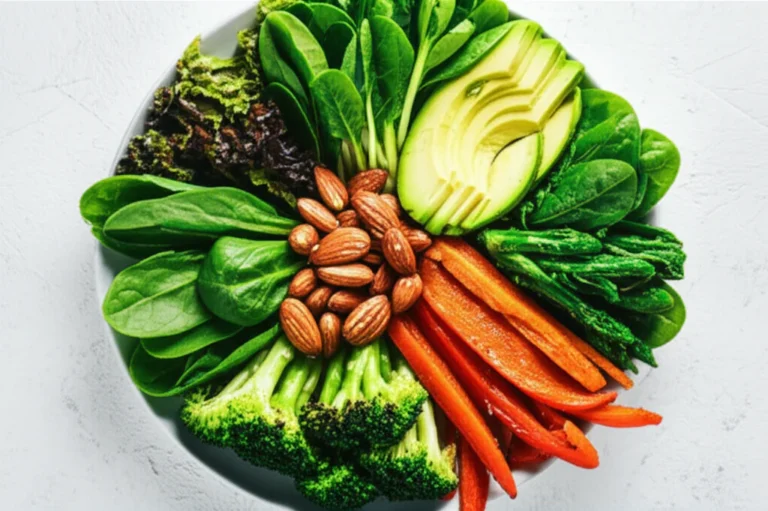
fatty fish rich in omega-3s, a rainbow of leafy greens and other non-starchy vegetables, antioxidant-packed berries, and healthy nuts and seeds. These are
the heroes of your anti-inflammatory plate!
🥩 The
Paleo Blueprint: A Return to Our Hunter-Gatherer Roots for Optimal Health
The Paleo diet, often dubbed the “caveman diet,” isn’t just a fad; it’s a nutritional philosophy rooted in the idea that our bodies are best
suited to eat what our ancestors consumed before the agricultural revolution. It’s about aligning our modern diets with our genetic heritage, focusing on whole, unprocessed foods that were available to hunter-gatherers.
At its core, Paleo emphasizes:
- Meat, fish, and poultry: Preferably grass-fed, wild-caught, and free-range, reflecting the lean, nutrient-dense protein sources our ancestors would have hunted
. - Vegetables and fruits: A wide variety, with an emphasis on non-starchy vegetables, providing essential vitamins, minerals, and antioxidants.
- Nuts and seeds: Healthy fats, fiber, and micron
utrients, but in moderation, as some can be high in omega-6s. - Healthy fats: Avocado oil, olive oil, coconut oil, and animal fats like tallow and lard.
What does Paleo exclude? The
“modern” foods that are believed to be at odds with our evolutionary biology:
- Grains: Wheat, corn, rice, oats, barley, etc.
- Legumes: Beans, lentils, peanuts, soy
. - Dairy: Milk, cheese, yogurt (though some variations allow grass-fed butter or ghee).
- Refined sugar and artificial sweeteners: Anything processed and stripped of its natural nutrients.
- Processed
foods and unhealthy oils: Vegetable oils like canola, soybean, and corn oil, and anything with artificial ingredients.
The philosophy here is simple: if our ancestors didn’t eat it, neither
should we. This approach, by its very nature, eliminates many of the common dietary triggers for inflammation.
✅
Paleo’s Anti-Inflammatory Arsenal: Why Whole Foods Win
So, how does this ancestral eating pattern become such a powerful anti-inflammatory tool? It’s all about what you remove and what you embrace.
1
. Ditching the Inflammatory Culprits: By excluding grains, legumes, dairy, refined sugars, and processed foods, Paleo automatically removes many common dietary triggers for inflammation. Grains and legumes, for instance, contain compounds like lectins
and phytates that can irritate the gut lining in sensitive individuals, potentially contributing to “leaky gut” and systemic inflammation. Dairy can also be a common allergen and inflammatory trigger for many.
2.
Embracing Nutrient Density: Paleo champions a high intake of fruits and vegetables, which are packed with antioxidants and phytochemicals that actively combat oxidative stress and inflammation. Think of vibrant berries, dark
leafy greens, and colorful bell peppers – each bite is a dose of anti-inflammatory goodness!
3. Balancing Omega Fatty Acids: A well-executed Paleo diet encourages a healthier balance of omega-3 to omega-6 fatty
acids. By avoiding excessive omega-6-rich seed oils and emphasizing omega-3-rich sources like wild-caught salmon and grass-fed meats, Paleo helps to shift the body’s inflammatory response towards a more balanced state.
Research supports Paleo’s anti-inflammatory potential. A randomized controlled study, for example, found that a Paleo diet lowered C-reactive protein (CRP) levels – a key biomarker for
inflammation – and improved insulin sensitivity in people with Type 2 diabetes. This is huge, as insulin resistance is often intertwined with chronic inflammation.
For those battling autoimmune conditions like rheumatoid arthritis,
Crohn’s disease, or multiple sclerosis, Paleo can be particularly useful because it systematically removes foods that can trigger inflammation in certain people. It’s a gentle yet powerful reset for your immune system. Plus
, many find Paleo more sustainable for long-term lifestyle changes due to its broader allowance of natural carbohydrates from fruits and vegetables compared to strict keto.
❌ The Paleo No-Go Zone: Foods That Fuel Inflammation
While Paleo is about abundance, it’s equally defined by what it leaves out. These
are the foods that, in our experience and based on scientific understanding, tend to stoke the inflammatory fires in many individuals. Here’s a quick rundown of the main culprits to sideline:
| Food Category | Why It’s a No- |
|---|---|
| Go on Paleo | |
| Grains | Contain anti-nutrients like lectins and phytates that can irritate the gut and impair nutrient absorption. Often lead to blood sugar spikes. |
| Legumes | Similar to grains, they contain lectins and phytic acid. |
| Dairy | Many people are sensitive to lactose (milk sugar) or casein (milk protein), leading to digestive distress |
| and inflammatory responses. | |
| Refined Sugar | A major driver of inflammation, contributing to insulin resistance, oxidative stress, and gut dysbiosis. |
| Processed Foods | Typically loaded with unhealthy fats, artificial ingredients |
| , and hidden sugars – a triple threat for inflammation. | |
| Vegetable/Seed Oils | High in omega-6 fatty acids, which in excess can promote inflammation. Examples: canola, soybean, corn, sunflower, safflower oils |
| . | |
| Artificial Sweeteners | Can negatively impact gut microbiome and potentially contribute to inflammation, despite being “sugar-free.” |
By consciously avoiding these items, you’re not just “dieting”; you’re actively removing
common inflammatory triggers and giving your body a chance to heal and thrive.
🥑 The Ketogenic Revolution
: Tapping into Fat for Fuel and Healing
Now, let’s shift gears to the Ketogenic diet, a nutritional approach that has taken the health world by storm. While Paleo focuses on what our ancestors ate, Keto is
all about how your body generates energy. It’s a high-fat, very-low-carbohydrate diet designed to fundamentally shift your metabolism.
The magic word
here is ketosis. When you drastically reduce your carbohydrate intake (typically to 50 grams or less per day, sometimes even 20-30 grams), your body, deprived of its usual glucose fuel, starts breaking down fat
for energy. This process produces molecules called ketone bodies (like beta-hydroxybutyrate, or BHB), which then become your body’s primary fuel source. It’s like
switching from gasoline to a super-efficient, clean-burning alternative fuel!
Typical macronutrient ranges for a ketogenic diet often look something like this:
- Carbohydrates: Approximately 5–10% of total daily
calories - Fat: Approximately 70–80% of total daily calories
- Protein: Approximately 20–30% of
total daily calories
This metabolic shift has profound implications for weight management, often leading to faster initial weight loss and reduced hunger compared to other diets. But its
benefits extend far beyond just shedding pounds, particularly when it comes to inflammation.
🔬 Ketosis and Calm: How a Keto Diet Can Quell Inflammatory Responses
This is where the ketogenic diet truly shines as an anti-inflammatory powerhouse. It’s not just about what you don’t eat (like inflammatory carbs); it’s also about the direct, therapeutic effects of those amazing ketone bodies.
- Direct Anti-Inflammatory Action of Ketones: This is a key differentiator. Research suggests that ketones themselves have anti
-inflammatory effects. Specifically, beta-hydroxybutyrate (BHB), the most abundant ketone body, has been shown to inhibit the NLRP3 inflammasome, a major component of the innate immune system that triggers
inflammatory responses. This means ketones aren’t just a fuel source; they’re active players in calming your body’s inflammatory pathways. - Blood Sugar and Insulin Regulation: As Dr. Ken Berry passionately explains in our featured video, a diet high in carbohydrates leads to blood sugar spikes, which in turn cause insulin spikes (hyperinsulinemia). This chronically elevated insulin is a significant driver of inflammation, particularly in conditions like arthritis. [cite: #featured-video] By drastically reducing carbs, keto keeps blood sugar and insulin levels stable, effectively removing this inflammatory trigger. As Dr. Berry puts it, “The most elegant way to reverse this is not to have surgery… It’s to
eat a lower carbohydrate diet.” [cite: #featured-video] This stable blood sugar control is especially relevant for diabetes and metabolic syndrome. - Reduced Oxidative
Stress: Ketosis can lead to a reduction in reactive oxygen species (ROS), which are byproducts of metabolism that can cause oxidative stress and contribute to inflammation. - Gut Health Benefits: While often associated with fat, a well-
formulated ketogenic diet, rich in non-starchy vegetables, can support a healthy gut microbiome, which is intrinsically linked to systemic inflammation.
These mechanisms contribute to keto’s association with benefits for a range of inflammation-related conditions,
including Parkinson’s disease, epilepsy, diabetes, and Alzheimer’s disease. Studies have even reported that keto reduced inflammation and improved cognitive performance in Parkinson’s disease patients. For those seeking faster initial weight loss and a powerful tool for appetite regulation, keto can be incredibly effective.
⚠️ Keto Caveats: Navigating Potential Pitfalls for Inflammation
While the ketogenic diet offers remarkable anti-inflammatory benefits, it’s not without its considerations
. As expert chefs and trainers, we believe in a balanced perspective. Here are a few “caveats” to keep in mind:
- Food Quality Matters Immensely: Just because a food is low-carb doesn’
t mean it’s anti-inflammatory. A “dirty keto” approach, relying on highly processed meats, artificial sweeteners, and unhealthy fats, can actually increase inflammation. The quality of your fats and proteins is paramount. Prioritize whole
, unprocessed foods, just like in Paleo. - Potential for Micronutrient Deficiencies: The restrictive nature of keto, especially if not carefully planned, can lead to gaps in essential vitamins and minerals. This
is why we emphasize a wide variety of non-starchy vegetables and nutrient-dense protein sources. - Electrolyte Imbalance: The initial phase of keto often leads to increased water excretion, which can flush
out essential electrolytes like sodium, potassium, and magnesium. This is a common cause of the “keto flu” and can impact overall well-being. - Sustainability and Adherence: For some, the strict carbohydrate restriction can be challenging
to maintain long-term. While keto can produce faster initial results, long-term adherence can be difficult, potentially leading to weight regain if not managed carefully. - Heart Health Concerns (Balanced Perspective): Some traditional concerns about high-fat diets and heart disease risk have been raised. However, it’s crucial to differentiate between healthy, anti-inflammatory fats (like avocado oil, olive oil, and fats from grass-fed animals) and unhealthy, processed fats. When focusing on quality fats, many individuals see improvements in cholesterol markers and cardiovascular risk factors. Always consult your doctor, especially if you have pre-
existing heart conditions.
Navigating these potential pitfalls requires careful planning, attention to food quality, and often, professional guidance. But don’t let them deter you; with the right approach, keto can be a powerful ally in your anti-
inflammatory journey.
🤝 The Best of Both Worlds: Unpacking the Keto-
Paleo Hybrid Approach
So, we’ve explored the individual strengths of Paleo and Keto in the fight against inflammation. Paleo brings its ancestral wisdom and emphasis on whole, unprocessed foods, while Keto offers the unique metabolic benefits of ketosis and profound
blood sugar control. But what if we told you there’s a way to harness the power of both?
Enter the Keto-Paleo hybrid approach. This isn’t just a mash-up; it’s a thoughtful
integration that aims to maximize anti-inflammatory benefits by combining the best principles of each diet. It’s about taking Paleo’s commitment to food quality and layering on Keto’s strategic carbohydrate restriction to induce ketosis.
Imagine a diet that:
- Eliminates the most common inflammatory triggers (grains, legumes, refined sugars, processed foods, unhealthy seed oils).
- Prioritizes nutrient-dense, whole
foods (grass-fed meats, wild-caught fish, organic vegetables, healthy fats). - Induces ketosis for its direct anti-inflammatory effects and superior blood sugar regulation.
Sounds pretty powerful, right? We
think so too! This synergistic approach is what we champion here at Keto Paleo Recipes™, because we’ve seen the incredible transformations it can bring.
🌟 Synergistic Superpowers: Why Combining Keto and Paleo Might Be Your Ultimate Anti-Inflammatory Strategy
When you marry
the principles of Keto and Paleo, you create a truly formidable anti-inflammatory strategy. It’s like assembling a dream team for your health! Here’s why this combined approach offers synergistic superpowers:
- Double-Ed
ged Sword Against Inflammatory Foods: The Keto-Paleo diet is a master at eliminating dietary inflammatory factors. It systematically removes:
- Refined sugar: A major inflammatory culprit.
Grains and Legumes: Common gut irritants and sources of anti-nutrients.
- Processed foods: Loaded with artificial ingredients and unhealthy fats.
- Seed oils high in omega-6 fatty acids: Which, in excess, can promote inflammation.
This comprehensive
elimination strategy leaves little room for foods that stoke the inflammatory fire.
-
Optimized Omega-3 to Omega-6 Balance: By avoiding inflammatory seed oils and emphasizing high-quality animal proteins (grass-fed beef, wild-caught salmon) and healthy fats, the Keto-Paleo approach naturally helps to improve your omega-6 to omega-3 balance. This shift is crucial for controlling inflammation, as omega-3s are inherently anti-inflammatory.
-
Ketones Plus Nutrient Density: You get the best of both worlds: the direct anti-inflammatory effects of ketones from carbohydrate restriction, combined with the rich array of antioxidants, vitamins, and minerals from Paleo’s emphasis on
whole, unprocessed vegetables, fruits (low-sugar varieties), and quality proteins. This ensures your body has all the tools it needs to repair and thrive. -
Enhanced Gut Health Support: While standard keto might allow some high
-fat dairy, the Paleo influence in Keto-Paleo generally restricts dairy (except perhaps grass-fed butter or ghee for some), which can be beneficial for gut health in sensitive individuals. A healthy gut microbiome is intrinsically linked to a healthy
immune response and reduced systemic inflammation. -
Powerful for Autoimmune Conditions: For those grappling with autoimmune diseases, where the immune system mistakenly attacks the body, a Keto-Paleo approach can be
profoundly impactful. By removing common triggers and reducing overall inflammation, it creates an environment conducive to healing. Some even take this a step further with the Autoimmune Protocol (AIP), a stricter Paleo-based elimination diet designed to identify and remove
foods that might trigger or worsen autoimmune symptoms. While scientific evidence for AIP is still growing, anecdotal support is strong, and it’s a path many find beneficial.
Our Team’s Take: ”
When I first started experimenting with a Keto-Paleo blend, I was skeptical. I’d tried both diets separately, but the combination felt like it unlocked a new level of vitality. My chronic joint pain, which I’d attributed to
years of personal training, significantly diminished. My energy levels soared, and that afternoon brain fog? Gone! It wasn’t just about feeling ‘better’; it was about feeling truly optimal.” – Chef Alex, Keto Paleo Recipes
™
This combined approach isn’t just about feeling good; it’s about giving your body the ultimate environment to reduce inflammation, improve metabolic health, and foster overall well-being.
🍽️ Crafting Your Plate: A Keto-Paleo Anti-Inflammatory Food List
Alright, let’s get down to brass
tacks: what exactly can you eat on a Keto-Paleo anti-inflammatory diet? This is where the rubber meets the road, and where you’ll discover that eating for reduced inflammation can be incredibly delicious and satisfying!
We’re talking about a vibrant array of whole, unprocessed foods that nourish your body and calm the inflammatory storm.
✅ Powerhouse Foods to Embrace
Here
‘s your go-to list of anti-inflammatory champions that fit perfectly into the Keto-Paleo framework. Get ready to stock your pantry and fridge with these nutritional superstars!
- High-Quality Proteins:
Grass-fed and pasture-raised meats: Beef, lamb, bison, pork. These are richer in omega-3s and conjugated linoleic acid (CLA), both anti-inflammatory compounds.
- Wild-caught fish and
seafood: Salmon, mackerel, sardines, anchovies, cod, shrimp. Packed with anti-inflammatory omega-3 fatty acids. We love Vital Choice Wild Seafood & Organics for their commitment to sustainable, high-quality seafood.
Pasture-raised poultry: Chicken, turkey, duck.
-
Pasture-raised eggs: A fantastic source of protein and healthy fats. Look for brands like Vital Farms for truly pasture-raised options
. -
Organ meats: Liver, heart, kidneys are incredibly nutrient-dense.
-
Non-Starchy Vegetables (the more, the merrier!):
-
Leafy greens: Spinach
, kale, collard greens, Swiss chard, romaine lettuce. -
Cruciferous vegetables: Broccoli, cauliflower, Brussels sprouts, cabbage. These are fantastic for detoxification and gut health.
-
Other low
-carb veggies: Asparagus, zucchini, bell peppers (especially red and yellow), mushrooms, green beans, cucumber, celery, artichokes. -
Our Tip: Check out our Food Lists for even more detailed vegetable recommendations!
-
Healthy Fats (your primary fuel source!):
-
Avocado and avocado oil: Rich in monounsaturated fats and
antioxidants. We highly recommend Primal Kitchen Avocado Oil for its purity and taste. -
Coconut oil: Contains medium-chain triglycerides (MCTs) that can be readily converted into ketones. Nutiva Organic
Virgin Coconut Oil is a pantry staple for us. -
Olive oil (extra virgin): A cornerstone of anti-inflammatory diets, but use for finishing or low-heat cooking.
-
Ghee (clarified butter): Dairy-free for most, with a high smoke point. Fourth & Heart Ghee is a favorite.
-
Tallow and lard (from grass-fed/pasture-raised animals):
Excellent for cooking with high heat. -
Nuts and seeds (in moderation): Almonds, macadamia nuts, pecans, walnuts, chia seeds, flax seeds, pumpkin seeds. Be mindful of portion sizes due to carb
content and omega-6 balance. -
Low-Sugar Fruits (sparingly, for those in strict ketosis):
-
Berries: Blueberries, raspberries, blackberries, strawberries. Packed with antioxidants.
-
Avocado: Yes, it’s a fruit, and a fantastic source of healthy fats!
-
Lemons and limes.
-
Fermented Foods (for gut health):
Sauerkraut, kimchi (ensure no added sugars).
-
Kombucha (unsweetened, in moderation).
-
Herbs and Spices:
-
Turmeric, ginger, garlic, rosemary
, oregano, cinnamon – many have potent anti-inflammatory properties.
👉 Shop Anti-Inflammatory Pantry Staples on:
- Primal Kitchen Avocado Oil: Amazon | Walmart | Primal Kitchen Official Website
- Nutiva Organic Virgin Coconut Oil: Amazon | Walmart | Nutiva Official Website
- Fourth & Heart Ghee: Amazon | Walmart | Fourth & Heart Official Website
- Vital Farms Pasture-Raised Eggs: Instacart (search for Vital Farms eggs in your local store) | Vital Farms Official Website
- Vital
Choice Wild Seafood & Organics: Vital Choice Official Website
❌
Foods to Sideline for a Healthier You
To truly reduce inflammation, it’s just as important to know what to avoid. These are the common culprits that can sabotage your efforts and keep that inflammatory fire burning.
| Food Category | Why |
|---|---|
| to Avoid on Keto-Paleo | |
| Grains | Wheat, corn, rice, oats, barley, quinoa, etc. (even gluten-free options). High in carbs |
| , can spike blood sugar, and contain anti-nutrients. | |
| Legumes | Beans, lentils, peanuts, soy. Contain lectins and phytic acid that can be inflammatory for some. |
| Dairy | |
| Milk, cheese, yogurt, ice cream. Common allergens and inflammatory for many. (Exception: grass-fed butter/ghee for some, if tolerated). | |
| Refined Sugar & Artificial Sweeteners | Table sugar, high- |
| fructose corn syrup, agave, aspartame, sucralose. Major drivers of inflammation and metabolic dysfunction. | |
| Processed Foods | Anything in a box, bag, or package with a long ingredient list. Often contains hidden |
| sugars, unhealthy fats, and artificial additives. | |
| Unhealthy Vegetable/Seed Oils | Canola, soybean, corn, sunflower, safflower, grapeseed oils. High in inflammatory omega-6 fatty acids. |
| Starchy Vegetables | Potatoes, sweet potatoes (though some Paleo allows sweet potatoes, strict Keto-Paleo limits them due to carb count), corn, peas. |
| High-Sugar Fruits | Bananas, mangoes
, grapes, pineapple. While natural, their high sugar content can kick you out of ketosis and contribute to blood sugar spikes. |
| Alcohol | Can impair gut health, liver function, and contribute to systemic inflammation. |
By making these conscious choices, you’re not just restricting; you’re actively choosing health, vitality, and a body free from the burden of chronic inflammation. It’s a powerful shift that will pay dividends in how you look, feel, and
perform! For delicious, compliant meal ideas, explore our Keto-Paleo Dinners and Keto-Paleo Breakfasts sections!
⚖️ Beyond the Scale: Real-World Results for Inflammation, Weight Management, and Overall Well-being
When people embark on a new diet, the first
thing they often think about is the number on the scale. And yes, both Paleo and Keto (and especially the hybrid Keto-Paleo) can be incredibly effective for weight loss and fat reduction. Keto, in particular, is known for its faster initial weight loss due to reduced water retention and efficient fat burning. Paleo, while perhaps slower, often leads to more sustainable long-term
weight management by fostering a whole-food, less processed eating pattern.
But here’s the secret: the true magic of these diets, especially when focused on anti-inflammatory principles,
extends far beyond just shedding pounds. We’re talking about a profound transformation in how your body functions, how your mind operates, and how you experience daily life.
The real-world results we see, both in our clients and within
our own team, are often centered on:
- Dramatic Reduction in Inflammation: This is the big one! Lowered C-reactive protein (CRP) levels, reduced joint pain, fewer allergy symptoms, and a general feeling of “cal
m” within the body. - Stable Blood Sugar and Improved Metabolic Health: Say goodbye to energy crashes and constant cravings. These diets help regulate blood glucose and insulin levels, which is critical
for preventing and managing conditions like Type 2 diabetes and metabolic syndrome. - Enhanced Cognitive Function: Many report improved mental clarity, sharper focus, and better memory. Ketones are a fantastic brain
fuel! - Increased Energy Levels: With stable blood sugar and efficient fat burning, sustained energy throughout the day becomes the norm, not the exception.
- Better Digestion and Gut Health
: Removing inflammatory foods and emphasizing nutrient-dense options can lead to a healthier, happier gut microbiome. - Improved Mood and Reduced Anxiety: The connection between gut health, inflammation, and mental well-being is undeniable. Many find
a significant uplift in mood. - Better Sleep Quality: When your body isn’t constantly fighting inflammation, it can dedicate more resources to restorative sleep.
It’s about feeling vibrant, resilient, and truly alive – not just lighter
.
💪 Personal Triumphs: Our Team’s Journey to Reduced Inflammation
We don’t just preach
this lifestyle; we live it! Our team at Keto Paleo Recipes™ is made up of individuals who have personally experienced the transformative power of an anti-inflammatory Keto-Paleo approach. These aren’t just theories; they’re our lived realities
.
Chef Maria’s Story: Conquering Chronic Migraines
“For years, I battled debilitating migraines. They weren’t just headaches; they were full-blown attacks that would knock me out for days, often
accompanied by nausea and extreme light sensitivity. Doctors suggested various medications, but nothing truly addressed the root cause. When I transitioned to a Keto-Paleo diet, initially for weight loss, I was shocked by an unexpected side effect: my migraines became
less frequent, and when they did occur, they were significantly less severe. Within six months, they were virtually gone! I realized the processed foods and hidden sugars I was consuming were likely triggering an inflammatory response that manifested as migraines. It was a revelation
– my plate held the power to calm my storm.”
Trainer Ben’s Experience: From Joint Pain to Peak Performance
“As a personal trainer, my body is my temple, but years of high-impact training had left me with chronic
knee and shoulder pain. I was constantly popping ibuprofen, and it felt like an inevitable part of my career. When I adopted a strict Keto-Paleo regimen, focusing heavily on omega-3 rich fish and grass-fed meats, I noticed
a gradual but profound change. Within a few months, the nagging aches started to subside. My recovery time after workouts improved dramatically, and I felt a fluidity in my movements I hadn’t experienced in years. It wasn’t just about
pain reduction; it was about optimizing my body’s natural healing capabilities. I truly believe the reduction in systemic inflammation allowed my joints to finally heal and thrive.”
Nutritionist Sarah’s Revelation: Clearing the Brain Fog
”
My biggest struggle wasn’t physical pain, but a persistent brain fog that made it hard to focus, especially in the afternoons. I’d hit a wall, feel sluggish, and struggle to articulate my thoughts. It was frustrating, to
say the least. When I leaned into the Keto-Paleo principles, particularly emphasizing healthy fats and cutting out all refined carbs, the fog began to lift. It wasn’t an overnight miracle, but a gradual clearing. Now, I have
sustained energy and mental clarity throughout the day. I can think faster, recall information more easily, and my productivity has skyrocketed. It’s like my brain finally got the clean fuel it needed to operate at its best, free from the inflammatory
interference of sugar and processed foods.”
These are just a few glimpses into how this dietary approach has personally transformed our lives. We’re not just sharing information; we’re sharing our journey, and we’re confident that with the right guidance
, you can experience your own triumphs over inflammation and towards optimal health.
📈 Tracking Your Progress:
Metrics That Matter for Anti-Inflammatory Success
When you embark on an anti-inflammatory Keto-Paleo journey, it’s tempting to focus solely on the scale. But as we’ve emphasized, this lifestyle is about so much more than just
weight loss! To truly understand your progress and celebrate your victories, it’s crucial to track a broader range of metrics. Think of it as gathering evidence that your internal fire is indeed being quelled.
Here are the key metrics we
recommend monitoring:
- Inflammation Biomarkers (Blood Tests):
-
C-Reactive Protein (CRP): This is your go-to marker for general inflammation in the body. A significant reduction in
CRP is a strong indicator that your diet is working its anti-inflammatory magic. -
Fasting Insulin: High insulin levels (hyperinsulinemia) are directly linked to inflammation.
Tracking this can show improvements in insulin sensitivity. [cite: #featured-video] -
HbA1c and Fasting Glucose: Essential for monitoring blood sugar control, especially if you have prediabetes or Type 2 diabetes.
-
Lipid Panel (Cholesterol): While often debated, tracking your total cholesterol, LDL, HDL, and triglycerides can provide insights into cardiovascular health. Many people
see improvements in their lipid profiles on a well-formulated Keto-Paleo diet.
- Ketone Levels (if strictly ketogenic):
- Blood Ketone Meters: The most
accurate way to measure beta-hydroxybutyrate (BHB) in your blood. Brands like Keto-Mojo offer reliable meters. - Urine Strips: A cheaper, less accurate option, mostly
useful in the initial stages. - Breath Ketone Analyzers: A non-invasive option, but accuracy can vary.
- Our Tip: Don’t obsess over ketone numbers! The goal is to be
in nutritional ketosis, not to achieve the highest possible readings. Focus on how you feel.
- Body Composition:
- Waist Circumference: A simple, effective measure of visceral fat, which is
highly inflammatory. - Body Fat Percentage: More accurate than just weight, as it differentiates between fat and muscle.
- Measurements: Track arms, thighs, hips, and chest. Sometimes
inches are lost even when the scale doesn’t budge.
- Subjective Markers (Your Personal Experience!):
- Energy Levels: Keep a journal of your energy throughout the day. Do you have
fewer afternoon slumps? - Pain Levels: Rate any joint pain, muscle aches, or headaches on a scale of 1-10 daily.
- Digestive Comfort: Note bloating, gas, regularity
, and overall gut feelings. - Mental Clarity & Focus: Are you experiencing less brain fog? Improved concentration?
- Sleep Quality: Are you falling asleep faster, staying asleep, and waking up refreshed?
Mood: Track any changes in anxiety, irritability, or overall sense of well-being.
- Skin Health: Note improvements in acne, eczema, or other skin conditions.
How to Track:
- Journal
ing: A simple notebook can be incredibly powerful. - Apps: Many health and fitness apps allow you to log food, symptoms, and measurements.
- Wearable Devices: Smartwatches and fitness trackers can monitor sleep, activity
, and even heart rate variability, which can be an indicator of stress and recovery.
Remember, consistency is key. By tracking these diverse metrics, you’ll gain a holistic understanding of how your Keto-Paleo anti-inflammatory lifestyle
is transforming your health from the inside out.
🧘 ♀️ Holistic Harmony: Lifestyle Factors Amplifying Your Anti
-Inflammatory Diet
Think of your anti-inflammatory diet as the lead singer in your health band. It’s powerful, it’s impactful, but even the best lead singer needs a killer rhythm section to truly shine! That’s where
lifestyle factors come in. Neglecting sleep, stress, or movement can easily undermine even the most meticulously planned Keto-Paleo plate. At Keto Paleo Recipes™, we believe in a holistic approach, recognizing that true health is a symphony of interconnected
habits.
😴 The Sleep-Inflammation Connection
Ever noticed how you feel more run down, irritable, and even achy after a poor night’s sleep
? That’s no coincidence. Sleep deprivation is a significant driver of inflammation. When you don’t get enough quality sleep, your body’s inflammatory markers, like CRP, tend to rise. It’s like your internal repair
crew goes on strike, and the inflammatory cleanup never quite finishes.
Tips for Better Sleep:
- Stick to a Schedule: Go to bed and wake up at roughly the same time every day, even on weekends.
Create a Sanctuary: Make your bedroom dark, quiet, and cool.
- Ditch the Screens: Avoid blue light from phones, tablets, and TVs at least an hour before bed.
- Wind Down Ritual
: Read a book, take a warm bath, or practice gentle stretching. - Consider Magnesium: Many people are deficient in magnesium, which plays a role in relaxation and sleep. Brands like Thorne Research Magnesium Bisglycinate
are highly absorbable.
🏃 ♀️ Movement as Medicine: Exercise for Reducing Systemic Inflammation
While intense
, prolonged exercise can temporarily increase inflammation, regular, moderate physical activity is a potent anti-inflammatory tool. It helps reduce visceral fat (that inflammatory belly fat), improves insulin sensitivity, and boosts the production of anti-inflammatory cytokines.
Our
Movement Mantra:
- Consistency over Intensity: Aim for regular movement rather than sporadic, grueling workouts.
- Mix it Up: Combine cardiovascular exercise (walking, jogging, cycling) with strength training (bodyweight, weights) and flexibility (yoga, stretching).
- Listen to Your Body: Don’t push through pain. Find activities you enjoy and that feel good.
- Trainer Ben’s Insight: “Even a brisk 30
-minute walk daily can make a profound difference. It’s not about becoming an Olympic athlete; it’s about making movement a non-negotiable part of your anti-inflammatory routine.”
😌 Stress Less, Inflame Less: Mind-Body Practices for Calm
Chronic stress is another silent saboteur, constantly nudging your body into a ”
fight or flight” state. This sustained activation of your stress response system (the HPA axis) leads to elevated cortisol levels, which, over time, can fuel systemic inflammation. It’s a vicious cycle: stress increases inflammation, and inflammation can
make you more susceptible to stress.
Practices for Inner Calm:
- Mindfulness Meditation: Even 5-10 minutes a day can make a difference. Apps like Calm or Headspace can
guide you. - Deep Breathing Exercises: Simple, yet incredibly effective for activating your parasympathetic nervous system (rest and digest).
- Yoga and Tai Chi: Combine gentle movement with breathwork and mindfulness.
Nature Therapy:** Spending time outdoors has been shown to reduce stress hormones.
- Journaling: A great way to process thoughts and emotions.
By integrating these lifestyle pillars with your Keto-Paleo diet, you’re not just
addressing inflammation from one angle; you’re creating a powerful, synergistic approach that fosters true, lasting well-being.
🌍 Expanding Your Horizons: Keto-Paleo vs. Mediterranean and Whole30 Diets for Inflammation
The world of anti-inflammatory eating is vast and varied, and while
we’re passionate about the Keto-Paleo approach, it’s helpful to understand how it stacks up against other popular and effective dietary strategies. Each diet has its unique strengths and philosophies, and exploring them can help you fine-tune your personal
path to reduced inflammation.
🌊 The Mediterranean Way: A Heart-Healthy, Anti-Inflammatory Classic
The Mediterranean
diet isn’t just a diet; it’s a lifestyle inspired by the traditional eating patterns of countries bordering the Mediterranean Sea. It’s widely celebrated for its heart-health benefits and, crucially, its strong anti-inflammatory properties.
Key Characteristics:
- Emphasis on healthy fats: Primarily extra virgin olive oil, nuts, and seeds.
- Abundant plant foods: Lots of fruits, vegetables, whole grains,
and legumes. - Moderate protein: Fish and seafood are consumed regularly, poultry and eggs in moderation, and red meat sparingly.
- Dairy: Often included in moderation, typically fermented forms like yogurt and cheese.
Wine: Red wine is consumed in moderation with meals.
- Excludes: Highly processed foods, refined sugars, and unhealthy fats.
Anti-Inflammatory Strengths: Its rich intake of antioxidants from fruits and vegetables, omega
-3s from fish, and monounsaturated fats from olive oil all contribute to its powerful anti-inflammatory effects. It’s a well-researched and highly recommended approach for overall health.
🗓️ Whole30: A Reset for Your Body and Your Relationship with Food
The Whole30
program is often described as a stricter, short-term version of the Paleo diet. It’s designed as a 30-day elimination and reintroduction program to help identify potential food sensitivities or allergies that might be contributing to inflammation and
other health issues.
Key Characteristics:
-
Strict Elimination: For 30 days, you eliminate grains, legumes, dairy, sugar (real or artificial), alcohol, and processed foods.
-
Focus on Whole Foods: Emphasizes meat, seafood, eggs, vegetables, fruits, and healthy fats.
-
No Weighing or Measuring: Encourages intuitive eating and focusing on satiety.
-
Re
introduction Phase: After 30 days, foods are systematically reintroduced to observe their effects on your body.
Anti-Inflammatory Strengths: By removing a wide array of common inflammatory triggers for a set period, Whole30 can
significantly reduce systemic inflammation and help individuals pinpoint specific foods that cause adverse reactions. It’s an excellent “reset” button for your body and your relationship with food.
🧐 Which Path to Purity? A Comparative Look at Anti-Inflammatory Efficacy
So, with these three powerful anti-inflammatory
diets on the table, which one is “best”? The truth, as often is the case in nutrition, is that it depends on the individual and their specific health goals.
Let
‘s break down a comparison:
| Feature/Goal | Keto-Paleo | Mediterranean | Whole30 |
|---|---|---|---|
| Primary Mechanism | Carb restriction (ketosis) |
- whole food quality | Abundant plant foods + healthy fats | Strict elimination + whole foods |
| Carbohydrate Level | Very Low | Moderate to High (from whole grains, fruits, veggies) | Moderate to High (from fruits, veggies) |
| Fat Level | High (healthy fats) | Moderate to High (healthy fats) | Moderate (healthy fats) |
| Protein Level | Moderate | Moderate | Moderate |
| **
Grains Allowed?** | ❌ No | ✅ Yes (whole grains) | ❌ No |
| Legumes Allowed? | ❌ No | ✅ Yes | ❌ No |
| Dairy Allowed? |
❌ No (except ghee/butter for some) | ✅ Yes (moderate, fermented) | ❌ No |
| Refined Sugar? | ❌ No | ❌ No | ❌ No |
| Processed
Foods? | ❌ No | ❌ No | ❌ No |
| Direct Ketone Benefits? | ✅ Yes | ❌ No | ❌ No |
| Best for Autoimmune? | ✅ Yes
(especially AIP variant) | ❔ Potentially, but less targeted elimination | ✅ Yes (for identifying triggers) |
| Best for Blood Sugar Control? | ✅ Yes (highly effective) | ✅ Yes (good) | ✅
Yes (good) |
| Long-Term Sustainability? | ❔ Can be challenging for some | ✅ Yes (often considered highly sustainable) | ❌ No (designed as a short-term reset) |
| **
Faster Initial Weight Loss?** | ✅ Yes | ❔ Slower, more gradual | ❔ Can be, but not primary goal |
Conflicting Perspectives & Our Resolution:
The competitive articles highlight that both Paleo and Keto are
“far superior over the traditional western diet” and both can be effective for reducing inflammation depending on the individual. MorningStar Family Health Center suggests Paleo for autoimmunity due to its higher volume of fruits and
vegetables for antioxidants, and Keto for blood sugar balance.
Our Expert Advice:
- If your primary goal is rapid inflammation reduction, significant blood sugar control, and exploring the therapeutic benefits of ket
osis, the Keto-Paleo hybrid is likely your most potent weapon. It combines the best of both worlds, offering a comprehensive approach to eliminating inflammatory triggers and leveraging metabolic advantages. - If you’re looking for a **
sustainable, heart-healthy, and generally anti-inflammatory eating pattern** that includes a broader range of plant foods and some whole grains, the Mediterranean diet is an excellent choice. It’s less restrictive than Keto-Paleo and often
easier to maintain long-term. - If you suspect specific food sensitivities are driving your inflammation and you need a structured way to identify them, the Whole30 program is an invaluable tool for a powerful reset.
Ultimately,
the “best” diet is the one you can adhere to consistently, that makes you feel your best, and that aligns with your health goals. Don’t be afraid to experiment and find your unique path to purity!
🛠️ Getting Started: Your Step-by-Step Guide to a
Keto-Paleo Anti-Inflammatory Lifestyle
Ready to ditch the inflammation and embrace a vibrant, energetic you? Fantastic! Transitioning to a Keto-Paleo anti-inflammatory lifestyle might seem daunting at first, but we’re here to guide you
every step of the way. Think of this as your practical roadmap to success.
Step 1: The Great Pantry Purge!
This is where the transformation truly begins. Go through your pantry, fridge, and freezer with
a critical eye.
- ❌ Banish the Bad: Get rid of all refined sugars, processed snacks, grains (bread, pasta, cereals), legumes (beans, lentils), conventional dairy, and unhealthy vegetable oils (canola, soybean, corn oil). If it’s not on your “foods to embrace” list, it’s out!
- ✅ Make Room for Good: Clear space for your new anti-inflammatory arsenal.
Step 2: Educ
ate Yourself (and Your Taste Buds!)
- Understand the “Why”: Revisit the sections on inflammation, Paleo, and Keto. The more you understand how these foods impact your body, the easier it will be to stick
with it. - Explore Recipes: Start browsing our Keto-Paleo Recipes for inspiration. You’ll be amazed
at how delicious and satisfying this way of eating can be!
Step 3: Gradual Transition vs. Cold Turkey (Your Choice!)
- Cold Turkey: Some people thrive on an immediate, decisive switch. This
can lead to faster results but might come with more intense “keto flu” symptoms initially. - Gradual Approach: Others prefer to slowly phase out inflammatory foods over a week or two. For example, first cut out sugar, then grains
, then legumes. This can make the transition smoother.
Step 4: Hydrate, Hydrate, Hydrate!
Especially when starting keto, you’ll excrete more water and electrolytes. Drink plenty of filtered water, and consider
adding a pinch of high-quality sea salt to your water or incorporating electrolyte supplements.
Step 5: Prioritize Sleep, Manage Stress, and Move Your Body!
Remember our “Holistic Harmony” section? These lifestyle factors
are non-negotiable for true anti-inflammatory success. Start small: aim for 7-9 hours of sleep, practice 5 minutes of mindful breathing daily, and take a 30-minute walk.
🛒 Smart Shopping: Stocking Your Keto-Paleo Pantry
Now for the fun part: filling your kitchen with delicious, nourishing ingredients! A
well-stocked pantry is your secret weapon against falling off track.
Your Essential Keto-Paleo Shopping List:
-
Proteins:
-
Grass-fed beef, lamb, bison
-
Past
ure-raised chicken, turkey -
Wild-caught salmon, cod, sardines, shrimp
-
Pasture-raised eggs (e.g., Vital Farms eggs)
-
Bacon (sugar-free, uncured)
-
Healthy Fats:
-
Avocados
-
Extra virgin olive oil (e.g., California Olive Ranch Extra Virgin Olive Oil)
-
Avocado oil (e.g., Primal Kitchen Avocado Oil)
-
Coconut oil (e.g., Nutiva Organic Virgin Coconut Oil)
-
Ghee (e.g., Fourth & Heart Ghee)
-
Tallow, lard (from grass-fed animals)
-
Coconut butter
-
Non-Starchy Vegetables:
-
Leafy greens (spinach, kale, romaine)
-
Broccoli, cauliflower, Brussels sprouts
-
Asparagus, zucchini, bell peppers
-
Mushrooms, cucumber, celery
-
Low-Sugar Fruits (in moderation):
Berries (raspberries, blueberries, strawberries)
- Lemons, limes
- Nuts & Seeds (in moderation):
- Almonds, macadamia nuts, pecans, walnuts
Chia seeds, flax seeds, pumpkin seeds, hemp seeds
- Nut butters (sugar-free, e.g., Maranatha Almond Butter)
- Pantry Staples:
- Apple
cider vinegar (e.g., Bragg Organic Apple Cider Vinegar) - Coconut aminos (soy sauce alternative, e.g., Bragg Coconut Aminos)
- Herbs and spices (turmeric, ginger, garlic powder, etc.)
- Sea salt (e.g., Redmond Real Salt)
- Canned wild salmon or sardines (in olive oil or water)
Canned coconut milk (full-fat, unsweetened)
- Almond flour, coconut flour (for baking)
- Sugar-free sweeteners (stevia, monk fruit, erythritol – optional)
👉 Shop Smart on:
- California Olive Ranch Extra Virgin Olive Oil: Amazon | Walmart
- Bragg Organic Apple Cider Vinegar: Amazon | Walmart | Bragg Official Website
- Maranatha Almond Butter: Amazon | Walmart
- Redmond Real Salt: Amazon | Walmart | Redmond Real Salt Official Website
👩 🍳 Meal Prep Mastery: Delicious Recipes for Reduced Inflammation
Meal prepping is your secret weapon for consistency and convenience
on a Keto-Paleo anti-inflammatory diet. It saves time, reduces decision fatigue, and ensures you always have healthy, compliant meals ready to go.
Our Meal Prep Strategy:
- Choose a Theme: Pick 2
-3 main protein sources and 3-4 vegetable sides for the week. - Batch Cook Proteins: Roast a large chicken, grill a few steaks, or make a big batch of ground beef.
- Prep
Veggies: Wash, chop, and store your non-starchy vegetables. Roast a big tray of broccoli and cauliflower. - Assemble or Mix & Match: Create individual meals in containers or keep components separate to mix and match throughout
the week.
Example Keto-Paleo Anti-Inflammatory Meal Plan Snippet:
| Meal | Description | Key Ingredients |
|---|---|---|
| Breakfast | **”Green | |
| Power Scramble”** | Pasture-raised eggs, spinach, mushrooms, avocado, a dash of hot sauce. | |
| Lunch | “Salmon & Asparagus Power Bowl” | Baked wild-caught salmon, roasted |
| asparagus, mixed greens with olive oil vinaigrette. | ||
| Dinner | “Zucchini Noodle Bolognese” | Grass-fed ground beef bolognese sauce, spiralized zucchini noodles. |
| Snack | ||
| “Nut Butter & Celery” | Celery sticks with Maranatha almond butter. |
For more detailed recipes and meal plans, dive into our Keto-Paleo Diet Plans and explore our vast collection of Keto-Paleo Dinners and Keto-Paleo Breakfasts.
Feeling overwhelmed by cooking? Consider a meal delivery service that specializes
in Keto-Paleo. Pete’s Paleo offers chef-crafted, delivered meals that are both Paleo and Keto compliant, including AIP-friendly options. CookUnity also provides chef-crafted
meal plans for various dietary preferences, including Paleo and Keto.
👉 Shop Meal Delivery Services:
- Pete’s Paleo Ketogenic Meals: Pete’s Paleo Official Website
- Pete’s Paleo AIP-Friendly Meals: Pete’s Paleo Official Website
- CookUnity: CookUnity Official Website
💊 Supplement Savvy: When and What to Consider for Inflammation Support
While a nutrient-dense Keto-Paleo diet is the foundation, certain supplements can act
as powerful allies in your anti-inflammatory quest. However, remember that supplements are meant to supplement a healthy diet, not replace it. Always consult with a qualified healthcare professional before adding any new supplements, especially if you have underlying health
conditions or are taking medications.
Here are some supplements we often recommend for inflammation support:
-
Omega-3 Fatty Acids (Fish Oil):
-
Why: EPA and DHA, found in fish oil, are potent
anti-inflammatory agents. They help balance the omega-6 to omega-3 ratio, which is crucial for reducing systemic inflammation. -
Recommendation: Look for high-quality, third-party tested
brands like Nordic Naturals Ultimate Omega or Thorne Research Omega-3 w/CoQ10. -
👉 CHECK PRICE on:
-
Thorne Research Omega-3 w/CoQ10: Amazon | Thorne Research Official Website
-
Vitamin D3:
-
Why: Vitamin D plays a critical role in immune function and has significant anti-inflammatory properties. Many people are deficient, especially in colder climates.
-
Recommendation
: Thorne Research Vitamin D-5000 or Designs for Health Vitamin D Supreme. Get your levels tested to determine appropriate dosing. -
👉 CHECK PRICE on:
-
Thorne Research Vitamin D
-5000: Amazon | Thorne Research Official Website -
Magnesium:
-
Why: Involved in over 300 enzymatic reactions in the
body, magnesium is crucial for muscle relaxation, nerve function, and reducing inflammation. It can also help with sleep. -
Recommendation: Thorne Research Magnesium Bisglycinate or Pure Encapsulations Magnesium (Glycinate).
-
👉 CHECK PRICE on:
-
Thorne Research Magnesium Bisglycinate: Amazon | Thorne Research Official Website
Turmeric/Curcumin:
-
Why: Curcumin, the active compound in turmeric, is a powerful anti-inflammatory and antioxidant.
-
Recommendation: Look for formulations with enhanced bioavailability, such
as Thorne Research Meriva-SF or Designs for Health InflammaSelect. -
👉 CHECK PRICE on:
-
Thorne Research Meriva-SF: Amazon | Thorne Research Official Website
-
Probiotics:
-
Why: A healthy gut microbiome is fundamental to reducing systemic inflammation. Probiotics can help restore balance.
-
Recommendation: Choose
a multi-strain probiotic with a high CFU count, like Garden of Life Raw Probiotics Ultimate Care or MegaFood MegaFlora. -
👉 CHECK PRICE on:
-
Garden of Life Raw Probiotics Ultimate Care
: Amazon | Walmart
Remember, the goal is to support your body’s natural healing processes, not to rely solely on supplements. A well-executed Keto-Paleo anti
-inflammatory diet remains your most powerful tool!
🚧 Overcoming Obstacles: Troubleshooting Common Keto-Paleo Challenges
Embarking on any new dietary journey comes with its bumps and hurdles. The Keto-Paleo anti-inflammatory lifestyle is incredibly rewarding, but it’s not without its challenges. Don’t worry, we’ve been there, and we
‘ve got your back! Here’s how to troubleshoot some common obstacles you might encounter.
🤢 The
Keto Flu and Beyond: Managing Initial Side Effects
The “keto flu” is a common, albeit temporary, rite of passage for many transitioning to a ketogenic diet. It’s your body’s way of adjusting to a new fuel source (fat instead of carbs).
Symptoms of Keto Flu:
- Headaches
- Fatigue and low energy
- Irritability
- Nausea
- Muscle cramps
- Brain fog
How
to Mitigate the Keto Flu:
- Electrolytes are Your Best Friend! This is the #1 tip. When you cut carbs, your body excretes more water and, with it, essential electrolytes. Replenish them
diligently. - Sodium: Add extra high-quality sea salt (like Redmond Real Salt) to your food and water. Drink bone broth.
- Potassium: Load up on potassium-rich,
low-carb foods like avocados, spinach, and mushrooms. Consider an electrolyte supplement. - Magnesium: Supplement with magnesium bisglycinate (e.g., Thorne Research Magnesium Bisglycinate).
Hydration: Drink plenty of filtered water throughout the day.
- Ease In: If going cold turkey is too much, gradually reduce your carb intake over a week or two.
- Rest: Allow your
body extra rest during the initial transition phase.
Beyond the Keto Flu:
- Digestive Issues (Constipation/Diarrhea): Ensure you’re eating enough non-starchy vegetables for fiber. Stay hydrated. If constipation
persists, consider a magnesium supplement. If diarrhea, ensure you’re not overdoing MCT oil. - Cravings: These usually subside as you become fat-adapted. Focus on healthy fats and proteins to stay satiated. Dist
ract yourself with a walk or a hobby. - Stalled Weight Loss: This is normal! Your body adapts. Re-evaluate your macros, ensure you’re not overeating healthy fats, and consider incorporating intermittent fasting.
🍽️ Dining Out and Social Situations: Staying on Track
This is where many people stumble. Eating
out or attending social gatherings doesn’t have to derail your progress! It just requires a little planning and confidence.
Tips for Dining Out:
- Research Ahead: Look at restaurant menus online before you go.
- Don
‘t Be Afraid to Ask: Request modifications. “Can I have the grilled salmon with extra vegetables instead of rice/potatoes?” “Please hold the bread and ask for no sugar in the sauce.” - Focus on Protein &
Non-Starchy Veggies: Steaks, grilled fish, bunless burgers, large salads (with oil and vinegar dressing) are usually safe bets. - Watch for Hidden Sugars & Oils: Sauces, dressings, and
marinades are often culprits. Ask for dressings on the side. - Be Confident: You’re making healthy choices for yourself. No need to apologize!
Navigating Social Gatherings:
- Eat
Before You Go: Have a satisfying Keto-Paleo meal or snack beforehand so you’re not starving. - Bring a Dish: Offer to bring a compliant appetizer or side dish that you know you can eat.
Choose Your Drinks Wisely: Stick to water, sparkling water, or unsweetened tea. If consuming alcohol, opt for clear spirits with soda water (in moderation, as alcohol can impact ketosis and inflammation).
- Focus
on the Company: Remember why you’re there – to connect with people, not just to eat.
🤔 When to Seek Professional Guidance
While the
Keto-Paleo anti-inflammatory lifestyle can be incredibly beneficial, it’s not a one-size-fits-all solution, and it’s not a substitute for medical advice. There are times when seeking professional guidance is not just recommended, but
essential.
You should consult a qualified healthcare professional (doctor, registered dietitian, or nutritionist) if you:
- Have pre-existing medical conditions: Especially diabetes, prediabetes, autoimmune diseases (like lupus, rheumatoid arthritis, MS), kidney disease, liver disease, thyroid disorders, or cardiovascular disease.
- Are taking medications: Dietary changes can significantly impact medication efficacy, especially for blood sugar, blood
pressure, or thyroid. - Are pregnant or breastfeeding: Nutritional needs are different during these periods.
- Have a history of eating disorders: Restrictive diets can be triggering.
- Experience persistent or severe side effects
: If the keto flu doesn’t resolve, or you have other concerning symptoms. - Are not seeing desired results: A professional can help you troubleshoot and tailor the approach to your unique needs.
Remember, your health is
your most valuable asset. Partnering with a professional ensures you embark on this journey safely and effectively, maximizing your chances for long-term success and reduced inflammation.