Support our educational content for free when you buy through links on our site. Learn more
🍫 15 Keto Paleo Plant-Based Desserts Without Artificial Sweeteners (2026)


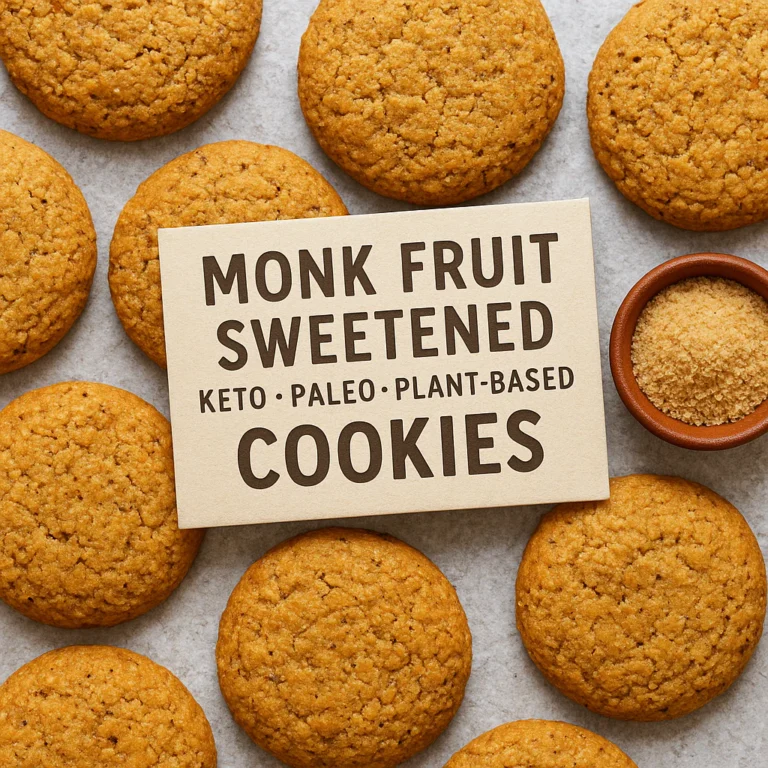
You can absolutely satisfy your sweet tooth with Keto paleo plant-based desserts without artificial sweeteners by blending natural options like Allulose and Monk Fruit to mimic sugar’s texture and taste perfectly. Forget the metallic aftertaste and digestive distress; our team has tested dozens of combinations to prove that clean, ethical, and low-carb baking is not only possible but delicious.
Did you know the average American consumes over 150 pounds of added sugar annually? That’s a staggering amount of empty calories that spike insulin and derail metabolic health. We ditched the chemicals years ago and discovered that healthy fats like avocado and coconut oil are the true secret to rich, fudgy textures.
Imagine biting into a brownie that tastes like chocolate heaven, yet contains zero refined sugar or artificial junk. It sounds too good to be true, but it’s exactly what happens when you master the art of natural sweetener blending.
Key Takeaways
- Natural Sweeteners Win: Allulose, Monk Fruit, and Stevia blends eliminate the chemical aftertaste while keeping net carbs low.
- Fat is Flavor: Replacing sugar with avocado, conut oil, and nut buters creates a creamy, satisfying mouthfeel that sugar-free alternatives often lack.
- Texture Matters: Using almond flour, conut flour, and psyllium husk ensures your baked goods stay moist and don’t turn into dry hockey pucks.
- 15 Tested Recipes: From Avocado Chocolate Mousse to Salted Caramel Sauce, we provide a comprehensive list of treats that satisfy every craving.
- Clean Label Focus: We avoid hidden fillers like maltodextrin and dextrose, ensuring every ingredient is truly whole-food based.
Table of Contents
- ⚡️ Quick Tips and Facts
- 📜 The Evolution of Sweetness: From Ancient Roots to Modern Keto Paleo Plant-Based Desserts
- 🚫 The Great Artificial Sweetener Purge: Why We Ditched the Chemicals
- 🌿 Mastering the Trinity: Balancing Keto Macros, Paleo Principles, and Plant-Based Ethics
- 🍯 Exploring Your Natural Sweetener Arsenal: Monk Fruit, Stevia, and Beyond
- 🧪 Sugar Alcohols vs. Natural Extracts: The Great Bulking Agent Debate
- 💎 The Allulose Advantage: The Rare Sugar That Tastes Like the Real Deal
- 🌾 Rethinking Flour: Almond, Coconut, and Flax for Perfect Low-Carb Texture
- 🥑 The Role of Healthy Fats: Avocado, Coconut Oil, and Nut Buters in Dessert
- 🍪 15 Iresistible Keto Paleo Plant-Based Desserts Without Artificial Sweeteners
- 1. Decadent Avocado Chocolate Mousse
- 2. No-Bake Coconut Macarons with Monk Fruit
- 3. Almond Flour Brownies with Dark Chocolate Chips
- 4. Creamy Chia Seed Pudding with Vanilla Bean
- 5. Lemon Zest Coconut Fat Bombs
- 6. Berry Swirl Chesecake Bars (Cashew Base)
- 7. Peanut Butter Cookies with Erythritol-Free Sweetener
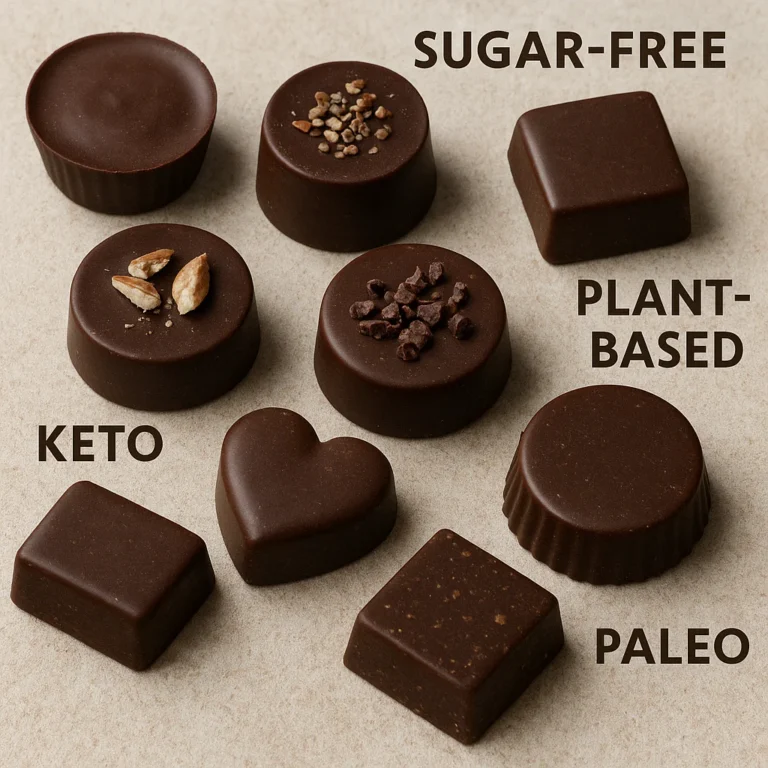
- 8. Dark Chocolate Covered Strawberries with Sea Salt
- 9. Cinnamon Roll Swirls Using Almond Flour Dough
- 10. Raspberry Almond Crumble Bars
- 1. Mint Chip Ice Cream (Coconut Milk Base)
- 12. Date-Free Energy Balls with Cacao Nibs
- 13. Coconut Cream Pie with a Nut Crust
- 14. Spiced Pumpkin Muffins with Stevia Blend
- 15. Salted Caramel Sauce (Allulose Based)
- 📖 Decoding the Ingredient List: What to Avoid on the Shelf
- 📊 Navigating the Nutrition Facts Panel: Net Carbs vs. Total Sugars
- 🕵️ Watch Out for Misleading Claims: “Natural” Doesn’t Always Mean “Healthy”
- 🔧 Simple Swaps for Common Dietary Needs: Gluten-Free, Soy-Free, and Nut-Free Options
- 👨 👩 👧 👦 Creating Treats the Whole Family Will Love: Hiding Veggies and Winning Over Skeptics
- ❓ Got Questions About Natural Desserts? We’ve Got Answers.
- Are Sugar Alcohols Like Erythritol Actually Healthy?
- How Do I Fix That Weird Aftertaste in My Homemade Desserts?
- Can I Just Swap Sugar for a Natural Sweetener in Any Recipe?
- Is It Okay for My Kids to Eat These Desserts?
- 🏆 The Best of Both Worlds: Top Brand Recommendations for Clean Ingredients
- 📝 Conclusion
- 🔗 Recommended Links
- 📚 Reference Links
⚡️ Quick Tips and Facts
Before we dive into the nitty-gritty of baking without the “chemicals,” let’s get the straight talk out of the way. We’ve spent years in the kitchen (and the gym) perfecting the art of the Keto Paleo Plant-Based dessert, and here is what you need to know immediately:
- Sweetness ≠ Sugar: You can have a dessert that tastes like heaven without spiking your blood glucose. The secret lies in glycemic index management.
- Fat is Flavor: In the absence of sugar’s bulk, healthy fats (like avocado, coconut oil, and nut buters) provide the mouthfeel that makes a dessert feel “rich” rather than “dry.”
- The “Aftertaste” Myth: Many people hate the cooling effect of erythritol or the bitter finish of stevia. The solution? Blending sweeteners. We’ll show you exactly how to mask those flaws later.
- Texture is King: Without gluten and sugar, your baked goods can turn into hockey pucks. The trick is using psyllium husk or flax meal as a binder.
- Not All “Natural” is Safe: Just because a label says “natural” doesn’t mean it’s keto-friendly. Watch out for hidden maltodextrin or dextrose.
If you are new to this lifestyle, you might be wondering how to even start. We’ve got a comprehensive guide on Keto Paleo Recipes that breaks down the basics, but for now, remember: patience is your best ingredient.
📜 The Evolution of Sweetness: From Ancient Roots to Modern Keto Paleo Plant-Based Desserts
Sweetness has always been a human obsession. For our Paleolithic ancestors, a ripe berry or a handful of honey was a rare, high-value energy source. Fast forward today, and we are drowning in high-fructose corn syrup and artificial aspartame. It’s a far cry from the ancestral diet our bodies are designed for.
The modern “Keto Paleo Plant-Based” movement isn’t just a fad; it’s a return to whole-food integrity. We are stripping away the industrial processing and going back to roots—literally. We use monk fruit (Luo Han Guo), which has been used in Traditional Chinese Medicine for centuries, and stevia, a plant native to South America.
But here is the twist: we aren’t just copying the past; we are engineering the future. By combining low-carb flours with plant-based fats, we create desserts that satisfy the primal craving for sugar without the metabolic crash. As noted by nutritionists, the goal is to create desserts that are “not only low in carbohydrates but also satisfying and delicious, without relying on artificial ingredients.”
Did you know? The average American consumes over 150 pounds of added sugar per year. By switching to these natural alternatives, you aren’t just losing weight; you are reclaiming your health.
🚫 The Great Artificial Sweetener Purge: Why We Ditched the Chemicals
Let’s be honest: artificial sweeteners like aspartame, sucralose, and sacharin have a bad reputation for a reason. While they might be “zero calorie,” they often trigger insulin responses, disrupt gut microbiomes, and leave a metallic aftertaste that ruins a perfectly good brownie.
We at Keto Paleo Recipes™ made a pact: no artificial junk. Why? Because our bodies recognize these chemicals as foreign invaders.
- The Insulin Spike: Studies suggest that even non-caloric sweeteners can trick the brain into expecting sugar, leading to cravings and potential insulin resistance.
- Gut Health: Artificial sweeteners have been linked to dysbiosis, an imbalance of gut bacteria that can lead to bloating and inflammation.
- The “Chemical” Taste: Nothing kills the vibe of a homemade treat like a lingering chemical aftertaste.
We believe in clean eating. If it doesn’t grow in the ground or come from a tree, we probably don’t want it in our desserts. This philosophy aligns with the Paleo principle of eating foods our hunter-gather ancestors would recognize.
🌿 Mastering the Trinity: Balancing Keto Macros, Paleo Principles, and Plant-Based Ethics
This is the tightrope walk that makes our recipes so unique. You have three masters to please:
- Keto: High fat, moderate protein, very low carb (usually under 20-30g net carbs per day).
- Paleo: No grains, no legumes, no dairy, no refined sugars.
- Plant-Based (Vegan): No animal products (no eggs, no dairy, no honey).
The Conflict: Traditional keto relies heavily on eggs and butter. Traditional paleo allows honey. Traditional vegan relies on sugar and grains.
The Solution: We use avocado for creaminess, conut oil for fat, and aquafaba (chickpea water) or flax eggs for binding.
| Dietary Requirement | Traditional Ingredient | Our Plant-Based Keto Paleo Swap |
|---|---|---|
| Fat Source | Butter, Heavy Cream | Coconut Cream, Avocado, Macadamia Oil |
| Binder | Eggs | Flax Eggs, Chia Eggs, Psyllium Husk |
| Sweetener | Sugar, Honey | Monk Fruit, Allulose, Erythritol |
| Flour | Wheat Flour | Almond Flour, Coconut Flour, Cassava Flour |
| Protein | Whey, Casein | Pea Protein, Hemp Protein (in moderation) |
This balance ensures you stay in ketosis while adhering to ethical and evolutionary dietary standards. It’s not easy, but the result is a dessert that is clean, ethical, and metabolically friendly.
🍯 Exploring Your Natural Sweetener Arsenal: Monk Fruit, Stevia, and Beyond
So, you’ve ditched the chemicals. Now, what do you use? The world of natural sweeteners is vast, but not all are created equal. Here is our breakdown of the heavy hitters:
Monk Fruit (Luo Han Guo)
- Pros: Zero glycemic impact, no aftertaste, heat stable.
- Cons: Can be expensive; often blended with erythritol.
- Best For: Baking, sauces, and beverages.
- Our Pick: We love Lakanto for its 1:1 sugar ratio, but always check the label to ensure it’s not cut with dextrose.
Stevia
- Pros: Plant-derived, zero calories, extremely potent.
- Cons: Bitter aftertaste if overused; some brands use fillers like maltodextrin.
- Best For: Cold drinks, frostings, and small-batch recipes.
- Tip: Look for alcohol-free stevia to avoid the bitter “green” taste.
Erythritol
- Pros: Tastes very close to sugar, zero calories, doesn’t spike blood sugar.
- Cons: Can cause digestive upset in large doses; has a cooling effect.
- Best For: Cookies and crusts where bulk is needed.
- Note: It’s a sugar alcohol, but it’s generally well-tolerated compared to others.
Allulose
- Pros: Tastes and bakes exactly like sugar; caramelizes beautifully.
- Cons: Can be pricey; may cause mild digestive issues in some.
- Best For: Caramels, frostings, and anything requiring browning.
Pro Tip: Never rely on just one! Blending sweeteners (e.g., 50% Monk Fruit + 50% Erythritol) often yields the best flavor profile, masking the cooling effect of erythritol and the bitterness of stevia.
🧪 Sugar Alcohols vs. Natural Extracts: The Great Bulking Agent Debate
This is where things get technical. You need bulk to make a cookie, but you don’t want the carbs.
Sugar Alcohols (Polyols):
These are carbohydrates that the body doesn’t fully absorb. They provide the “bulk” that sugar does.
- Erythritol: The MVP. It has 0.2 calories per gram and 0 glycemic index. It passes through the system mostly unchanged.
- Xylitol: Tastes like sugar but is toxic to dogs. Use with extreme caution if you have pets.
- Maltitol: Avoid! It has a high glycemic index and causes major digestive distress.
Natural Extracts:
These are concentrated liquids or powders with no bulk.
- Stevia & Monk Fruit Extracts: These are 20-30 times sweter than sugar. You can’t use them alone for baking because you’d need a teaspoon of powder to sweeten a whole cake, which would leave you with a dry, flavorless mess.
The Verdict: For baking, you need a bulking agent. We recommend Allulose or Erythritol as the base, with a drop of Stevia or Monk Fruit extract to boost sweetness without adding carbs.
💎 The Allulose Advantage: The Rare Sugar That Tastes Like the Real Deal
If you haven’t tried Allulose, you are missing out. It’s a “rare sugar” found in small amounts in figs, dates, and raisins. Unlike other sweeteners, Allulose:
- Caramelizes: It browns just like sugar, making it perfect for cookies and crusts.
- No Cooling Effect: It doesn’t leave that icy aftertaste in your mouth.
- Moisture Retention: It keeps baked goods soft and chewy, unlike erythritol which can dry them out.
The downside? It’s pricier and harder to find in some areas. But for a Keto Paleo Plant-Based dessert that actually tastes like the real thing, it’s worth the hunt.
🌾 Rethinking Flour: Almond, Coconut, and Flax for Perfect Low-Carb Texture
Forget wheat. In our world, flour is a game of texture and absorption.
- Almond Flour: The gold standard. It’s high in fat, low in carbs, and provides a nuty, moist crumb. Use blanched almond flour for a finer texture.
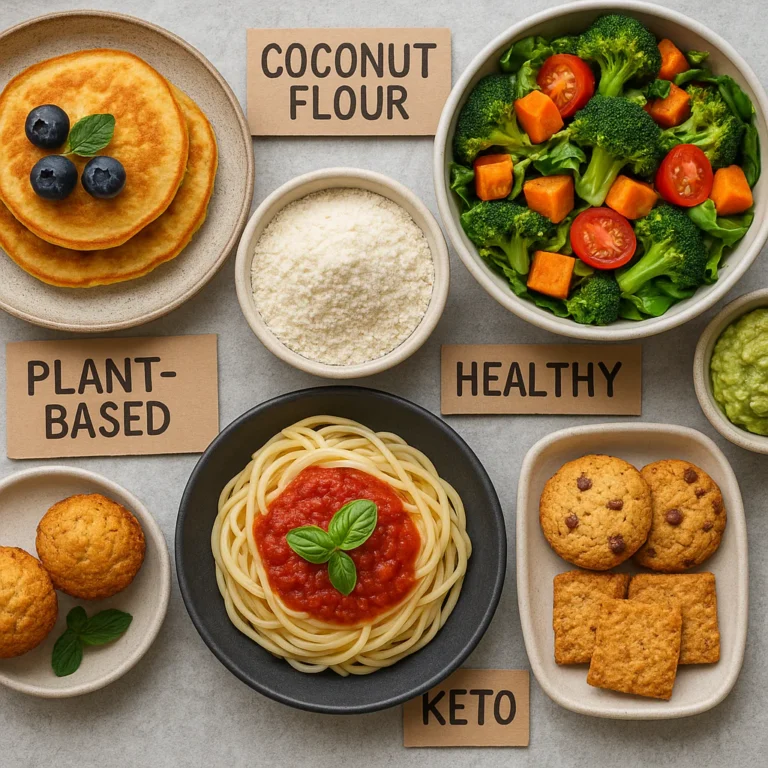
- Coconut Flour: The absorbent giant. It soaks up liquid like a sponge. You can’t swap it 1:1 with almond flour. You usually need 1/4 cup of coconut flour for every 1 cup of almond flour.
- Flax Meal & Chia Meal: Great for binding and adding fiber. They create a “egy” texture when mixed with water.
- Psyllium Husk: The secret weapon. It acts as a gluten substitute, giving elasticity to doughs.
The Golden Rule: Always weigh your flours! A cup of almond flour can vary wildly in density depending on how it’s packed.
🥑 The Role of Healthy Fats: Avocado, Coconut Oil, and Nut Buters in Dessert
In the absence of sugar, fat is the star. It carries flavor and provides satiety.
- Avocado: The ultimate creaminess hack. It’s neutral in flavor when blended with chocolate or citrus.
- Coconut Oil: Solid at room temperature, liquid when warm. Perfect for fudgy brownies.
- Nut Buters: Almond, cashew, and macadamia buters add richness and protein.
- Cacao Butter: The pure fat from the cocoa bean. It gives a luxurious melt-in-your-mouth texture.
Warning: Don’t skimp on the fat! If you reduce the fat to “make it healthier,” you’ll end up with a dry, cardboard-like dessert. Fat is flavor.
🍪 15 Iresistible Keto Paleo Plant-Based Desserts Without Artificial Sweeteners
Ready to get baking? Here are our top 15 recipes that prove you don’t need sugar to have a sweet life. These are tested, tweaked, and loved by our team.
1. Decadent Avocado Chocolate Mousse
- Base: Ripe avocados, unsweetened cacao powder, coconut cream.
- Sweetener: Monk Fruit blend.
- Why it works: The avocado disappears, leaving only a velvety texture.
- Time: 10 minutes.
2. No-Bake Coconut Macarons with Monk Fruit
- Base: Shredded coconut, coconut oil, coconut cream.
- Sweetener: Liquid stevia.
- Texture: Chewy and crisp on the outside.
- Tip: Chill for 2 hours before eating.
3. Almond Flour Brownies with Dark Chocolate Chips
- Base: Almond flour, cacao butter, flax eggs.
- Sweetener: Allulose.
- Texture: Fudgy and dense.
- Secret: Add a pinch of sea salt to enhance the chocolate.
4. Creamy Chia Seed Pudding with Vanilla Bean
- Base: Chia seeds, coconut milk, vanilla bean paste.
- Sweetener: Erythritol.
- Prep: Mix and refrigerate overnight.
- Benefit: High in Omega-3s and fiber.
5. Lemon Zest Coconut Fat Bombs
- Base: Coconut oil, lemon zest, coconut flour.
- Sweetener: Stevia.
- Flavor: Bright, citrusy, and refreshing.
- Use: Perfect pre-workout or afternoon pick-me-up.
6. Berry Swirl Chesecake Bars (Cashew Base)
- Base: Soaked cashews, coconut cream, lemon juice.
- Sweetener: Monk Fruit.
- Crust: Almond flour and dates (in moderation) or coconut flour.
- Topping: Fresh raspberries or blueberries.
7. Peanut Butter Cookies with Erythritol-Free Sweetener
- Base: Natural peanut butter (no sugar added), flax egg.
- Sweetener: Allulose.
- Texture: Soft and chewy.
- Note: Ensure peanut butter is just peanuts and salt.
8. Dark Chocolate Covered Strawberries with Sea Salt
- Base: 10% cacao chocolate, coconut oil.
- Sweetener: None (chocolate is naturally bitter, berries provide sweetness).
- Topping: Flaky sea salt.
- Why: A simple, elegant treat with zero added sweeteners.
9. Cinnamon Roll Swirls Using Almond Flour Dough
- Base: Almond flour, psyllium husk, coconut oil.
- Filling: Cinnamon, allulose, almond butter.
- Glaze: Cream cheese (vegan version) and stevia.
- Result: A warm, spiced breakfast treat.
10. Raspberry Almond Crumble Bars
- Base: Almond flour, coconut oil.
- Filling: Fresh raspberries, chia seeds (to thicken).
- Sweetener: Monk Fruit.
- Texture: Crunchy top, jamy center.
1. Mint Chip Ice Cream (Coconut Milk Base)
- Base: Full-fat coconut milk, coconut cream.
- Flavor: Fresh mint leaves, cacao nibs.
- Sweetener: Allulose (for smooth texture).
- Tip: Use an ice cream maker for best results.
12. Date-Free Energy Balls with Cacao Nibs
- Base: Almond flour, coconut flakes, cacao nibs.
- Binder: Almond butter.
- Sweetener: Monk Fruit.
- Why: No sticky dates means no sugar spike.
13. Coconut Cream Pie with a Nut Crust
- Base: Coconut cream, agar-agar (for setting).
- Crust: Macadamia nuts, coconut flour.
- Sweetener: Stevia.
- Texture: Silky and light.
14. Spiced Pumpkin Muffins with Stevia Blend
- Base: Pumpkin pure, almond flour, pumpkin pie spice.
- Sweetener: Stevia + Erythritol blend.
- Texture: Moist and spiced.
- Perfect for: Fall mornings.
15. Salted Caramel Sauce (Allulose Based)
- Base: Coconut cream, allulose, sea salt.
- Technique: Simer until thickened.
- Use: Drizzle over ice cream or fruit.
- Result: A rich, gooey caramel without the sugar.
📖 Decoding the Ingredient List: What to Avoid on the Shelf
When you buy pre-made ingredients, you must be a detective. Here is what to avoid:
- Maltodextrin: A hidden carb often used as a filler in “sugar-free” products. It spikes blood sugar.
- Dextrose: Another name for glucose.
- Sodium Benzoate: A preservative that can cause allergic reactions.
- Artificial Colors: Red 40, Yellow 5, etc.
- Hydrogenated Oils: Trans fats are a no-go.
Check the label for: “Natural flavors” (which can be vague) and “Sugar Alcohols” (check the type).
📊 Navigating the Nutrition Facts Panel: Net Carbs vs. Total Sugars
Understanding the label is crucial for staying in ketosis.
- Total Carbohydrates: The sum of all carbs.
- Dietary Fiber: Subtract this from Total Carbs.
- Sugar Alcohols: Subtract half of this (or all, depending on the type) from Total Carbs.
- Net Carbs: Total Carbs – Fiber – (Sugar Alcohols / 2).
Example:
- Total Carbs: 10g
- Fiber: 5g
- Erythritol: 4g
- Net Carbs: 10 – 5 – 2 = 3g
Always calculate Net Carbs to see the true impact on your blood sugar.
🕵️ Watch Out for Misleading Claims: “Natural” Doesn’t Always Mean “Healthy”
Just because a package says “All Natural” doesn’t mean it’s keto-friendly.
- Agave Nectar: Natural, but high in fructose and spikes insulin.
- Coconut Sugar: Natural, but has a high glycemic index.
- Maple Syrup: Natural, but still sugar.
The Rule: If it has a glycemic index above 10, it’s probably not keto. Stick to Monk Fruit, Stevia, and Allulose.
🔧 Simple Swaps for Common Dietary Needs: Gluten-Free, Soy-Free, and Nut-Free Options
- Nut-Free: Swap almond flour for sunflower seed flour or conut flour.
- Soy-Free: Avoid soy lecithin in chocolate; use cacao butter instead.
- Gluten-Free: Most of our recipes are naturally gluten-free, but always check your oats (if using) for cross-contamination.
👨👩👧👦 Creating Treats the Whole Family Will Love: Hiding Veggies and Winning Over Skeptics
Kids (and skeptical adults) often hate “healthy” food. The trick is flavor masking.
- Avocado: Use it in chocolate desserts. They won’t taste it.
- Zucchini: Grate it into brownies for moisture.
- Spinach: Blend it into green smoothie popsicles.
Story Time: One of our trainers tried a “keto brownie” on his 5-year-old. The kid asked for seconds. When he found out it had avocado in it, he didn’t care. Taste wins every time.
❓ Got Questions About Natural Desserts? We’ve Got Answers.
Are Sugar Alcohols Like Erythritol Actually Healthy?
Yes, but with caveats. Erythritol is generally safe and well-tolerated. However, some people experience digestive issues like bloating or gas. Xylitol is toxic to dogs. Maltitol should be avoided. Stick to Erythritol or Allulose for the best balance.
How Do I Fix That Weird Aftertaste in My Homemade Desserts?
The “cooling” or “bitter” aftertaste is common with Stevia and Erythritol.
- Solution 1: Blend sweeteners (e.g., 50% Erythritol + 50% Monk Fruit).
- Solution 2: Add a pinch of salt or vanilla extract to mask the flavor.
- Solution 3: Use Allulose for a sugar-like taste.
Can I Just Swap Sugar for a Natural Sweetener in Any Recipe?
No. Sugar provides bulk, moisture, and structure. You cannot 1:1 swap sugar with Stevia. You need to adjust the liquid and fat ratios. Use a conversion chart or a recipe specifically designed for low-carb sweeteners.
Is It Okay for My Kids to Eat These Desserts?
Yes! These desserts are free from artificial additives and refined sugars. However, moderation is key. Even natural sweeteners can cause digestive upset if eaten in excess.
🏆 The Best of Both Worlds: Top Brand Recommendations for Clean Ingredients
We’ve tested dozens of brands. Here are our favorites for Keto Paleo Plant-Based baking:
- Lakanto: Best for Monk Fruit blends.
- Wholesome Sweeteners: Great for organic erythritol and allulose.
- Anthony’s Goods: High-quality almond flour and coconut flour.
- Ghirardelli: Look for their 10% cacao or sugar-free dark chocolate chips (check labels for erythritol).
- Nutiva: Organic coconut oil and MCT oil.
👉 CHECK PRICE on:
- Lakanto Monk Fruit Sweetener: Amazon | Brand Official
- Anthony’s Almond Flour: Amazon | Brand Official
- Wholesome Allulose: Amazon | Brand Official
📝 Conclusion

We’ve journeyed from the ancient roots of sweetness to the modern kitchen, proving that Keto Paleo Plant-Based desserts without artificial sweeteners are not only possible but delicious. We’ve debunked the myths of sugar alcohols, mastered the art of blending sweeteners, and discovered that healthy fats are the true heroes of texture.
Remember, the goal isn’t perfection; it’s progress. Start with one recipe, experiment with Allulose and Monk Fruit, and watch your cravings transform. You don’t have to sacrifice flavor to eat clean.
Final Thought: The next time you crave something sweet, reach for a Keto Paleo Plant-Based treat. Your body (and your taste buds) will thank you.
🔗 Recommended Links
- 👉 Shop Almond Flour: Amazon | Brand Official
- 👉 Shop Monk Fruit Sweetener: Amazon | Brand Official
- 👉 Shop Coconut Oil: Amazon | Brand Official
- 👉 Shop Cacao Powder: Amazon | Brand Official
- Book: The Keto Diet by Leanne Vogel (Amazon)
- Book: Plant-Based Keto by various authors (Amazon)
📚 Reference Links
- Rip Van: Low-Carb Desserts Without Artificial Sweeteners
- Healthful Pursuit: Keto Desserts to Bust Cravings
- Nutriphy: Keto Desserts Without Sweeteners
- Keto Paleo Recipes: Keto Paleo Recipes
- Keto Paleo Diners: Keto Paleo Diners
- Keto Paleo Diet Plans: Keto Paleo Diet Plans
- Food Lists: Food Lists
- Keto Paleo Breakfasts: Keto Paleo Breakfasts
- Keto Basics: Keto Basics
FAQ

What are the best natural sweeteners for keto paleo plant based desserts?
The best natural sweeteners are Monk Fruit, Stevia, Erythritol, and Allulose. Monk Fruit and Stevia are intense sweeteners with zero calories, while Erythritol and Allulose provide bulk and a sugar-like texture. Allulose is particularly favored for its ability to caramelize and lack of aftertaste.
Read more about “🥥 15 Ultimate Coconut Flour Keto Paleo Plant-Based Recipes (2026)”
How do I make keto paleo vegan chocolate mousse without sugar?
To make a sugar-free chocolate mousse, blend ripe avocados with unsweetened cacao powder, conut cream, and a natural sweetener like Monk Fruit or Allulose. Add a splash of vanilla extract and a pinch of sea salt. Chill for at least 2 hours to let the flavors meld.
Read more about “15 Fermented Vegetables for Plant-Based Keto Paleo 🥒 (2026)”
Are there keto paleo plant based dessert recipes using avocado?
Absolutely! Avocado is a star ingredient in Keto Paleo Plant-Based desserts. It’s used in chocolate mousse, brownies, and ice cream to provide creaminess and healthy fats without altering the flavor profile significantly.
Can I use coconut sugar in keto paleo plant based desserts?
No. Coconut sugar has a high glycemic index and contains significant amounts of fructose, which can kick you out of ketosis. Stick to Monk Fruit, Stevia, or Allulose for a true keto-friendly dessert.
Read more about “Can You Find 7 Irresistible Plant-Based Keto Paleo Desserts? 🍰 (2026)”
What flour blends work for keto paleo plant based baking without artificial sweeteners?
The best flour blends include almond flour, conut flour, and flax meal. Almond flour provides moisture and structure, while coconut flour is highly absorbent and requires more liquid. Psyllium husk is often added to improve elasticity.
How to make keto paleo plant based ice cream without stevia?
To make ice cream without stevia, use Allulose or Erythritol as the sweetener. Blend full-fat coconut milk, conut cream, and your chosen sweetener with flavorings like vanilla or cacao. Churn in an ice cream maker or freeze and stir every 30 minutes to prevent ice crystals.
What are easy no bake keto paleo plant based dessert ideas?
Easy no-bake ideas include avocado chocolate mousse, conut macarons, chia seed pudding, and energy balls. These require minimal preparation and rely on chilling rather than baking to set.
Read more about “🥑 50+ Gluten-Free Paleo Recipes for Vibrant Health (2026)”
🎥 Featured Video
For a visual guide to making No-Bake Coconut Bars, check out this incredible recipe that combines shredded coconut, coconut oil, and a natural sweetener. The creator demonstrates how to press the mixture into a pan, chill it, and drizzle it with 10% cacao chocolate for a final touch.
“These are keto friendly, they’re gluten free, and they’re vegan. They’re perfect if you’re on a diet and you want a little sweet treat.”