Support our educational content for free when you buy through links on our site. Learn more
🌿 7-Day Plant-Based Keto Paleo Meal Plan (2026)


A weekly plant-based keto paleo meal plan can work when you build meals around low-carb vegetables, plan a reliable plant-protein source, and decide whether your version is strict paleo or flexible. We recommend treating the week as a practical template—not a rigid prescription—because strict paleo excludes legumes and soy, two convenient protein options often used in plant-based meals.
Our kitchen-tested shortcut: roast a tray of cauliflower and broccoli, prep one punchy sauce, and keep hemp hearts or pumpkin seeds ready for bowls and salads. That simple setup turns “What’s for dinner?” from a nightly mystery into a meal you can assemble before your cauliflower gets cold.
Key Takeaways
- Choose your rules upfront: tofu and tempeh can suit flexible plant-based keto, but they aren’t strict paleo.
- Build satisfying meals: pair non-starchy vegetables with a deliberate protein source and measured healthy fats.
- Prep for flexibility: roast vegetables, make a sauce, and repurpose leftovers across the week.
- Plan nutrition carefully: fully plant-based eating requires a reliable vitamin B12 source; discuss supplements and medical needs with a qualified clinician.
- Personalize the plan: carbohydrate and protein needs vary with health, activity, and goals.
Table of Contents
- ⚡️ Quick Tips and Facts: Your Plant-Based Keto Paleo Meal-Planning Cheat Sheet
- 🌿 What “Plant-Based Keto Paleo” Means—and Where the Rules Differ
- How keto, paleo, and plant-based eating fit together
- Who may benefit—and who should seek personalized advice
- 📜 From Caveman Diet to Plant-Forward Keto: A Brief Background
- 🥑 Build a Balanced Plant-Based Keto Paleo Plate
- Low-carb vegetables, plant proteins, and healthy fats
- Net carbs, fiber, and practical daily targets
- 🗓️ The 7-Day Plant-Based Keto Paleo Meal Plan
- Day 1: Avocado, greens, and cauliflower comfort food
- Day 2: Zuchini noodles and satisfying seed-based meals
- Day 3: Mushroom bowls and crunchy cabbage salads
- Day 4: Broccoli, coconut, and herby cauliflower rice
- Day 5: Eggplant plates and quick skillet dinners
- Day 6: Hemp, chia, and make-ahead lunch bowls
- Day 7: Leftover-friendly meals and a simple reset
- 🍳 14 Easy Plant-Based Keto Paleo Recipe Ideas
- Breakfasts and snacks
- Lunches and dinners
- Sauces, dressings, and flavor boosters
- 🛒 Plant-Based Keto Paleo Shopping List
- Fresh produce and frozen staples
- Nuts, seeds, oils, and pantry essentials
- Label-reading tips for hidden sugars and additives
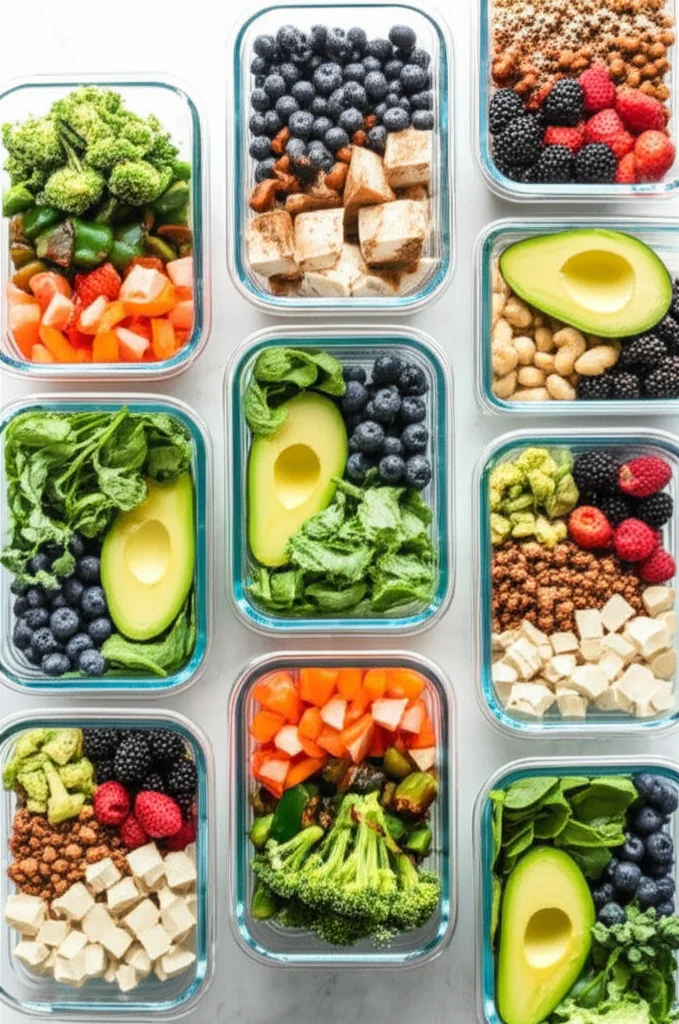
- 🍱 Meal Prep That Makes the Week Easier
- A 60–90-minute batch-cooking routine
- Safe storage, reheating, and packable meals
- 🚫 Foods to Limit or Skip on a Plant-Based Keto Paleo Plan
- Higher-carb plant foods and keto-friendly portions
- Paleo exclusions and common packaged-food pitfalls
- 🧪 Nutrition Check: Protein, Micronutrients, and Electrolytes
- Getting enough protein without legumes or grains
- Calcium, iron, iodine, omega-3s, and vitamin B12
- Hydration, sodium, potassium, and magnesium
- 🔄 Smart Swaps for Allergies, Budgets, and Busy Days
- Nut-free and seed-light alternatives
- Lower-cost ingredient swaps
- Dining out and handling social meals
- 🏋️ Exercise, Energy, and Adjusting Your Meal Timing
- 🩺 Common Challenges and How to Troubleshoot Them
- Hunger, low energy, and digestive changes
- When ketosis or weight goals stall
- When to consult a registered dietitian or clinician
- ✅ Key Takeaways for a Sustainable Weekly Plan
- 🏁 Conclusion
- 🔗 Recommended Links
- ❓ FAQ
- 📚 Reference Links
⚡️ Quick Tips and Facts: Your Plant-Based Keto Paleo Meal-Planning Cheat Sheet
A plant-based keto paleo week is possible, but it works best when we plan around low-carbohydrate vegetables, carefully chosen plant proteins, and satisfying fats—not just a pile of greens wearing an avocado hat. If you’re looking for more ideas, start with our Keto Paleo Recipes collection.
| At a glance | Practical starting point |
|---|---|
| Build most meals around | Leafy greens, cauliflower, broccoli, zucchini, mushrooms, and cabbage |
| Add a protein anchor | Hemp hearts, pumpkin seeds, chia, or—if your interpretation allows—soy foods such as tofu or tempeh |
| Add satisfying fats | Avocado, olives, extra-virgin olive oil, coconut milk, nuts, or seeds |
| Keep an eye on | Total carbohydrate intake, serving sizes, packaged-food labels, and protein adequacy |
| Plan ahead | Batch-roast vegetables and prepare one or two sauces |
| Strict paleo note | Soy, legumes, grains, dairy, and many meat substitutes don’t fit strict paleo rules |
| Important nutrition note | A fully vegan diet needs a reliable vitamin B12 source; discuss other supplements with a clinician |
There isn’t one universal carb target. Some ketogenic plans use a limit around 20–50 grams of carbohydrate per day, while individualized needs differ with activity, health, and goals. The Cleveland Clinic’s ketogenic diet overview describes the diet as very low in carbohydrates, but the exact target should be personalized rather than treated like a magic number.
Two useful guardrails:
- ✅ Check your own definition of paleo. A plan containing tofu or tempeh may be plant-forward and keto-friendly, but it isn’t strict paleo.
- ❌ Don’t equate high fat with automatically healthy. Prioritize minimally processed foods and unsaturated fats such as olive oil, avocado, nuts, and seeds, consistent with American Heart Association guidance.
We’ll use a practical, flexible version of the plan below and flag where strict paleo and broader plant-based keto choices part ways. That distinction is the key to making the week work without arguing with your dinner plate.
🌿 What “Plant-Based Keto Paleo” Means—and Where the Rules Differ
“Plant-based keto paleo” combines three eating ideas, but they don’t line up perfectly. Plant-based generally emphasizes foods from plants; keto limits carbohydrates enough to encourage a ketogenic metabolic state; and paleo typically excludes grains, legumes, and dairy. Put all three together and you have a narrow menu that needs deliberate protein and micronutrient planning.
How keto, paleo, and plant-based eating fit together
| Eating approach | Usual focus | Potential conflict |
|---|---|---|
| Plant-based | Plant foods form the foundation; it may or may not exclude animal foods | The term itself doesn’t guarantee low carbs or adequate protein |
| Ketogenic | Very low-carbohydrate eating with individualized protein and fat intake | Many beans, lentils, grains, and fruits can use up a small carb allowance |
| Paleo | Whole foods; typically excludes grains, legumes, and dairy | Many convenient plant proteins, including soy and beans, are excluded |
For this meal plan, we’ll distinguish two paths:
- Strict plant-based paleo keto: Uses vegetables, nuts, seeds, oils, and coconut. It excludes animal foods, grains, legumes, and dairy. Protein can be challenging, so careful planning is essential.
- Flexible plant-based keto: Includes selected foods such as tofu or tempeh if they suit your preferences. This may improve protein options, but it is not strict paleo.
That wording matters. Some articles describe tofu or tempeh as part of a “paleo” menu, while strict paleo frameworks generally exclude legumes and soy. We trust the ingredient definition more than a catchy recipe label: tofu can be keto-friendly, but it isn’t strict paleo.
The Harvard T.H. Chan School of Public Health’s overview of vegetarian diets supports building plant-based eating around varied, nutrient-dense foods. Meanwhile, the International Food Information Council’s guide to the ketogenic diet explains why carbohydrate restriction can look quite different from one person’s plan to another.
Who may benefit—and who should seek personalized advice
People choose this style for varied reasons: preference for plant-forward meals, interest in reducing refined carbohydrates, or a desire to experiment with meal structure. No eating pattern can promise treatment for PCOS, insulin resistance, thyroid disease, or any other condition. Those health goals require individualized clinical guidance.
Talk with a registered dietitian or clinician before trying a very-low-carbohydrate plan if you:
- Have diabetes and take insulin or glucose-lowering medication
- Are pregnant, breastfeeding, under 18, or managing a history of disordered eating
- Have kidney, liver, pancreatic, or gallbladder disease
- Take blood-pressure medication or medicines that affect fluid and electrolyte balance
- Have a condition requiring a prescribed therapeutic diet
The National Institute of Diabetes and Digestive and Kidney Diseases advises people to discuss major diet changes with a health professional, especially when a medical condition or medication is involved. That’s not red tape; it’s smart coaching.
📜 From Caveman Diet to Plant-Forward Keto: A Brief Background

The paleo concept is often framed as eating foods presumed to resemble those available to ancestral populations. But modern versions are present-day interpretations, not a single historically precise menu. Likewise, ketogenic diets have been used in clinical contexts, including epilepsy care, and are now also followed in modified forms for personal dietary goals. The National Center for Complementary and Integrative Health summarizes the evidence and cautions around popular ketogenic approaches.
A plant-forward version is a modern adaptation. It shifts the focus from meat-centered paleo meals to vegetables, nuts, seeds, and plant oils, while maintaining carbohydrate limits. That can be appealing—but the tighter the rules, the more attention protein, vitamin B12, calcium, iron, iodine, and omega-3 fats deserve.
The featured video perspective makes a similar case for a plant-based ketogenic style, including Dr. Will Cole’s Keto-tarian approach and recipe ideas such as chia pudding, lettuce wraps, and cauliflower rice. Treat the video as one author’s perspective, not individualized medical advice or proof that the plan treats a particular condition.
For a deeper look at plant-based ingredient choices, see our guide to whether keto paleo recipes can be made with plants. The practical question isn’t whether every food fits a historical label. It’s whether your version is nutritious, enjoyable, and workable in real life.
🥑 Build a Balanced Plant-Based Keto Paleo Plate
A good meal needs more than a drizzle of oil and optimism. Aim for a generous low-carb vegetable base, a deliberate protein source, a measured portion of fat, and a flavor builder such as herbs, lemon, garlic, or vinegar.
Low-carb vegetables, plant proteins, and healthy fats
| Plate component | Helpful choices | How to use it |
|---|---|---|
| Non-starchy vegetables | Spinach, kale, broccoli, cauliflower, zucchini, mushrooms, cabbage, asparagus | Fill about half the plate, adjusting for your carbohydrate target |
| Plant protein | Hemp hearts, pumpkin seeds, chia; tofu or tempeh for flexible plans | Add a clear protein component rather than relying on vegetables alone |
| Unsaturated fats | Avocado, olives, extra-virgin olive oil, macadamias, walnuts | Add enough for flavor and satisfaction, not automatically by the spoonful |
| Coconut-based fats | Unsweetened coconut milk or coconut cream | Useful in curries and chia pudding; check portions and saturated fat |
| Flavor and texture | Lemon, herbs, spices, nutritional yeast, toasted seeds | Build savory depth and keep repeat meals interesting |
A simple formula:
- Choose two vegetables. For example, cauliflower rice and sautéed spinach.
- Pick a protein anchor. Hemp hearts work in a strict version; tofu or tempeh can be an option in a flexible version.
- Add fat with intention. Olive oil, avocado, tahini, or coconut milk can boost flavor and fullness.
- Finish with contrast. Add lemon, vinegar, herbs, chili, or a small crunch of seeds.
- Check the whole meal’s carbohydrate total. Tomato sauce, coconut milk, nuts, and dressings all contribute.
For practical recipe inspiration, browse our Keto-Paleo Dinners and Food Lists.
Plant fats: useful, not unlimited
Avocado, olives, nuts, and seeds offer different combinations of fats, fiber, and micronutrients. But calorie-dense foods are easy to overpour: a “quick splash” of oil can become the culinary equivalent of a small swimming pool.
- ✅ Use olive oil as a dressing or cooking fat, and measure it occasionally to learn your usual pour.
- ✅ Pair fat with vegetables and a protein source for a more complete meal.
- ❌ Don’t use MCT oil or coconut oil as a substitute for all other fats. The American Heart Association recommends limiting saturated fat and replacing it with unsaturated fats where possible.
Net carbs, fiber, and practical daily targets
Net carbohydrate is commonly estimated by subtracting fiber from total carbohydrate, but labeling rules and sugar alcohols can make package math confusing. A straightforward starting point is to track total carbohydrates and fiber separately, then follow the approach recommended by your clinician or dietitian.
| Tracking item | Why it matters |
|---|---|
| Total carbohydrate | Captures all carbohydrates listed on the nutrition label |
| Fiber | Supports digestive health and is included in total carbohydrate in many labeling systems |
| Net-carb estimate | A consumer shorthand; it may not predict individual blood-glucose or ketosis responses |
| Serving size | Nuts, seeds, sauces, and berries can add up quickly across a day |
For a personal record, apps such as Cronometer can help you track foods and nutrients. Logging is a tool, not a requirement—and no app can replace clinical judgment.
A commonly cited range for ketogenic eating is very low carbohydrate, often around 20–50 grams daily depending on the individual. Don’t assume a percentage split like “70–80% fat” automatically suits you. Your protein needs, activity, medical history, and goals all matter. For foundational nutrition guidance, see the Dietary Guidelines for Americans.
🗓️ The 7-Day Plant-Based Keto Paleo Meal Plan
This menu is a flexible template, not a prescribed therapeutic diet. It includes mostly paleo-compatible plant foods and marks optional soy-based meals as flexible-plan choices. Adjust portions to your appetite, energy needs, allergies, and clinician-guided carbohydrate target.
| Day | Breakfast | Lunch | Dinner |
|---|---|---|---|
| 1 | Chia-coconut pudding with a few berries | Spinach-avocado salad with hemp hearts | Roasted cauliflower “steaks,” asparagus, and tahini-lemon sauce |
| 2 | Avocado with sautéed mushrooms and greens | Zuchini noodles with walnut-hemp pesto | Broccoli-mushroom coconut curry; optional tofu for flexible plans |
| 3 | Flax-chia bowl with unsweetened coconut milk | Leftover curry over cauliflower rice | Cabbage cups with cauliflower, mushrooms, herbs, and avocado |
| 4 | Savory cauliflower hash with pumpkin seeds | Kale salad with olives, cucumber, and tahini | Eggplant and mushroom walnut skillet |
| 5 | Smoothie with unsweetened almond milk, spinach, chia, and avocado | Leftover eggplant bowl with greens | Coconut-ginger cauliflower rice with broccoli and hemp hearts |
| 6 | Chia pudding or a warm seed poridge | Roasted vegetable bowl with pumpkin seeds | Zuchini and mushroom bake with olive-herb dressing |
| 7 | Avocado, greens, and leftover roasted vegetables | Big chopped salad with walnuts and lemon dressing | “Clean-out-the-fridge” vegetable soup with coconut milk |
Flexible-plan protein option: Add plain extra-firm tofu or tempeh to Days 2, 3, or 5 if you eat soy. For strict paleo, leave it out and build protein more deliberately from hemp hearts, pumpkin seeds, chia, nuts, and other suitable ingredients—ideally with a dietitian’s help.
Day 1: Avocado, greens, and cauliflower comfort food
- Breakfast: Stir chia seeds into unsweetened coconut milk and let the mixture thicken in the refrigerator. Top with a small portion of berries and hemp hearts.
- Lunch: Toss spinach, cucumber, avocado, and hemp hearts with lemon and olive oil.
- Dinner: Roast cauliflower slabs and asparagus. Serve with tahini whisked with lemon, water, garlic, and salt.
Prep tip: Make two servings of cauliflower and save one for tomorrow’s lunch. Your future self deserves a thank-you note.
Day 2: Zuchini noodles and satisfying seed-based meals
- Breakfast: Warm mushrooms and greens in olive oil; finish with pumpkin seeds and avocado.
- Lunch: Make zucchini noodles and toss them with pesto made from walnuts, basil, garlic, olive oil, lemon, and hemp hearts.
- Dinner: Simer broccoli and mushrooms in unsweetened coconut milk with ginger and curry spices. Flexible-plan diners can add tofu; strict paleo diners can serve it with extra hemp-heart topping.
Carb check: Curry pastes and jared sauces may contain sugar or starch. Read labels before they go in the pot.
Day 3: Mushroom bowls and crunchy cabbage salads
- Breakfast: Make a warm flax-and-chia bowl with unsweetened coconut milk, cinnamon, and a spoonful of chopped walnuts.
- Lunch: Serve leftover curry over cauliflower rice.
- Dinner: Spoon a savory mix of sautéed mushrooms, shredded cauliflower, herbs, and walnuts into cabbage leaves. Add avocado and lime.
Texture trick: Cook mushrooms long enough to brown. A crowded, wet pan steams them; a hot pan and space give you that deeper, more savory flavor.
Day 4: Broccoli, coconut, and herby cauliflower rice
- Breakfast: Sauté cauliflower rice with spinach, turmeric, garlic, and pumpkin seeds.
- Lunch: Build a kale salad with cucumber, olives, lemon, tahini, and walnuts.
- Dinner: Cook eggplant and mushrooms with tomato in a skillet, keeping tomato portions modest if you’re closely tracking carbohydrates. Finish with parsley and olive oil.
For more breakfast ideas, our Keto-Paleo Breakfasts category has additional ways to keep mornings from becoming a daily avocado rerun.
Day 5: Eggplant plates and quick skillet dinners
- Breakfast: Blend unsweetened almond milk, spinach, chia, and a small amount of avocado into a smoothie. For extra protein, use a suitable unsweetened plant protein only if its ingredients fit your version of the plan.
- Lunch: Reheat the eggplant skillet over greens.
- Dinner: Stir-fry broccoli and cauliflower rice with ginger, garlic, and coconut aminos. Add hemp hearts at the table. Flexible-plan diners may include tofu or tempeh.
Label note: Coconut aminos vary. Compare serving sizes and carbohydrate content rather than assuming every bottle is low-carb.
Day 6: Hemp, chia, and make-ahead lunch bowls
- Breakfast: Choose chia pudding or warm seed poridge.
- Lunch: Combine roasted broccoli, cauliflower, greens, avocado, and pumpkin seeds. Dress with lemon and olive oil.
- Dinner: Roast zucchini and mushrooms with herbs. Top with walnut crumbs and a spoonful of tahini dressing.
This is the day to use your prepped vegetables. If they’ve been in the refrigerator for several days, check storage time and quality; don’t let “meal prep” become “mystery container roulette.”
Day 7: Leftover-friendly meals and a simple reset
- Breakfast: Reheat leftover roasted vegetables and serve with avocado and seeds.
- Lunch: Make a chopped salad from greens, cucumber, olives, nuts, and any remaining vegetables.
- Dinner: Simer leftover cauliflower, greens, mushrooms, and coconut milk into a simple vegetable soup. Season with ginger, garlic, and herbs.
Weekly reset: Note the meals you’d happily eat again, what spoiled, and which ingredients kept you satisfied. The best plan is the one you can repeat—not the one with the fanciest Sunday spreadsheet.
🍳 14 Easy Plant-Based Keto Paleo Recipe Ideas
These ideas are starting points. Portion sizes and carbohydrate counts depend on your ingredients, so check labels and adapt to your needs.
Breakfasts and snacks
- Chia-coconut pudding: Chia, unsweetened coconut milk, vanilla, and a few berries.
- Avocado-green smoothie: Spinach, avocado, unsweetened almond milk, chia, and ice.
- Savory mushroom bowl: Mushrooms, spinach, olive oil, and pumpkin seeds.
- Flax-chia breakfast poridge: Ground flax, chia, cinnamon, and unsweetened coconut milk.
- Avocado cucumber boats: Fill cucumber halves with mashed avocado, lemon, herbs, and hemp hearts.
- Olives and macadamias: A small portion makes a convenient snack, though it won’t contribute much protein.
- Coconut-yogurt bowl: Choose an unsweetened product and add chia; compare labels for added sugar and protein.
Lunches and dinners
- Walnut-hemp pesto zucchini noodles: Basil, garlic, lemon, olive oil, walnuts, and hemp hearts.
- Roasted cauliflower “steaks”: Serve with tahini-lemon sauce and greens.
- Broccoli-mushroom coconut curry: Use unsweetened coconut milk and check the curry paste for added sugar.
- Eggplant-mushroom skillet: Add walnuts for a savory, hearty texture.
- Cabbage cups with cauliflower filling: Season with ginger, herbs, and lime; top with avocado.
- Crispy roasted Brussels sprouts: Roast with olive oil and finish with lemon and chopped nuts.
- Flexible tofu or tempeh stir-fry: Use plain products, vegetables, ginger, and a label-checked sauce. This option is not strict paleo.
Sauces, dressings, and flavor boosters
Small sauces can rescue a repetitive week. These are easy to make at home:
- Tahini-lemon dressing: Whisk tahini, lemon juice, water, garlic, and salt until pourable.
- Walnut-hemp pesto: Blend basil, walnuts, hemp hearts, garlic, lemon, and olive oil.
- Ginger-lime dressing: Combine lime juice, grated ginger, olive oil, and a little coconut aminos.
- Avocado herb sauce: Blend avocado, parsley, lemon, water, and garlic.
If convenience wins on a busy day, read ingredient lists carefully. Primal Kitchen Plant Based Ranch and Primal Kitchen Creamy Cashew Alfredo are examples of named packaged options, but formulas can change. Confirm current ingredients, allergen information, and nutrition facts on the Primal Kitchen official site before buying. “Plant-based” on a label does not automatically mean keto-friendly or paleo-compliant.
🛒 Plant-Based Keto Paleo Shopping List
Shop for a week of mix-and-match ingredients rather than seven separate, perfectly portioned recipe kits. That gives you room to swap a meal when life does what life does.
Fresh produce and frozen staples
Fresh or frozen vegetables
- Spinach, kale, arugula, or mixed greens
- Cauliflower or frozen cauliflower rice
- Broccoli and Brussels sprouts
- Zuchini
- Mushrooms
- Cabbage
- Eggplant
- Asparagus
- Cucumbers, radishes, and herbs
- Lemons and limes
- Avocados
- Small portions of berries, if they fit your carbohydrate target
Frozen vegetables are often practical, nutritious, and less likely to be forgotten until they become a science experiment. The USDA’s MyPlate produce guidance offers general tips for including fruits and vegetables in meals.
Nuts, seeds, oils, and pantry essentials
- Hemp hearts, chia seeds, ground flax, and pumpkin seeds
- Walnuts, pecans, macadamias, or almonds
- Extra-virgin olive oil
- Tahini
- Unsweetened canned coconut milk
- Unsweetened almond milk
- Coconut aminos, if the label suits your carb target
- Garlic, ginger, cinnamon, turmeric, cumin, chili, and black pepper
- Vinegar, salt, and dried herbs
- Plain tofu or tempeh for flexible—not strict paleo—meals
Label-reading tips for hidden sugars and additives
Check these items first:
- Serving size: A “low-carb” sauce may use a tiny serving size.
- Added sugars: Look for sugar, syrup, dextrose, or concentrated sweeteners on the ingredient list.
- Starches and flours: Tapioca, rice flour, potato starch, and corn starch can raise carbohydrate content.
- Protein: Plant milks and vegan cheese alternatives may contain little protein.
- Fat type: Some products rely heavily on saturated coconut fat; balance them with unsaturated fats from olives, avocado, nuts, and seeds.
- Allergens: Nut-, soy-, sesame-, and coconut-based foods can be problematic for some people.
A nutrition label is more useful than a front-of-package halo. See the FDA’s guide to the Nutrition Facts label for help comparing serving sizes and nutrients.
🍱 Meal Prep That Makes the Week Easier
Meal prep is not about cooking seven elaborate dinners on Sunday. It’s about making the next good choice easier when you’re hungry and your schedule is doing cartwheels.
A 60–90-minute batch-cooking routine
- Wash and chop vegetables. Prepare broccoli, cauliflower, zucchini, and greens.
- Roast two trays. Cook cauliflower and broccoli one tray, Brussels sprouts or zucchini on another. Use olive oil and seasonings.
- Make one sauce. Choose tahini-lemon dressing or walnut-hemp pesto.
- Prepare a protein component. Portion hemp hearts and pumpkin seeds. If you include tofu or tempeh, prepare it separately.
- Cook a flexible base. Make cauliflower rice or sautéed mushrooms.
- Portion lunch components. Keep dressings and crunchy toppings separate until serving.
- Leave room for improvisation. Keep a few vegetables unseasoned so they can go into curry, salad, or soup.
Our team’s practical trick: roast vegetables until browned at the edges, then add bright flavors after cooking. Lemon, herbs, and vinegar bring the meal back to life without another hour at the stove.
For more structured planning ideas, see our Keto-Paleo Diet Plans.
Safe storage, reheating, and packable meals
Refrigerate perishable cooked food promptly in shallow containers. The USDA Food Safety and Inspection Service recommends using refrigerated leftovers within 3–4 days and reheating them to 165°F (74°C).
- Keep wet dressings separate from salads.
- Store avocado whole and cut it shortly before serving when possible.
- Freeze soups or curry portions if you won’t eat them within the recommended refrigerator window.
- Reheat leftovers thoroughly; avoid repeatedly warming and cooling the same container.
- Pack seeds, walnuts, and herbs separately to preserve crunch.
🚫 Foods to Limit or Skip on a Plant-Based Keto Paleo Plan
The right “avoid” list depends on whether you mean strict paleo, low-carb, or both. Here’s the useful version: identify foods that conflict with your own stated rules and make swaps that preserve nutrition and satisfaction.
Higher-carb plant foods and keto-friendly portions
| Food group | Why it may be limited | Possible alternative |
|---|---|---|
| Grains such as rice, oats, and quinoa | Usually too carbohydrate-dense for strict keto and excluded by paleo rules | Cauliflower rice or shredded cabbage |
| Beans, lentils, and chickpeas | Often excluded by paleo rules and may use much of a keto carb budget | Hemp hearts, seeds, or optional tofu, depending on your rules |
| Potatoes and other starchy vegetables | Higher in carbohydrate | Cauliflower, zucchini, or mushrooms |
| Sugary fruit and juice | Can add concentrated carbohydrates | Small portions of berries, if they fit your target |
| Sweetened plant milks and sauces | Added sugar or starch can be easy to overlook | Unsweetened versions with simpler ingredient lists |
You don’t have to label every higher-carb food “bad.” It may simply not fit this particular plan or your chosen carb target.
Paleo exclusions and common packaged-food pitfalls
Strict paleo generally excludes grains, legumes, and dairy. That means foods often used in vegan cooking—soy sauce, tofu, tempeh, peanut products, beans, and many vegan cheeses—may conflict with strict paleo rules.
A few common misunderstandings:
- “Vegan” doesn’t mean low-carb. Vegan cookies, oat milk, sweetened yogurt, and starch-heavy meat alternatives can contain substantial carbohydrates.
- “Paleo” doesn’t mean nutritionally complete. A diet can meet a label and still be short on protein or micronutrients.
- “Natural” doesn’t mean appropriate for your plan. Check the nutrition panel and ingredient list.
- Miso and soy sauce are soy-based. They may suit flexible plant-based keto but not strict paleo or soy-free plans.
For a broader ingredient guide, explore our Food Lists.
🧪 Nutrition Check: Protein, Micronutrients, and Electrolytes
Plant-based keto paleo has a smaller menu than a standard plant-based diet. That makes variety and nutrient planning especially important. A plate can look abundant and still be low in protein or key vitamins.
Getting enough protein without legumes or grains
Hemp hearts and pumpkin seeds offer more protein per serving than most leafy vegetables, but they are also calorie-dense. Nuts and seeds help; they may not, by themselves, make protein planning effortless. Tofu and tempeh can be practical options for a flexible plan, while strict paleo excludes them.
The National Academies’ general protein recommendation for healthy adults is 0.8 grams per kilogram of body weight per day, though individual needs can differ based on age, health, and training. See the NIH Office of Dietary Supplements protein fact sheet. A sports dietitian may recommend a different target for an active person.
| Protein option | Best use | Consideration |
|---|---|---|
| Hemp hearts | Stir into salads, sauces, or smoothies | Useful plant protein, but portion size still matters |
| Pumpkin seeds | Add crunch to bowls and roasted vegetables | Calorie-dense; use a deliberate portion |
| Chia and flax | Add to puddings and breakfast bowls | Provide fiber and fats, but aren’t a complete meal by themselves |
| Tofu or tempeh | Flexible-plan protein anchor | Soy foods; not strict paleo |
| Unsweetened plant protein powder | Convenient when food options are limited | Check protein, carbohydrate, sweeteners, and allergens |
Build protein into meals rather than hoping vegetables will cover it. If you’re unsure whether your intake is adequate, a registered dietitian can assess your needs and help you plan around your interpretation of paleo.
Calcium, iron, iodine, omega-3s, and vitamin B12
Nutrients to plan deliberately include:
- Vitamin B12: A fully vegan diet requires a reliable B12 source, typically a supplement or appropriately fortified foods. The NIH Office of Dietary Supplements B12 fact sheet explains why animal-free diets can raise deficiency risk.
- Calcium: Consider calcium-set tofu if you eat soy, or suitable fortified products that fit your plan. Check labels; many plant milks are not calcium-fortified.
- Iron: Seeds and leafy greens contribute non-heme iron. Pair iron-containing plant foods with vitamin-C-rich foods such as lemon or broccoli. The NIH iron fact sheet covers iron sources and absorption.
- Iodine: Needs can vary with the use of iodized salt, sea vegetables, and individual health. Seaweed iodine levels can be highly variable, so don’t use it as a casual megadose.
- Omega-3 fats: Chia, flax, and walnuts provide ALA. If you’re considering direct EPA/DHA from algae, discuss the product and dose with a clinician, especially if you take medication or have a medical condition.
- Vitamin D: Sun exposure, food intake, location, and individual status matter. Ask a clinician whether testing or supplementation is appropriate.
A product such as Thorne’s algae-derived omega-3 supplement should be assessed by its current label and ingredient source, not by a generic “plant-based” claim. Check whether a product contains EPA, DHA, or both; formulations vary.
Hydration, sodium, potassium, and magnesium
Very-low-carbohydrate eating can alter fluid and electrolyte balance for some people, especially during the transition. But that doesn’t mean everyone should add salt or take supplements. Kidney disease, blood-pressure medications, and other conditions can change what is safe.
- Drink according to thirst, activity, climate, and clinical advice.
- Include potassium-containing low-carb foods such as leafy greens and avocado.
- Get magnesium from suitable foods such as seeds and leafy greens.
- Don’t use electrolyte supplements routinely without checking their sodium, potassium, and magnesium amounts.
- Seek medical advice for persistent dizziness, weakness, palpitations, vomiting, or severe cramps.
The NIH Office of Dietary Supplements magnesium fact sheet describes magnesium’s role and cautions around supplements. For keto basics, see our Keto Basics resources.
🔄 Smart Swaps for Allergies, Budgets, and Busy Days
A useful plan has options. If one ingredient is unavailable—or your lunch container has tragically leaked—there should be a backup that still fits your needs.
Nut-free and seed-light alternatives
- Replace walnut pesto with a basil-olive-oil sauce if seeds and nuts are unsuitable.
- Use avocado as a creamy base in dressings.
- Add extra mushrooms or cauliflower for texture, while recognizing they are not protein-equivalent to seeds or tofu.
- For a serious nut or seed allergy, check manufacturing cross-contact warnings and consult an allergist or dietitian.
Lower-cost ingredient swaps
- Choose frozen broccoli, cauliflower, and spinach when fresh produce is expensive or spoils quickly.
- Use cabbage and seasonal zucchini as affordable meal bases.
- Buy plain seeds in larger packs only if you can store them well and use them before they go rancid.
- Make sauces at home from olive oil, lemon, garlic, and herbs instead of buying multiple specialty dressings.
- Choose a few versatile ingredients rather than buying a different nut, flour, and vegan cheese for every recipe.
Budget-minded cooking is a feature, not a compromise. A cabbage bowl with garlic, mushrooms, and a good dressing can be every bit as satisfying as a specialty product with an influencer’s passport.
Dining out and handling social meals
Before you go, scan the menu for vegetables, salads, and simple dishes that can be modified. Ask what oil, sauce, and toppings are used; restaurant dressings and marinades can contain sugar or starch.
Useful requests:
- Dressing or sauce on the side
- Extra non-starchy vegetables instead of rice, bread, or potatoes
- No sweet glaze or sugary marinade
- Plain olive oil and lemon, if available
- Ingredient confirmation for allergies
If strict paleo makes the menu too limited, decide in advance which rule is flexible rather than turning dinner into a courtroom drama. The best choice is one that respects your health needs and lets you enjoy the occasion.
🏋️ Exercise, Energy, and Adjusting Your Meal Timing
Training while eating very low carbohydrate may feel different, especially during the first weeks. Some people adapt; others find high-intensity sessions, long workouts, or performance goals require a different fueling strategy. There is no universal keto workout rule.
For general training support:
- Eat enough overall; a large energy deficit can undermine recovery.
- Include a suitable protein source in meals across the day.
- Keep water available and adjust fluid intake to sweat and climate.
- Track how your performance, mood, and recovery respond.
- Don’t add targeted carbohydrates or supplements without considering your medical needs and total plan.
The Academy of Nutrition and Dietics’ sports nutrition resources emphasize individualized fueling for activity. A sports dietitian can help decide whether a low-carb approach matches your sport, training volume, and performance aims.
The featured video’s speaker discusses cyclical ketogenic eating as one option for athletes. Consider that a perspective to discuss with a qualified professional—not a universal prescription. If your workout quality drops and stays down, your plan may need adjustment.
🩺 Common Challenges and How to Troubleshoot Them
Hunger, low energy, and digestive changes
When hunger or fatigue appears, don’t immediately pour more oil into everything. Ask:
- Did you eat enough food overall?
- Did you include a meaningful protein source?
- Are meals mostly vegetables with too little energy to sustain you?
- Did you cut carbohydrates suddenly or change caffeine, sleep, or training at the same time?
- Are hydration or a medication issue involved?
For constipation or digestive changes, increase fiber gradually, include tolerated vegetables, and drink fluids according to your needs. Large jumps in chia, flax, or cruciferous vegetables can produce a dramatic digestive announcement. Increase portions slowly.
Persistent nausea, severe weakness, fainting, or heart-rhythm symptoms are not ordinary “tough it out” signals. Seek medical advice.
When ketosis or weight goals stall
Ketosis, weight change, and general well-being are different outcomes. A scale plateau doesn’t prove you are “doing keto wrong,” and entering ketosis doesn’t guarantee weight loss or improved health.
Review:
- Portion sizes for oils, nuts, seeds, dressings, and coconut milk
- Hidden carbohydrates in sauces and packaged foods
- Whether protein is adequate
- Sleep, stress, movement, and consistency
- Whether your goal and timeline are realistic
If you track ketones, remember that a measurement is only one piece of information. Don’t chase a number at the expense of adequate nutrition or medical safety.
When to consult a registered dietitian or clinician
Get personalized support if you have a chronic condition, take medication affected by diet, experience persistent symptoms, or can’t meet protein and micronutrient needs within your food rules. A registered dietitian can also help resolve the central tension in this plan: strict paleo excludes several convenient plant proteins, while strict vegan eating excludes animal-derived sources of B12 and other nutrients.
✅ Key Takeaways for a Sustainable Weekly Plan
- Decide whether you mean strict paleo or flexible plant-based keto. Tofu and tempeh may fit the latter, not the former.
- Build meals around non-starchy vegetables, a deliberate protein source, and measured fats.
- Make a short weekly menu and prepare vegetables and one sauce ahead.
- Check labels for added sugars, starches, serving sizes, and protein.
- Plan for vitamin B12 and other nutrients if your diet excludes animal foods; get individualized supplement advice.
- Adjust the carbohydrate target, meal portions, and training fuel to your health and activity needs.
- Keep what works, change what doesn’t, and remember that a sustainable plan beats a perfect menu abandoned by Wednesday.