Support our educational content for free when you buy through links on our site. Learn more
What Is a Paleolithic Keto Diet? 🦴🥑


What is a paleolithic keto diet? It’s a low-carbohydrate eating approach that combines ketogenic principles with Paleo-style food choices, usually limiting grains, legumes, dairy, and added sugar. The details vary: some versions include plenty of low-carb vegetables, while stricter Paleolithic ketogenic diets may focus heavily on animal foods.
That difference can turn two people’s “Paleo keto” dinners into completely different meals. One might serve salmon with greens and avocado; another might avoid most plant foods altogether. So before clearing out your pantry, it helps to know which version you mean—and whether its restrictions suit your health, preferences, and everyday life.
Key Takeaways
- Paleo keto combines low-carb eating with Paleo-style food exclusions, but there is no single standardized version.
- Paleo keto and the stricter Paleolithic ketogenic diet (PKD) aren’t always the same thing. Check the specific food rules before following a plan.
- Potential benefits and risks vary. Research does not establish strict PKD as a cure for chronic disease, and case reports aren’t proof of treatment effectiveness.
- A plant-inclusive version may suit some people, but fully plant-based Paleo keto can be challenging because common protein staples such as beans, lentils, and soy are often excluded.
- Get professional guidance before starting if you take medication, have a chronic health condition, or are pregnant or breastfeeding.
Table of Contents
- ⚡️ Quick Tips and Facts
- 🦴 What Is a Paleolithic Keto Diet?
- How Paleo and Ketogenic Eating Fit Together
- Paleolithic Keto vs. Paleo, Keto, and Carnivore Diets
- 📜 The Origins of Paleo Keto: History and Background
- 🥑 What to Eat on a Paleolithic Keto Diet
- Paleo Keto Foods to Enjoy
- Foods to Limit or Avoid
- Are Dairy, Coffee, and Sweeteners Paleo Keto?
- 📊 Paleo Keto Macros: Carbs, Protein, and Fat
- How Many Carbs Can You Eat?
- Choosing Protein and Healthy Fat Sources
- Do You Need to Track Ketones?
- ✨ Potential Benefits of a Paleolithic Keto Diet
- Weight Management and Appetite
- Blood Sugar and Metabolic Health
- Energy, Focus, and Other Possible Effects
- What the Research Can—and Cannot—Tell Us
- ⚠️ Is Paleo Keto Safe? Risks and Who Should Be Cautious
- Common Side Effects and the Keto Adaptation Period
- Nutrients to Watch on a Grain-Free, Dairy-Free Diet
- Who Should Consult a Health Professional First?
- 🚀 How to Start a Paleo Keto Diet
- Set Your Goals and Choose a Starting Carb Target
- Build Balanced Paleo Keto Meals
- Electrolytes, Hydration, and Exercise
- 🛒 Paleo Keto Shopping and Meal-Prep Tips
- How to Read Labels for Hidden Sugars and Starches
- Budget-Friendly Staples and Smart Swaps
- 🍽️ Paleo Keto Meal Plan and Recipe Ideas
- A Sample One-Day Paleo Keto Menu
- Breakfast, Lunch, Dinner, and Snack Ideas
- Paleo Keto Oven Meat Stew
- 🏃 Living Paleo Keto: Exercise, Eating Out, and Travel
- ⏱️ Paleo Keto, Intermittent Fasting, and Meal Timing
- 🧪 Testing Your Progress and Measuring Metabolic Health
- Blood, Breath, and Urine Ketone Tests
- Useful Health Markers to Discuss With Your Clinician
- 🤰 Paleo Keto During Pregnancy and Breastfeeding
- 🧓 Paleo Keto, Longevity, and Healthy Aging
- ❓ Paleo Keto Frequently Asked Questions
- Can You Eat Fruit on Paleo Keto?
- How Long Does It Take to Enter Ketosis?
- Is Paleo Keto the Same as the Ketogenic Paleo Diet?
- Can You Follow Paleo Keto Long Term?
- ✅ Conclusion
- 🔗 Recommended Links
- 📚 Reference Links
⚡️ Quick Tips and Facts
- A paleolithic keto diet combines a very-low-carbohydrate ketogenic approach with selected Paleo-style food exclusions. But “Paleo keto” and “Paleolithic ketogenic diet” (PKD) do not always mean the same thing; versions differ considerably.
- Most Paleo keto versions exclude grains, legumes, dairy, and refined sugar, while PKD versions may be much more restrictive, emphasizing meat, animal fat, and organ meats.
- There is no single official food list or universal macro target. A common ketogenic starting point is fewer than 50 grams of carbohydrate daily, but individual needs vary. See the NIDK’s overview of the ketogenic diet.
- The evidence for ketogenic diets is condition-specific. Ketogenic therapy is established for certain forms of epilepsy under medical supervision, but claims that PKD treats Crohn’s disease, cancer, kidney disease, or other illnesses are not established by isolated case reports.
- Our plant-forward perspective: Paleo keto can be challenging to reconcile with a plant-based diet because its restrictions remove many plant protein staples, including beans, lentils, soy, and most grains. A less restrictive low-carb pattern may be more practical if plants are a priority.
- If you’re new to this approach, start with our guide to the keto-Paleo diet and explore our Keto Basics and Keto-Paleo Diet Plans.
- The short version: Paleo keto is a dietary framework, not a proven cure or a one-size-fits-all prescription. Your health history matters as much as your macro tracker.
🦴 What Is a Paleolithic Keto Diet?
A paleolithic keto diet combines the carbohydrate restriction of a ketogenic diet with food choices inspired by Paleo eating. The aim is to limit carbohydrate enough to encourage ketosis while avoiding foods commonly excluded from Paleo diets, such as grains, legumes, and dairy.
However, the name covers more than one approach. Some people use “Paleo keto” to describe a low-carb menu built around meat, fish, eggs, vegetables, avocado, and olive oil. The Paleolithic ketogenic diet, often abbreviated PKD, may refer to a stricter, animal-food-focused protocol described by particular practitioners.
That distinction matters. A flexible Paleo keto plate might include salmon, leafy greens, and avocado. A strict PKD plan may exclude those plant foods, along with nuts, seeds, and vegetable oils. Same family name, very different dinner party.
How Paleo and Ketogenic Eating Fit Together
A ketogenic diet generally reduces carbohydrate substantially and relies more heavily on fat for energy. When carbohydrate intake is low enough, the liver produces ketones from fat. The body can use these ketones as fuel, though the amount of carbohydrate needed to reach ketosis varies from person to person. The National Library of Medicine’s StatPearls review of ketogenic diets describes the metabolic process and common clinical uses.
Paleo eating, meanwhile, is a modern dietary pattern inspired by the idea of eating foods available before agriculture. In practice, Paleo diets often emphasize meat, fish, eggs, vegetables, fruit, nuts, and seeds while excluding grains, legumes, and dairy. The Harvard T.H. Chan School of Public Health notes that “Paleo” has no single standardized definition and that claims about ancestral diets should be interpreted cautiously.
Combining the two usually means:
- Choose a version of Paleo and decide which foods it excludes.
- Limit carbohydrates enough to suit your ketogenic goal, often by reducing sugar, grains, starchy vegetables, and high-carbohydrate fruit.
- Build meals around adequate protein, non-starchy vegetables if included, and satisfying sources of fat.
- Review the plan with a clinician or registered dietitian if you have a medical condition, take medication, or plan to follow it long term.
Our chefs favor a practical, food-quality-first version over a contest to see who can exclude the most foods. There’s no trophy for making dinner unnecessarily difficult.
Paleolithic Keto vs. Paleo, Keto, and Carnivore Diets
| Eating pattern | Main idea | Common inclusions | Common exclusions |
|---|---|---|---|
| Paleo | Choose minimally processed foods inspired by pre-agricultural eating | Meat, fish, eggs, vegetables, fruit, nuts, seeds | Grains, legumes, dairy, refined sugar |
| Ketogenic | Restrict carbohydrates enough to support ketosis | Meat, fish, eggs, oils, low-carb vegetables; dairy in many versions | Most grains, sugar, legumes, and many fruits |
| Paleo keto | Combine Paleo-style exclusions with low-carb targets | Meat, fish, eggs, low-carb vegetables, selected fats | Usually grains, legumes, dairy, sugar; exact rules vary |
| Strict PKD | A more restrictive ketogenic, Paleolithic-inspired protocol | Often meat, animal fat, and organ meats; some versions allow eggs or selected other foods | Often grains, dairy, plant oils, nuts, seeds, and many or all plants |
| Carnivore | Eat animal foods only, or nearly only | Meat, fish, eggs, sometimes dairy | Plant foods; rules vary on dairy and seasonings |
The Kiltz Health guide to Paleo keto describes a meat-heavy interpretation and proposes specific macro ranges. Those are that source’s recommendations, not universal clinical standards. A broader Paleo keto plan can include plants, and many people find that version easier to sustain.
📜 The Origins of Paleo Keto: History and Background

The ketogenic diet was developed as a therapeutic approach for epilepsy in the early twentieth century, before modern anti-seizure medications became widely available. Today, medically supervised ketogenic therapies remain an option for some people with drug-resistant epilepsy. The Epilepsy Foundation explains that these clinical diets require specialist guidance.
“Paleo,” by contrast, is a much newer dietary label inspired by evolutionary ideas about pre-agricultural food. The foods our ancestors ate varied by location, season, and available resources, so there is no single historical menu that can be recreated with confidence. Modern foods, farming, cooking methods, and individual health needs all complicate the “eat exactly like our ancestors” story.
A particular form called the Paleolithic ketogenic diet (PKD) has been promoted by practitioners associated with the International Center for Medical Nutritional Intervention (ICMNI), formerly Paleomedicina. A Keto-Mojo article on PKD describes its development in Hungary and presents a protocol that is more restrictive and animal-food-focused than many mainstream Paleo keto plans.
A PKD case report published in 2016 described one adolescent with Crohn’s disease who followed a highly restrictive diet. The authors reported improvements, but a single case cannot establish that the diet caused the changes or that it is effective or safe for other people. You can read the case report here.
The first video embedded in the article presents a PKD practitioner’s perspective: a high-fat, moderate-protein, very-low-carbohydrate diet that excludes grains, legumes, dairy, nightshades, and plant oils. The speaker distinguishes this strict PKD model from a standard Paleo diet. That’s useful context, but it remains one practitioner’s view, not a consensus guideline. See the featured video.
🥑 What to Eat on a Paleolithic Keto Diet
There’s no master food list that every Paleo keto follower agrees on. Before shopping, decide whether you mean a flexible Paleo keto plan or a strict PKD protocol. That choice affects whether your plate includes plants, nuts, seeds, eggs, or even certain cooking oils.
Paleo Keto Foods to Enjoy
| Food group | Examples in flexible Paleo keto | Notes |
|---|---|---|
| Protein foods | Beef, lamb, pork, poultry, eggs, fish, shellfish | Choose minimally processed options; adjust portions to your needs. |
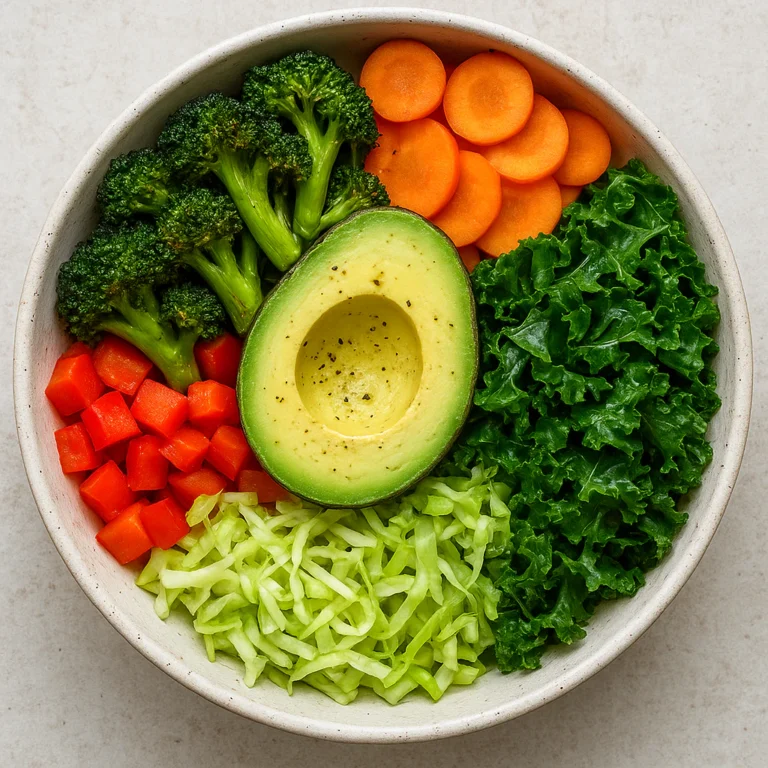
| Low-carb vegetables | Spinach, kale, broccoli, cauliflower, zucchini, mushrooms | Included in many Paleo keto versions; often limited or excluded in strict PKD. |
| Lower-carb fruit | Avocado, olives, small portions of berries | Carb content varies; portion size matters for ketosis. |
| Fats | Avocado, olives, olive oil, avocado oil, animal fats | Strict PKD protocols may reject plant oils, so confirm which version you’re following. |
| Herbs and seasonings | Garlic, ginger, parsley, rosemary, pepper | Check spice blends for sugar, starch, or additives. |
| Drinks | Water, unsweetened tea, plain coffee in some versions | Coffee is not accepted in every strict interpretation. |
For a more complete food guide, browse our Food Lists and Keto-Paleo Dinners. If you’re using a stricter protocol for a health condition, don’t assume a general internet food list matches your clinician’s plan.
Foods to Limit or Avoid
Most Paleo keto versions limit or exclude:
- Grains and grain products: wheat, rice, oats, corn, bread, and pasta.
- Legumes: beans, lentils, chickpeas, peanuts, and soy foods.
- Dairy: milk, yogurt, cheese, cream, butter, and ghee, depending on the version.
- Refined sugar and sweetened drinks.
- High-carbohydrate foods: potatoes, many tropical fruits, and sweets.
- Highly processed foods: especially products with added sugar, starch, or refined oils.
Strict PKD protocols may go further, excluding nuts, seeds, nightshades, most fruits, many vegetables, and plant oils. These restrictions are not standard for every Paleo keto diet, and their claimed benefits should not be treated as established fact.
A food can also be technically “keto” without being nutritious. Packaged keto cookies and bars may fit a carbohydrate limit but still displace whole foods. The FDA’s advice on reading Nutrition Facts labels is a useful reminder to look beyond front-of-package claims.
Are Dairy, Coffee, and Sweeteners Paleo Keto?
It depends on the version. Mainstream Paleo typically excludes dairy, while some ketogenic diets include it because cheese, cream, and butter can be low in carbohydrate. A Paleo keto follower who avoids dairy will need other ways to add flavor and meet energy needs.
Coffee is allowed by many flexible plans but omitted by stricter PKD interpretations. Honey and maple syrup may appear in some Paleo recipes, but they are concentrated sources of sugar and can make it harder to stay within a low-carbohydrate target.
| Food | Flexible Paleo keto | Strict PKD-style versions |
|---|---|---|
| Dairy | Usually avoided, though some people make exceptions | Typically excluded |
| Coffee | Often allowed unsweetened | May be excluded |
| Honey or maple syrup | Usually limited or avoided for ketosis | Rules vary; some versions allow small amounts |
| Non-nutritive sweeteners | Sometimes used, but not required | Often avoided |
If a sweetener becomes the main character in every recipe, it’s probably time to let the ingredients do more of the talking.
📊 Paleo Keto Macros: Carbs, Protein, and Fat
“Ketogenic” describes a metabolic state, not one fixed ratio that works for everyone. Many self-directed keto plans begin by limiting carbohydrates to around 20–50 grams per day, but a person’s response can depend on activity, food choices, and individual metabolism. The Cleveland Clinic’s keto diet overview discusses the common approach and potential drawbacks.
Some popular Paleo keto articles suggest that most calories should come from fat, with moderate protein and very low carbohydrate. For example, the Kiltz Health article gives a proposed range of 75–80% of calories from fat, 15–20% from protein, and 5–10% from carbohydrate. Treat those figures as one suggested framework, not a personalized prescription. A strict PKD protocol’s proposed fat-to-protein ratio is also not a universal keto target.
How Many Carbs Can You Eat?
A practical starting point for many adults is to track total carbohydrate or net carbohydrate consistently, then adjust with a qualified professional if needed. “Net carbs” generally means total carbohydrate minus fiber and, in some commercial calculations, certain sugar alcohols. Labeling and calculation methods can differ, so don’t assume every package uses the same definition.
For lower-carb meal planning:
- Prioritize protein and non-starchy vegetables if your version includes plants.
- Measure portions of fruit, nuts, and starchy vegetables, which can add carbohydrate quickly.
- Check sauces, marinades, and packaged foods for sugar, starch, and sweeteners.
- Assess your experience and health markers, not just a ketone reading.
If you have diabetes and use insulin or a sulfonylurea, significant carbohydrate reduction can increase the risk of hypoglycemia unless medication is adjusted. Speak with your prescribing clinician first. The American Diabetes Association provides general information about carbohydrate and blood glucose management.
Choosing Protein and Healthy Fat Sources
Protein needs vary with body size, age, activity, and health status. A trainer’s nutrition plan for a strength athlete should not be copied wholesale by someone with kidney disease—or by a person who has never lifted anything heavier than a grocery bag.
Consider a mix of:
- Protein: fish, eggs, poultry, and unprocessed meat, according to your food preferences and health needs.
- Fat: avocado, olives, olive oil, fatty fish, or animal fats if included in your plan.
- Plant foods: low-carbohydrate vegetables where permitted, for fiber, variety, and micronutrients.
The National Academies’ Dietary Reference Intakes provide general nutrient reference values, but individual needs can differ. Kidney disease, pregnancy, and some other conditions call for personalized advice.
From our plant-focused kitchen perspective, don’t let “high fat” become “add fat without limit.” Fat is energy-dense. Use it to make meals satisfying, not as a dare to pour olive oil until the salad floats away.
Do You Need to Track Ketones?
Not necessarily. Blood ketone meters, breath analyzers, and urine strips can measure different things, and a higher reading is not automatically proof of better health. Ketone testing may be clinically useful in certain situations, but routine testing is not required for everyone.
If you do measure:
- Blood meters measure beta-hydroxybutyrate in blood.
- Urine strips detect ketones excreted in urine and can become less reflective of blood ketones over time.
- Breath devices estimate acetone in breath; readings depend on the device and conditions.
The National Library of Medicine’s review of ketosis testing describes these methods. If you have diabetes, are pregnant, or take glucose-lowering medication, ask your clinician what, if anything, should be monitored.
✨ Potential Benefits of a Paleolithic Keto Diet
A Paleo keto plan may help some people reduce their intake of refined grains, added sugar, and highly processed snack foods. Depending on what replaces those foods, it may also change appetite, body weight, blood glucose, and blood lipids.
But those outcomes are not guaranteed, and they cannot be credited to one label alone. A person may benefit from eating more whole foods and fewer sugary drinks without needing a highly restrictive diet.
Weight Management and Appetite
Some people find that meals containing adequate protein and fat keep them satisfied. Others find the restrictive rules hard to sustain or experience a rebound when they resume familiar foods. Weight change depends on many factors, including total energy intake, sleep, activity, medications, and health conditions.
For context, the CDC’s guidance on healthy weight emphasizes sustainable lifestyle changes rather than a single diet formula. A supportive plan should leave room for enjoyable meals and everyday life; it shouldn’t turn a birthday dinner into a courtroom proceeding.
Blood Sugar and Metabolic Health
A low-carbohydrate diet can lower post-meal glucose for some people, but medication changes and medical oversight may be needed. The long-term effects of a restrictive Paleo keto plan vary, and the evidence does not establish that a strict PKD protocol is a treatment for diabetes or kidney disease.
The American Diabetes Association’s Standards of Care recognizes individualized eating patterns as part of diabetes management. The best approach depends on a person’s preferences, medication, health history, and ability to follow the plan safely.
Energy, Focus, and Other Possible Effects
Some people report steady energy or fewer cravings after reducing refined carbohydrates. Others experience fatigue, constipation, headaches, poor exercise performance, or irritability during the adjustment period. Personal reports can help us understand lived experience, but they cannot predict what you will feel or prove a diet treats disease.
In our coaching experience, the routine often matters as much as the food rules: regular meals, adequate fluids, sensible training progression, and enough sleep. A tough workout is not the time to discover that lunch was two olives and an optimistic cup of coffee.
What the Research Can—and Cannot—Tell Us
A case report describes one or a few people; it can raise questions but cannot prove cause and effect. The 2016 report of an adolescent with Crohn’s disease is a notable example: the authors described improvement while the patient followed a strict PKD-style plan, but it does not show that the diet is a proven Crohn’s treatment.
Keto-Mojo’s article quotes the PKD claim that it “combines these two diets to get the benefits of both.” That is the advocates’ rationale, not a finding established by high-quality comparative trials. Likewise, the case report’s authors wrote that the diet “was effective while producing no side effects in this case.” That wording applies to the individual reported, not to every patient.
When evaluating a nutrition claim, ask:
- Was the evidence a randomized controlled trial, observational study, or case report?
- Who conducted the study, and how many participants were involved?
- Were health outcomes measured objectively?
- Could medication, other treatment, or natural changes explain the result?
- Do independent studies support the same conclusion?
For treatment decisions, prioritize clinical guidelines and guidance from your own healthcare team over testimonials or online success stories.
⚠️ Is Paleo Keto Safe? Risks and Who Should Be Cautious
A restrictive diet can reduce food variety and make it harder to meet nutrient needs. It may also affect blood glucose, cholesterol, digestion, medication requirements, and exercise tolerance. Safety depends on the version, duration, food quality, and your medical history.
Consult a qualified healthcare professional before starting Paleo keto if you have diabetes, kidney or liver disease, a history of disordered eating, cardiovascular disease, are pregnant or breastfeeding, or take medication that affects glucose, blood pressure, or fluid balance. The National Kidney Foundation’s nutrition guidance emphasizes that nutrition needs in kidney disease are individualized.
Common Side Effects and the Keto Adaptation Period
Some people report symptoms commonly called “keto flu,” including headache, tiredness, light-headedness, nausea, constipation, and reduced exercise performance. These symptoms can have multiple causes; don’t assume every unpleasant symptom is a harmless adaptation phase.
Helpful basics include:
- Stay hydrated according to thirst and medical advice.
- Increase activity gradually while you adjust.
- Include fiber-rich low-carbohydrate vegetables if your chosen version allows them.
- Seek medical advice for persistent or severe symptoms, fainting, vomiting, confusion, or unusual weakness.
The Harvard T.H. Chan School of Public Health’s keto diet review discusses potential short- and long-term concerns. Electrolyte supplements are not automatically necessary; people with kidney, heart, or blood-pressure conditions should not self-prescribe large amounts of sodium or potassium.
Nutrients to Watch on a Grain-Free, Dairy-Free Diet
Excluding food groups can reduce common sources of fiber and nutrients. Depending on the foods you eat, nutrients to review with a dietitian may include:
- Fiber, particularly if vegetables, nuts, seeds, and fruit are heavily restricted.
- Calcium and vitamin D, if dairy and fortified alternatives are excluded.
- Folate and other B vitamins, depending on food variety.
- Magnesium and potassium, especially if overall food intake becomes very limited.
- Vitamin C, if fruit and vegetables are largely eliminated.
These nutrients do not automatically become deficient on Paleo keto, but a highly restrictive menu deserves a closer look. The NIH Office of Dietary Supplements offers fact sheets on essential vitamins and minerals. Avoid megadose supplements without clinical advice; more is not always merrier.
Who Should Consult a Health Professional First?
Get professional guidance before starting if you:
- Use insulin, sulfonylureas, blood pressure medicine, or diuretics.
- Have chronic kidney, liver, pancreatic, or gallbladder disease.
- Are pregnant, breastfeeding, under 18, or frail.
- Have a history of eating disorders or significant dietary restriction.
- Are being treated for epilepsy, cancer, inflammatory bowel disease, or another serious condition.
- Have a rare disorder that affects fat metabolism.
The National Institute of Diabetes and Digestive and Kidney Diseases recommends choosing eating plans that are safe and tailored to your circumstances. The Keto-Mojo PKD guide likewise cautions that people with disease or taking medication should not undertake the protocol alone. That is a sensible safety principle, even if you choose a less restrictive plan.
🚀 How to Start a Paleo Keto Diet
Before changing your pantry, answer three questions: What is your reason for trying it? Which version do you mean? Who will help you monitor safety? A plan built for personal preference differs from a medically supervised ketogenic therapy.
Set Your Goals and Choose a Starting Carb Target
- Write down your goal. Examples might include trying a lower-carbohydrate eating pattern or reducing reliance on sweetened snacks. Avoid treating a diet as a substitute for medical care.
- Choose a version. Decide whether you’ll include low-carb vegetables, fruit, eggs, nuts, or plant oils.
- Review medications and health conditions. Ask your clinician whether adjustments or monitoring are needed.
- Select a realistic carbohydrate target. If you track, use a consistent method and avoid treating a number as a moral grade.
- Set a review date. Reassess symptoms, food variety, exercise, and health measures instead of following rules indefinitely by default.
For structured planning ideas, see our Keto-Paleo Diet Plans.
Build Balanced Paleo Keto Meals
For a flexible, plant-inclusive Paleo keto meal, use this template:
- Protein: fish, eggs, poultry, or meat.
- Low-carb vegetables: leafy greens, broccoli, cauliflower, zucchini, or mushrooms.
- Fat for flavor and satiety: avocado, olives, or an oil accepted in your chosen version.
- Optional garnish: herbs, lemon, or a small portion of berries.
A simple plate might be grilled salmon, sautéed spinach, cauliflower, and avocado. Strict PKD plans may not include those plant ingredients, so this template does not represent every PKD protocol.
For practical recipes, browse Keto-Paleo Breakfasts and Keto-Paleo Dinners.
Electrolytes, Hydration, and Exercise
A sudden drop in carbohydrate intake can change fluid balance. Drink according to thirst and your clinician’s advice; more water is not automatically better, particularly for people with conditions that limit fluid intake.
For exercise:
- Reduce intensity briefly if you feel unusually fatigued.
- Keep strength training progressive, not punishing.
- Prioritize recovery, sleep, and adequate food intake.
- Stop and seek medical advice if you experience concerning symptoms.
Athletes and people with physically demanding jobs may need a different carbohydrate strategy than someone with low activity. If your training feels like pushing a shopping cart with a square wheel, reassess the plan rather than blaming your motivation.
🛒 Paleo Keto Shopping and Meal-Prep Tips
A calm grocery trip starts with a clear version of the diet. Otherwise, the “Is this allowed?” debate can follow you down every aisle like a very persistent shopping cart.
How to Read Labels for Hidden Sugars and Starches
Check both the ingredient list and Nutrition Facts panel. Look for:
- Added sugar, syrup, honey, or concentrated juice.
- Starch, flour, maltodextrin, and other carbohydrate sources.
- Sauces or spice blends with sugar.
- Processed meats with unexpected fillers or sweeteners.
- “Keto” marketing that distracts from portion size or ingredient quality.
The FDA explains how to use Nutrition Facts labels. For packaged foods, the ingredient list is especially useful when the front label is making enthusiastic promises.
Budget-Friendly Staples and Smart Swaps
- Use frozen vegetables if your version includes them; they can be convenient and reduce food waste.
- Plan around versatile proteins, such as eggs, canned fish, or family-size cuts of meat.
- Cook once, use twice: roast a protein for dinner and reuse leftovers in lunch bowls.
- Choose seasonal produce for flexible Paleo keto menus.
- Skip specialty “keto” products when simpler whole-food ingredients will do.
For plant-forward eaters, a strict PKD menu may be a poor fit because affordable staples such as beans and lentils are excluded. A less restrictive low-carb plan may offer more variety and better match your values and routine.
🍽️ Paleo Keto Meal Plan and Recipe Ideas
These examples suit a flexible, plant-inclusive Paleo keto style; they are not templates for strict PKD. Adapt portions and ingredients to your medical needs, hunger, and chosen carbohydrate target.
A Sample One-Day Paleo Keto Menu
| Meal | Example | Why it works for a flexible version |
|---|---|---|
| Breakfast | Eggs with spinach, mushrooms, and avocado | Protein plus low-carb vegetables and satisfying fat |
| Lunch | Salmon salad with leafy greens, cucumber, olives, and lemon | Fish, non-starchy vegetables, and simple seasoning |
| Dinner | Roast chicken with cauliflower and sautéed greens | Familiar ingredients that can be meal-prepped |
| Optional snack | A boiled egg or a few olives | Convenient, but snacks are not required if you’re satisfied |
This is an idea menu, not a personalized prescription. Adjust it to your appetite, activity, and clinician’s advice.
Breakfast, Lunch, Dinner, and Snack Ideas
- Breakfast: eggs with herbs and greens; leftover salmon with avocado; or a vegetable omelet.
- Lunch: chicken salad lettuce cups; sardines with cucumber and olives; or a beef-and-grens bowl.
- Dinner: baked salmon with zucchini; roast lamb with cauliflower; or turkey-stuffed peppers if peppers fit your version.
- Optional snacks: boiled eggs, leftover protein, olives, or avocado.
For more inspiration, explore Keto-Paleo Breakfasts, Keto-Paleo Dinners, and our Food Lists.
Paleo Keto Oven Meat Stew
This flexible stew includes vegetables, so it’s not a strict PKD recipe. For a more restrictive protocol, follow the specific food list supplied by your clinician.
Ingredients
- 1½ pounds beef stew meat
- 2 tablespoons olive oil or another fat permitted in your version
- 1 small onion, sliced (optional; contributes carbohydrate)
- 2 celery stalks, chopped
- 1 cup mushrooms, halved
- 2 cups chopped zucchini or cauliflower
- 2 cups unsalted broth
- 1 teaspoon dried thyme
- Salt and pepper to taste
Instructions
- Heat the oven to 325°F (163°C).
- Brown the beef in a heavy oven-safe pot. Transfer it to a plate.
- Add onion, celery, and mushrooms; cook until softened.
- Return the beef to the pot. Add broth, thyme, salt, and pepper.
- Cover and bake for about 2 hours, until the beef is tender.
- Add zucchini or cauliflower for the final 25–35 minutes, until cooked through.
- Taste and adjust seasoning. Serve warm, and refrigerate leftovers promptly.
🏃 Living Paleo Keto: Exercise, Eating Out, and Travel
You can make a restrictive eating pattern easier away from home, but flexibility matters. A few practical moves:
- At restaurants: ask how food is prepared and request sauces or sweet dressings on the side.
- While traveling: pack a simple backup snack if appropriate for your health plan.
- For training: carry a meal or snack that fits your chosen version and feels comfortable before exercise.
- For social events: decide in advance which food rules matter most to you, rather than improvising while hungry.
If the diet makes social meals stressful or training consistently miserable, that is useful feedback. The most “ancestral” plan in the world is not automatically the best plan for your actual life.
⏱️ Paleo Keto, Intermittent Fasting, and Meal Timing
Some PKD advocates recommend eating when hungry and drinking when thirsty, and report that followers may eat once or twice daily. That is a protocol preference, not a requirement for ketosis. You do not need to fast to make Paleo keto work.
Intermittent fasting may be inappropriate for people who are pregnant, breastfeeding, under 18, have a history of disordered eating, or use medication that can cause low blood sugar. The National Institute on Aging’s review of intermittent fasting notes that research is developing and that safety depends on individual circumstances.
Start with regular, adequate meals. If you are considering fasting, discuss it with a clinician first, especially if you have a medical condition or take medication.
🧪 Testing Your Progress and Measuring Metabolic Health
Progress is broader than a ketone number. Consider tracking how you feel, whether meals are sustainable, your exercise recovery, and any health markers your clinician recommends.
Blood, Breath, and Urine Ketone Tests
| Test | What it measures | Practical limitation |
|---|---|---|
| Blood meter | Beta-hydroxybutyrate in blood | Requires a finger-prick and consistent testing conditions |
| Urine strip | Ketones excreted in urine | Can become less representative as the body adapts |
| Breath device | Acetone in breath | Device readings and interpretation vary |
A PKD article may propose specific glucose or ketone targets, but those are not general targets for everyone. Do not chase a number without medical guidance, particularly if you have diabetes or another condition affecting glucose regulation.
Useful Health Markers to Discuss With Your Clinician
Depending on your health history, a clinician may discuss:
- Blood pressure and weight trends.
- Blood glucose or HbA1c.
- Blood lipids.
- Kidney and liver function.
- Medication requirements.
- Symptoms, bowel habits, and exercise tolerance.
- Nutrient adequacy if the food list is highly restricted.
Use testing to make informed decisions, not to turn every meal into a lab experiment.
🤰 Paleo Keto During Pregnancy and Breastfeeding
Pregnancy and breastfeeding change nutrient and energy needs. A strict ketogenic or highly restrictive Paleo plan should not be started during these stages without specialist guidance. The ACOG guidance on nutrition during pregnancy emphasizes a varied eating pattern and essential nutrients.
If you have gestational diabetes, work with your obstetric and diabetes-care team on an individualized plan. Do not independently reduce carbohydrates or change medication; both maternal and fetal needs must be considered.
🧓 Paleo Keto, Longevity, and Healthy Aging
There is no strong evidence that a Paleolithic keto diet extends human lifespan. Research on ketogenic diets and aging is still developing, and findings from animals or small studies cannot be assumed to apply to everyone.
For healthy aging, the National Institute on Aging highlights balanced nutrition and healthy habits. A restrictive plan that excludes many fiber-rich foods may not suit every older adult, especially if appetite, medication, digestion, or muscle maintenance is a concern. Ask a clinician or dietitian to help protect adequate protein and overall nutrition.
❓ Paleo Keto Frequently Asked Questions
Can you follow a plant-based Paleo keto diet?
You can create a plant-inclusive, low-carbohydrate Paleo-style plan, but a fully plant-based version is difficult to reconcile with both traditional Paleo exclusions and ketogenic carbohydrate limits.
Many plant-based protein staples—beans, lentils, soy foods, and whole grains—are typically excluded from Paleo diets and can be too high in carbohydrate for some ketogenic plans. Nuts, seeds, and certain vegetables may be permitted in flexible versions but are prohibited in some strict PKD protocols.
If you eat fully plant-based, consider working with a registered dietitian familiar with both plant-based and low-carbohydrate nutrition. Do not rely on coconut oil and lettuce to somehow cover every nutritional need. The Academy of Nutrition and Dietics discusses planning a nutritionally adequate vegetarian or vegan diet.
What are some plant-based recipes for a Paleo keto diet?
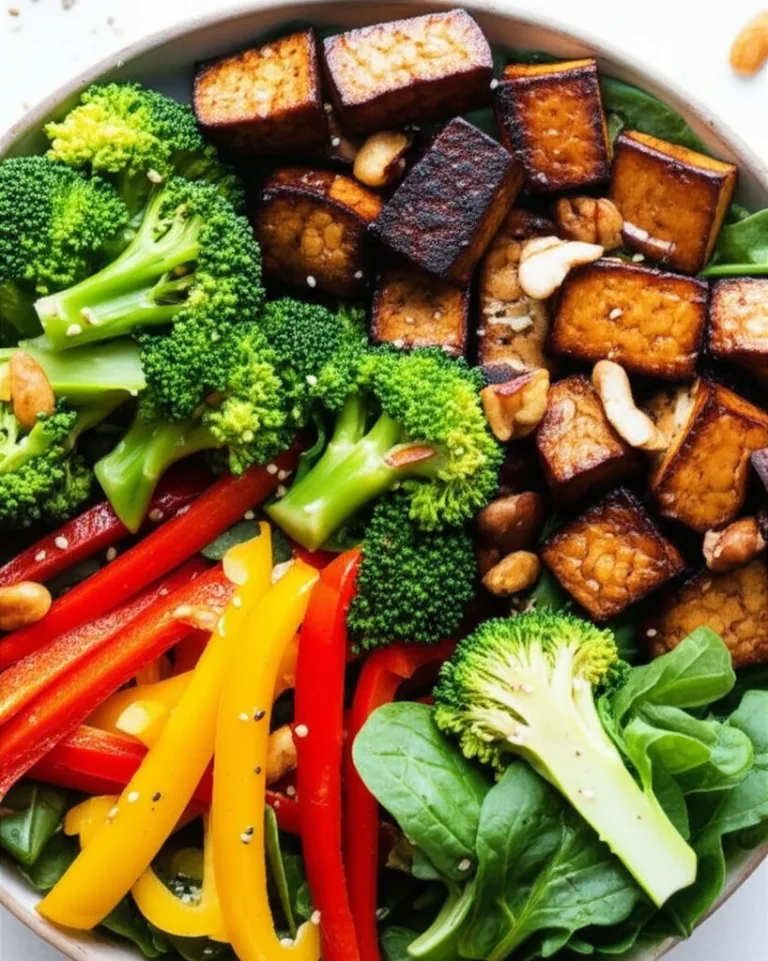
For a plant-inclusive version, ideas include avocado-and-grens bowls, cauliflower mash with mushrooms, zucchini noodles with herbs, and salads topped with olives and a protein source that fits your diet. Fully plant-based recipes may require ingredients that strict Paleo keto excludes, such as tofu, tempeh, legumes, or grains.
For recipe inspiration, see our Keto-Paleo Breakfasts and Keto-Paleo Dinners.
Which plant-based foods are allowed on a Paleo keto diet?
In flexible versions, commonly included options are avocado, olives, leafy greens, broccoli, cauliflower, zucchini, mushrooms, herbs, and small portions of berries. The amount you can eat depends on your carbohydrate target and personal tolerance.
Strict PKD food lists may exclude many or all plant foods, including nuts, seeds, and plant oils. Check the precise protocol you are following instead of assuming every “Paleo keto” list applies.
How do you get enough protein on a plant-based Paleo keto diet?
This is the central challenge. Beans, lentils, soy, and many protein-rich grains are common plant-based protein sources, but they are usually excluded from Paleo and may not fit strict keto carbohydrate limits. Nuts and seeds can contribute protein in some flexible versions, though they are not accepted in all PKD protocols.
A plant-based eater should consult a registered dietitian to assess protein quantity, amino acid variety, and nutrients such as iron, calcium, vitamin B12, and omega-3 fats. If the plan cannot meet your nutrition needs without unacceptable restrictions, a less restrictive low-carbohydrate eating pattern may be a better fit.
Is Paleolithic keto the same as the Paleolithic ketogenic diet?
Not always. “Paleo keto” is often used broadly for a ketogenic diet that avoids foods such as grains, legumes, and dairy. “Paleolithic ketogenic diet” or PKD may refer to a more specific and restrictive protocol, often animal-food-focused.
Check the actual food rules and clinical oversight behind a plan. The label alone does not tell you whether it includes vegetables, eggs, nuts, or plant oils.
Can Paleo keto treat Crohn’s disease, cancer, or kidney disease?
Do not treat it as a proven therapy for these conditions. Case reports and practitioner claims cannot establish that a diet cures or controls disease. A person with Crohn’s disease in a published report improved while following a strict PKD-style diet, but that single case does not prove the diet caused the outcome or that it is safe for others.
People with kidney disease, cancer, inflammatory bowel disease, or other serious conditions should discuss dietary changes with their specialist and a registered dietitian. Do not stop medication or delay treatment based on an online story. The National Cancer Institute provides information on dietary approaches and cancer care.
Do you need supplements on a Paleo keto diet?
Not automatically. Whether you need a supplement depends on your food choices, health status, medications, and laboratory results. A plan excluding dairy, fruit, and most vegetables deserves particular attention to nutrient adequacy.
Ask a clinician or registered dietitian to review your intake before adding supplements. The NIH Office of Dietary Supplements provides evidence-based information about vitamins and minerals.