Support our educational content for free when you buy through links on our site. Learn more
What Fruits Are Allowed on Paleo Keto? 🍓

What fruits are allowed on the paleo keto diet? Avocado and olives are easy low-carb picks, while blackberries, raspberries, strawberries, and small portions of other fruits can fit when their carbs stay within your daily target. Paleo generally allows fruit; keto makes portion size and carbohydrate count the deciding factors.
That distinction clears up a common kitchen puzzle: a fruit can be perfectly paleo and still be tricky for strict keto. We’ve seen a small handful of berries brighten breakfast, while an unmeasured bowl quietly turns into a much bigger carb serving than planned.
The simplest approach? Choose whole fruit, measure portions at first, and check reliable nutrition data or product labels. “Natural” doesn’t mean carb-free, and “paleo-approved” doesn’t automatically mean keto-friendly.
Key Takeaways
- Best low-carb fruit options: Avocado and olives are practical savory choices; blackberries, raspberries, and strawberries can fit in measured servings.
- Portions matter: Blueberries and sweeter fruits such as bananas, grapes, and mangoes can use up a strict keto carb budget quickly.
- Choose whole fruit: Juice, dried fruit, and sweetened fruit products are concentrated or easy to overconsume.
- Check the numbers: Carb counts vary by fruit size, serving weight, ripeness, and product. Use USDA FoodData Central or the package label.
- Keep the two diet rules straight: Paleo focuses on food choices; keto focuses heavily on carbohydrate intake. A fruit may fit one approach more easily than the other.
Table of Contents
- ⚡️ Quick Tips and Facts: Paleo Keto Fruit at a Glance
- 🍓 What Fruits Can You Eat on a Paleo Keto Diet?
- How “Paleo” and “Keto” Change the Fruit List
- The Best Low-Carb Fruits for Paleo Keto
- 1. Avocado: The Low-Carb Fruit That Eats Like a Vegetable
- 2. Olives: Savory, Paleo-Friendly, and Low in Net Carbs
- 3. Blackberries: A Berry with a Manageable Carb Count
- 4. Raspberries: Fiber-Rich and Easy to Portion
- 5. Strawberries: Sweet Flavor in a Modest Serving
- 6. Blueberries: Nutritious, but Easier to Overeat
- 7. Coconut: Choosing Unsweetened Paleo Keto Options
- 8. Lemon and Lime: Big Flavor, Few Carbs per Squeeze
- 9. Other Fruits: Small Portions, Careful Carb Counting
- 📊 Fruit Net-Carb Chart: Compare Serving Sizes
- Total Carbs vs. Net Carbs: What Should You Count?
- 🚫 Fruits to Limit or Avoid on Paleo Keto
- High-Sugar Fruits and Large Portions
- Dried Fruit, Juice, and Sweetened Fruit Products
- 🥑 Paleo Keto Food Rules: How Fruit Fits the Bigger Picture
- Keto Diet Basics: Carbs, Fat, and Ketosis
- Paleo Diet Basics: Whole Foods and Foods to Skip
- Paleo Keto Similarities: Where the Diets Overlap
- Paleo Keto Differences: Where the Rules Don’t Match
- Paleo Keto Food List: Fruit, Vegetables, Dairy, and More
- Starchy Vegetables and Other Carb-Dense Produce
- Dairy: Why Strict Paleo and Keto Often Differ
- Sweeteners and Sugar: Natural Doesn’t Mean Carb-Free
- Processed Meat: Reading Labels on a Paleo Keto Diet
- 🍽️ How to Eat Fruit Without Exceeding Your Keto Carb Limit
- Build a Paleo Keto Plate with Fruit
- Smart Pairings for Snacks, Breakfast, and Dessert
- Fresh, Frozen, Canned, or Dried: Which Fruit to Choose
- Shopping and Meal-Prep Tips for Low-Carb Fruit
- 🧭 Background: How Paleo Keto Became a Low-Carb Way to Eat
- ⚠️ Side Effects and Who Should Get Medical Advice
- Possible Effects of Cutting Carbs or Changing Fiber Intake
- When to Talk with a Healthcare Professional
- 🔎 How We Reviewed Paleo Keto Fruit Guidance
- ✅ Conclusion
- 🔗 Recommended Links
- ❓ FAQ
- Can you eat fruit every day on paleo keto?
- What is the lowest-carb fruit for a paleo keto diet?
- Are bananas allowed on paleo keto?
- Are apples, grapes, and oranges keto-friendly?
- Can fruit knock you out of ketosis?
- Can you eat fruit on paleo without following keto?
- 📚 Reference Links
⚡️ Quick Tips and Facts: Paleo Keto Fruit at a Glance
For our full overview of the eating pattern, start with our keto paleo diet guide. The short answer: choose whole, lower-carb fruits in portions that fit your personal carbohydrate target. Paleo generally includes fruit; keto asks you to budget its carbohydrates.
| Fruit | Practical starting portion | Why it may fit | Watch for |
|---|---|---|---|
| Avocado | ½ medium | Low in digestible carbohydrate; filling and versatile | Serving size and your app’s carb data |
| Olives | A small handful | Savory, low-carb fruit option | Brine and added ingredients can add sodium |
| Blackberries | ¼–½ cup | Fiber-rich berry with a relatively modest carb count | Portions can creep up by the handful |
| Raspberries | ¼–½ cup | Tart, flavorful, and fiber-containing | Check your specific portion |
| Strawberries | ¼–½ cup | Sweet taste with a manageable small serving | Large bowls add up |
| Blueberries | ¼ cup to start | Nutrient-rich and easy to add to breakfast | More carbohydrate-dense than many berries |
| Unsweetened coconut | A small measured portion | Adds texture and richness | Sweetened flakes and coconut products |
| Lemon or lime | A squeeze or wedge | Adds brightness with little fruit used | Juice by the glass is not the same as a squeeze |
The figures in food databases vary with fruit size, ripeness, serving weight, and whether the entry is raw or processed. Treat portions as a starting point, then check the label or a trusted nutrient database such as USDA FoodData Central.
A useful rule of thumb:
- ✅ Choose whole fruit rather than juice or dried fruit.
- ✅ Measure the portion at first, especially with berries and coconut.
- ✅ Count fruit as part of your daily carb budget if ketosis is your goal.
- ❌ Don’t assume “natural,” “paleo,” or “low-sugar” means carbohydrate-free.
- ❌ Don’t treat net carbs as a magic number that works identically for everyone.
The surprise? One fruit that people often think of as a vegetable can be a more practical keto choice than a bowl of berries. We’ll get to that avocado in a moment.
🍓 What Fruits Can You Eat on a Paleo Keto Diet?
The most reliable overlap between paleo and keto is whole, minimally processed fruit in modest portions, especially avocado, olives, berries, coconut, and citrus used for flavor. The right amount depends on your personal carbohydrate target and how strictly you’re aiming to maintain ketosis.
Fruit is not automatically “off-limits” on keto. But unlike a broad paleo food list, keto asks a second question: How many carbohydrates does this serving contribute? Medical News Today similarly distinguishes the approaches, noting that keto generally favors “only lower sugar fruits, and only in small amounts.” See its overview of keto-friendly foods for another perspective.
How “Paleo” and “Keto” Change the Fruit List
Paleo is primarily a food-choice framework; keto is primarily a carbohydrate-restriction framework. Strict paleo typically excludes grains, legumes, and dairy, while allowing fruit. A ketogenic plan limits carbohydrate enough to encourage nutritional ketosis, though an individual’s threshold differs.
| Food | Paleo fit | Keto fit | Practical takeaway |
|---|---|---|---|
| Whole berries | Usually yes | Often, in measured portions | A useful shared option |
| Avocado and olives | Usually yes | Often excellent fits | Low-carb, savory choices |
| Banana, mango, grapes | Usually yes | Difficult to fit in larger portions | Consider small servings or save for a less restrictive plan |
| Fruit juice and sweetened dried fruit | Whole-food versions are not equivalent | Often carb-dense and easy to overconsume | Usually poor choices for strict keto |
| Unsweetened coconut | Usually yes | Portion-dependent | Check the product and measure it |
Paleo permission does not automatically equal keto compatibility. A resource such as Our Paleo Life’s keto food list includes a broad range of fruits, but a list without serving sizes or carbohydrate counts can’t tell you which portions fit your own plan. We trust the arithmetic over a long “approved foods” list: the same fruit can fit at one serving size and exceed a tight carb budget at another.
The Best Low-Carb Fruits for Paleo Keto
Here’s our plant-forward shortlist:
- Avocado: creamy, savory, and easy to add to meals.
- Olives: convenient for salads, snacks, and Mediterranean-style plates.
- Blackberries and raspberries: naturally tart and relatively fiber-rich.
- Strawberries: a sweet option in a measured portion.
- Blueberries: nutritious, but easier to over-serve.
- Unsweetened coconut: a distinctive flavor and texture; check labels carefully.
- Lemon and lime: particularly useful as seasoning rather than as a large fruit serving.
These are not “unlimited” foods. For exact counts, weigh the portion or use a consistent measuring cup and compare with USDA FoodData Central. If you’re building a broader routine, browse our food lists and keto-paleo diet plans.
1. Avocado: The Low-Carb Fruit That Eats Like a Vegetable
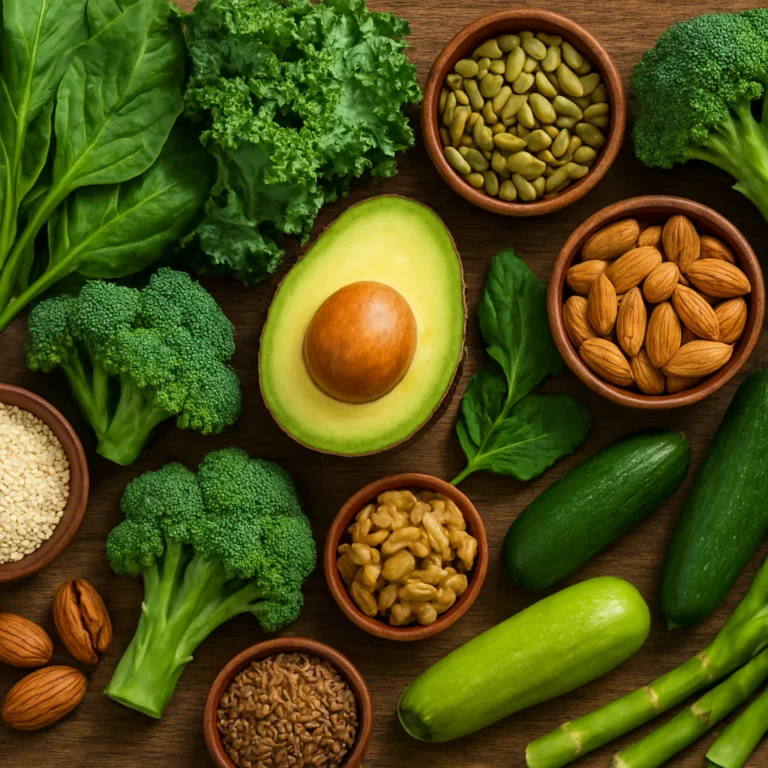
Botanically, avocado is a fruit. At the table, we treat it like a vegetable: it’s mild, creamy, and at home in savory dishes. Its fiber and fat make it a particularly useful plant-based ingredient for a paleo keto plate.
- Mash it with lemon or lime, salt, and herbs for a quick topping.
- Add slices to leafy greens or a vegetable bowl.
- Blend it into a creamy dressing with herbs and water.
- Pair it with eggs or a plant-based protein, depending on your eating style.
The first video featured in this article also calls avocado a “keto superstar” and highlights its very low net-carb count. That’s a helpful description, but nutrient figures depend on the avocado’s size and the database entry. See the featured video and verify portions against USDA FoodData Central.
Trainer’s kitchen note: We’ve found that avocado works best as a satisfying meal ingredient rather than a free-pour snack. A whole large avocado can be a generous portion; use the amount that fits your appetite and carb tracking.
2. Olives: Savory, Paleo-Friendly, and Low in Net Carbs
Olives are botanically fruits, though nobody is likely to confuse one with a dessert. They’re a useful way to bring salty, briny flavor to a plant-forward keto meal without relying on a sweet fruit serving.
Try them in:
- A chopped salad with cucumber, leafy greens, and herbs
- A cauliflower rice bowl
- A snack plate with avocado and sliced vegetables
- A simple olive, tomato, and fresh-herb topping
Olives vary in sodium depending on how they’re cured and packed. If sodium matters for your health, compare labels and choose products that suit your needs. The American Heart Association’s sodium guidance provides context on why label-reading can matter.
Watch the ingredient list: olives packed with sweet marinades or flavored sauces may include added sugar. Plain olives from brands such as California Olive Ranch or Divina are easier to assess. Product formulas change, so check the jar rather than trusting the front label.
3. Blackberries: A Berry with a Manageable Carb Count
Blackberries bring tartness, color, and fiber to a small serving. They’re often a practical berry choice for keto, though they still contribute carbohydrate, so a bowl can add up faster than the word “berry” suggests.
Good uses include:
- A measured topping for coconut chia pudding
- A few berries alongside breakfast
- A small portion folded into a leafy salad
- Frozen berries blended with unsweetened coconut milk, without added sweetener
The featured video estimates around 6 net grams per cup and nearly 8 grams of fiber, but this is a rough serving estimate, not a universal value. Fruit size and serving weight matter; check the exact amount in USDA FoodData Central.
Our practical move: portion blackberries into a small bowl before sitting down to snack. Eating them straight from the punet is how “just a few” becomes a berry summit.
4. Raspberries: Fiber-Rich and Easy to Portion
Raspberries have a bright, tangy flavor that can make a small serving feel more substantial. They’re a natural fit for a paleo keto breakfast bowl or a simple dessert, especially when paired with something unsweetened.
Try:
- ¼ cup over unsweetened coconut yogurt
- A few raspberries with chia pudding
- A small handful with chopped nuts, if nuts suit your plan
- A spoonful mashed into sparkling water for a light fruit accent
The featured video gives an estimate of about 1.5 net grams per ¼ cup. Counts differ with weight and source, so use the USDA nutrient database or the packaging for your actual portion.
Texture tip: frozen raspberries soften quickly. Fold them in at the end rather than stirring vigorously if you want whole berries instead of a cheerful pink puddle.
5. Strawberries: Sweet Flavor in a Modest Serving
Strawberries provide a familiar sweet taste, but the serving still matters on keto. A few sliced berries can add color to breakfast; a large bowl can take up a larger share of your carb allowance.
- Slice them over a small portion of unsweetened coconut yogurt.
- Combine with a few raspberries for a mixed-berry topping.
- Serve alongside a meal rather than turning them into a large juice or smoothie.
- Choose plain fresh or frozen strawberries; avoid sweetened versions.
The featured video estimates roughly 2 net grams per ¼ cup. Treat that as a ballpark and compare by weight with USDA FoodData Central. If you’re planning low-carb mornings, our keto-paleo breakfast ideas can help you build a satisfying plate around a measured fruit portion.
6. Blueberries: Nutritious, but Easier to Overeat
Blueberries are delicious, convenient, and notably sweeter than many other berries. That sweetness doesn’t make them unhealthy; it does mean a large serving can contribute more carbohydrate than you expect.
The first video estimates about 17 net grams per cup and recommends starting with ¼ or ½ cup. The exact count varies by cup weight and database entry, so weigh your portion when precision matters. A small amount can still lend plenty of color and flavor.
Trainer-approved portion trick: sprinkle blueberries over a bowl instead of using them as the whole bowl. This keeps the berry flavor while leaving room for lower-carb ingredients such as chia, nuts, seeds, or unsweetened coconut.
7. Coconut: Choosing Unsweetened Paleo Keto Options
Coconut is a versatile paleo ingredient, but “coconut” on a package can mean several different things: fresh meat, dried flakes, canned coconut milk, coconut cream, or sweetened shredded coconut. Those products are not interchangeable.
| Coconut product | What to check | Paleo keto tip |
|---|---|---|
| Fresh coconut meat | Serving size and total carbohydrate | Use a measured portion |
| Unsweetened flakes | Ingredients and serving size | Choose plain, unsweetened products |
| Sweetened shredded coconut | Added sugar | Usually skip for strict keto |
| Canned coconut milk | Added sugar and additives | Choose unsweetened; compare labels |
| Coconut beverage | Whether it is a drink or cooking product | Check carbs and ingredients |
The featured video estimates about 2.5 net grams per ½ cup of coconut meat. That figure depends on the product and portion. For packaged options, check the label and choose simple ingredients; Let’s Do Organic and Thai Kitchen offer coconut products, but formulations vary by item.
Plant-based caution: coconut milk and coconut cream can make a dish richer, but they are not nutritional twins of dairy milk. Use them for flavor and texture, not as a claim that every recipe has the same nutrient profile.
8. Lemon and Lime: Big Flavor, Few Carbs per Squeeze
Lemon and lime are flavor tools. A squeeze can brighten vegetables, dressings, sparkling water, and avocado without requiring a large fruit portion.
Ideas to try:
- Lemon juice, olive oil, and herbs over roasted vegetables
- Lime zest in guacamole or cauliflower rice
- A wedge squeezed over a salad just before serving
- Citrus zest in a small berry dessert
The featured video describes a squeeze as adding less than ½ gram of net carbs, but a full serving of juice is different from a wedge. Check your amount using USDA FoodData Central if you’re tracking closely.
Small but useful distinction: lemon and lime juice can be low-carb in typical seasoning amounts, but a glass of citrus juice contains much more fruit than a squeeze. Whole fruit, juice, and flavoring shouldn’t be counted as the same thing.
9. Other Fruits: Small Portions, Careful Carb Counting
Peaches, plums, apricots, cranberries, apples, and melon may fit some flexible low-carb plans in small amounts. They’re not automatically suitable for strict keto. Their fit depends on portion size and your daily target.
| Fruit | Why portions deserve attention | A cautious way to test it |
|---|---|---|
| Apple or pear | A whole fruit can use a sizable portion of a strict carb budget | Measure a small slice portion and count it |
| Peach, plum, or apricot | Sweetness and size vary | Choose a small portion and check the data |
| Cranberries | Fresh and dried forms differ greatly | Use fresh unsweetened berries; avoid sweetened dried cranberries |
| Melon | Easy to serve in a large bowl | Measure a small portion |
| Tomato | Botanically a fruit, commonly used as a vegetable | Count it as part of the meal’s carbohydrate |
Medical News Today lists small amounts of some fruits such as apples, peaches, apricots, and plums as options to consider. That advice is best understood as portion-dependent, not as a guarantee that a typical serving fits every keto plan. For fruit-specific nutrition, check USDA FoodData Central.
A broad fruit list, like the one at Our Paleo Life, can be useful for brainstorming. But if it doesn’t give a portion and carb count for each item, use it as an idea list—not as a strict-keto pass.
📊 Fruit Net-Carb Chart: Compare Serving Sizes
These figures are approximate, drawn from commonly used food-database entries and product labels. Fruit weight, ripeness, variety, and preparation change the numbers. Use USDA FoodData Central for the closest match to your actual food.
| Fruit or fruit product | Example portion | Approximate net-carb range | Keto usefulness |
|---|---|---|---|
| Avocado | ½ medium | Low; varies with size | ⭐⭐ |
| Olives | Small handful | Low; check product and portion | ⭐⭐ |
| Blackberries | ¼ cup | Low to moderate | ⭐⭐ |
| Raspberries | ¼ cup | Low to moderate | ⭐⭐ |
| Strawberries | ¼ cup | Low to moderate | ⭐⭐ |
| Blueberries | ¼ cup | Moderate for a small serving | ⭐ |
| Coconut meat | ½ cup | Product-dependent | ⭐⭐ |
| Lemon or lime juice | 1 tablespoon | Very low | ⭐⭐ as seasoning |
| Banana | ½ medium | Relatively high for strict keto | ⭐ |
| Grapes | ½ cup | Relatively high for strict keto | ⭐ |
| Mango | ½ cup | Relatively high for strict keto | ⭐ |
Why ranges instead of false precision? A “cup” can hold different fruit weights, and an avocado can be small or enormous. Packaged coconut products also vary. If you’re aiming for a tight carbohydrate limit, weigh the portion and use the label or database entry for that exact food.
Total Carbs vs. Net Carbs: What Should You Count?
Total carbohydrate includes fiber. Net carbohydrate is commonly calculated by subtracting fiber from total carbohydrate; some people also subtract certain sugar alcohols. The method is widely used in low-carb communities, but it is not a guarantee that every product or person responds the same way.
- For basic tracking: be consistent. Don’t switch between total and net carbs without noticing.
- For packaged foods: read the full nutrition panel, ingredients, and serving size.
- For individual responses: ask a qualified clinician or dietitian if you need medically guided tracking.
- For high-fiber whole fruits: fiber is one reason whole fruit differs from juice, but it doesn’t make the carbohydrate disappear from every tracking system.
The FDA Nutrition Facts label guide explains how to read packaged-food labels. The Academy of Nutrition and Dietics also describes ketogenic diets and their trade-offs. If you use a tracking app, verify entries against the package or a reliable database rather than trusting a crowd-entered listing blindly.
🚫 Fruits to Limit or Avoid on Paleo Keto
You don’t need to label fruit “bad.” The more useful question is whether a serving fits your goals. For strict keto, large portions of higher-carb fruit and concentrated fruit products are the hardest to accommodate.
High-Sugar Fruits and Large Portions
Banas, grapes, mangoes, pineapple, cherries, dates, figs, and many tropical fruits can be nutritious and paleo-friendly. They’re simply easier to fit into a less restrictive low-carb plan than into a strict ketogenic target.
- ✅ If you eat them, start with a small measured portion and count it.
- ✅ Consider choosing whole fruit rather than a smoothie or juice.
- ❌ Don’t assume a paleo-approved food automatically keeps you in ketosis.
- ❌ Don’t compare one grape to a cup of berries; portion sizes are doing a lot of work.
Our focus is not to ban fruit for everyone. It’s to make the trade-off clear: more of a higher-carbohydrate fruit means less room for other carbohydrate sources.
Dried Fruit, Juice, and Sweetened Fruit Products
Drying removes water, leaving fruit smaller and easier to eat quickly. Juice also delivers fruit without the same intact structure as whole pieces. Sweetened dried cranberries, fruit leathers, and canned fruit in syrup can add further sugar.
| Product | Why it can be tricky | Better approach |
|---|---|---|
| Fruit juice | Easy to drink a large quantity of fruit quickly | Use a small squeeze for flavor or choose water |
| Dried mango, dates, or raisins | Concentrated and easy to overeat | Choose whole fruit in a measured portion |
| Sweetened dried cranberries | Often contain added sugar | Look for unsweetened versions and read the label |
| Fruit leather | Portion may be small, but sugars can be concentrated | Check total carbs and ingredients |
| Canned fruit in syrup | Added syrup increases sugars | Choose unsweetened products if using them |
Whole fruit and juice are not nutritionally identical. The CDC’s guidance on fruit and vegetables encourages whole produce as part of a healthy pattern. For keto, the practical bonus is that chewing and portioning whole fruit can make intake easier to monitor.
🥑 Paleo Keto Food Rules: How Fruit Fits the Bigger Picture
A paleo keto plan combines two different approaches, so the food rules can feel like a Venn diagram drawn by someone with a very specific grocery list. The overlap emphasizes whole foods while reducing carbohydrate enough to suit your goals.
Keto Diet Basics: Carbs, Fat, and Ketosis
A ketogenic diet sharply restricts carbohydrate and typically emphasizes fat, with protein adjusted to the individual. The aim is nutritional ketosis, in which the body makes ketones as an alternative fuel. The exact carbohydrate intake needed to reach ketosis varies.
The Harvard T.H. Chan School of Public Health reviews how ketogenic diets work and notes that long-term evidence and health considerations deserve attention. For plain-language fundamentals, see our keto basics.
What this means for fruit: the diet doesn’t classify fruit by botanical family; it accounts for the carbohydrate in the portion you eat. That’s why a wedge of lime and a large mango are not equivalent choices for a strict keto day.
Paleo Diet Basics: Whole Foods and Foods to Skip
Paleo eating generally centers on minimally processed foods such as vegetables, fruit, meat, seafood, eggs, nuts, and seeds. Strict versions exclude grains, legumes, and dairy; individual interpretations differ.
Paleo is not automatically low-carb. A paleo plate could include several servings of fruit, sweet potatoes, and other carbohydrate-containing foods. For a paleo keto approach, you need both the food-quality lens and the carbohydrate-budget lens.
Diet Doctor explains that paleo may be a healthy option for some people but has not clearly outperformed other healthy, whole-food diets over the long term. It also highlights planning concerns such as calcium and iodine when excluding dairy and grains. Read its Paleo Diet overview for a perspective that considers both potential benefits and limitations.
Paleo Keto Similarities: Where the Diets Overlap
Both approaches can encourage cooking more meals from basic ingredients, but neither guarantees a nutritionally balanced menu by itself.
| Shared emphasis | How it can help | What still needs planning |
|---|---|---|
| Minimally processed foods | Makes ingredients easier to recognize | “Whole food” alone doesn’t establish nutrient balance |
| Vegetables | Adds variety and useful nutrients | Choose portions and types that fit carb goals |
| Healthy fats | Helps with flavor and satiety | Fat quality and overall intake still matter |
| Limited refined sugar | Reduces reliance on highly processed sweets | Natural sugar still contributes carbohydrate |
| Meal preparation | Improves consistency | Build enough variety to avoid a narrow food routine |
A plant-forward approach can include avocado, olives, leafy greens, nuts, seeds, and low-carb vegetables. Get inspiration from our keto-paleo dinners and keto-paleo diet plans.
Paleo Keto Differences: Where the Rules Don’t Match
The biggest mismatch is simple: paleo usually allows fruit broadly, while keto makes carbohydrate quantity central. Other differences include how each plan treats dairy, grains, legumes, and starchy vegetables.
| Topic | Paleo perspective | Keto perspective | Combined approach |
|---|---|---|---|
| Fruit | Generally permitted | Portion and carbohydrate dependent | Favor lower-carb fruit in measured servings |
| Dairy | Often excluded in strict versions | May fit if low in carbohydrate | Decide based on your chosen paleo standard |
| Grains and legumes | Typically excluded | Restricted mainly for carbohydrate content | Usually omitted in strict paleo keto |
| Sweet potatoes | Paleo-compatible for many | Often limited by carbohydrate content | Portion carefully or choose lower-carb vegetables |
| Processed food | Usually minimized | Carb content may determine fit | Check both ingredients and nutrition facts |
That distinction resolves many conflicting fruit lists: one writer may be listing paleo-allowed foods, while another is describing what is practical for ketosis. Both can be accurate within their own framework.
Paleo Keto Food List: Fruit, Vegetables, Dairy, and More
Use this as a planning guide, not a universal medical prescription.
| Category | Common paleo keto choices | Check or limit |
|---|---|---|
| Fruit | Avocado, olives, small servings of berries, citrus for flavor | Large servings of sweet fruit; juice and dried fruit |
| Non-starchy vegetables | Leafy greens, broccoli, cauliflower, zucchini, cucumber | Sauces and dressings with added sugar |
| Protein foods | Eggs, fish, poultry, meat, and suitable plant proteins depending on your version | Processed meats with added sugar or starch |
| Fats | Avocado, olives, olive oil, nuts, seeds, coconut | Overeliance on a single fat source |
| Sweeteners | Small amounts of suitable low-carb sweeteners, if desired | Honey, maple syrup, coconut sugar, and fruit concentrates |
| Dairy | Depends on your paleo interpretation | Strict paleo generally excludes it |
| Grains and legumes | Usually excluded on strict paleo | Some less restrictive plans may differ |
People following a strongly plant-based version may find strict paleo keto especially restrictive because legumes and grains are often excluded. Consider working with a registered dietitian to ensure adequate protein, fiber, and micronutrients rather than trying to force every food philosophy into one tiny lunchbox.
Starchy Vegetables and Other Carb-Dense Produce
Sweet potatoes, potatoes, corn, peas, and many winter squashes can contribute substantially more carbohydrate per serving than leafy greens or zucchini. Many are paleo-compatible but may be hard to fit into strict keto portions.
- Lower-carb staples: leafy greens, mushrooms, cucumber, zucchini, cauliflower, and broccoli.
- More portion-sensitive choices: carrots, onions, winter squash, tomatoes, and bell peppers.
- Often challenging for strict keto: potatoes, sweet potatoes, corn, and large servings of peas.
This is a practical distinction, not a judgment about nutritional value. A starchy vegetable can be a nutritious food and still be difficult to fit into a low-carb target. Check food-specific entries through USDA FoodData Central and explore our food lists.
Dairy: Why Strict Paleo and Keto Often Differ
Dairy may fit a ketogenic plan if its carbohydrate content suits your target, but strict paleo commonly excludes it. Some people choose less restrictive paleo versions that include particular dairy foods; there is no single version followed by everyone.
If you exclude dairy, plan sources of nutrients that might otherwise come from dairy, including calcium. The NIH Office of Dietary Supplements calcium fact sheet lists non-dairy sources and explains recommended intakes. A varied plant-based menu may include suitable leafy greens, seeds, or fortified foods, depending on your dietary rules and individual needs.
Bottom line: the question “Is cheese keto?” is different from “Is cheese paleo?” Keep the two rulebooks separate and make your own standard explicit.
Sweeteners and Sugar: Natural Doesn’t Mean Carb-Free
Honey, maple syrup, coconut sugar, agave, and fruit concentrates may sound more “natural” than table sugar, but they still contribute sugar and carbohydrate. They can be hard to fit into strict keto portions.
- Read ingredients for sugar, syrup, honey, juice concentrate, and maltodextrin.
- Check total carbohydrate per serving rather than relying on words like “organic.”
- Use cinnamon, vanilla, citrus zest, or a few berries to add flavor without pouring in syrup.
- If you use a low-carb sweetener, consider taste, tolerance, and how it fits your overall approach.
For a plant-forward dessert, a small portion of raspberries with unsweetened coconut can deliver more flavor than a large sweetened “keto” treat.
Processed Meat: Reading Labels on a Paleo Keto Diet
Processed meats are not fruit, but they illustrate an important paleo keto lesson: low carbohydrate does not automatically mean the product matches every health or food-quality goal. Sausages, deli meats, bacon, and jerky may contain added sugar, starch, or other ingredients; some are also high in sodium.
- Check the ingredient list and nutrition facts.
- Compare similar products rather than relying on claims like “paleo” or “keto.”
- Choose minimally processed protein options more often when practical.
- For plant-based meals, use ingredients such as avocado, vegetables, nuts, and seeds in combinations that meet your nutritional needs.
The World Health Organization’s information on processed meat discusses health evidence related to processed meat. A keto label is not a nutritional halo; the whole eating pattern matters.
🍽️ How to Eat Fruit Without Exceeding Your Keto Carb Limit
The easiest way to enjoy fruit while keeping a handle on carbohydrates is to plan the serving before you eat it. No complicated ritual required—just a bowl, a measuring cup, or a kitchen scale.
Build a Paleo Keto Plate with Fruit
Use this four-step method:
- Choose the meal first. Build around vegetables, a suitable protein, and a fat source that fits your plan.
- Select one fruit portion. Choose berries, avocado, olives, or citrus based on whether the meal needs sweetness or savory flavor.
- Measure before adding extras. Nuts, seeds, sauces, and coconut also contribute energy and sometimes carbohydrates.
- Review the full meal. Check your tracking method and adjust the portion if you’re aiming for a strict carb target.
Example plant-forward plate:
| Plate component | Example |
|---|---|
| Vegetables | Leafy greens, cucumber, and cauliflower |
| Fat and flavor | Avocado, olive oil, herbs, and lemon |
| Protein | Eggs, fish, or an appropriate plant-based protein |
| Fruit accent | A measured portion of raspberries or strawberries |
This isn’t a rigid prescription. If you’re following paleo keto for a medical reason or have medication-related concerns, get personalized guidance from a clinician.
Smart Pairings for Snacks, Breakfast, and Dessert
| Occasion | Combination | Why it works |
|---|---|---|
| Breakfast | A few berries with chia pudding and unsweetened coconut | Fruit adds flavor without becoming the whole meal |
| Snack | Olives, cucumber, and avocado | Savory and plant-forward |
| Dessert | Raspberries with cinnamon and unsweetened coconut | Sweet-tart flavor with no syrup required |
| Salad | Leafy greens, strawberries, seeds, and a citrus dressing | Fruit acts as an accent, not a fruit bowl |
| Refreshing drink | Sparkling water, lime, and mint | Citrus adds aroma; no juice-heavy drink needed |
For more morning inspiration, see our keto-paleo breakfast recipes. If you eat a fully plant-based diet, plan protein and key nutrients deliberately rather than assuming fruit and vegetables cover everything.
Fresh, Frozen, Canned, or Dried: Which Fruit to Choose
- Fresh: easy to see and portion; choose ripe fruit and refrigerate it as needed.
- Frozen: often convenient for small portions; buy plain, unsweetened fruit.
- Canned: check whether it is packed in water, juice, or syrup; read the nutrition label.
- Dried: concentrated, easy to overeat, and often sweetened; usually less convenient for strict keto.
Frozen berries can be a sensible option when fresh fruit spoils before you use it. The key is to choose unsweetened products and portion them while frozen rather than tipping a whole bag into the blender.
Shopping and Meal-Prep Tips for Low-Carb Fruit
Our kitchen routine is simple:
- Pick one or two fruit options for the week.
- Buy plain products without syrup or added sugar.
- Wash and portion berries into small containers.
- Keep lemons and limes visible so you remember to use them as seasoning.
- Store avocado to match its ripeness; use ripe fruit promptly.
- Record a reliable serving once in your tracking app, then verify the entry when brands or sizes change.
A few tools help, but they’re not mandatory. A basic kitchen scale makes it easier to compare portions by weight; see Ozeri kitchen scales on Amazon or Escali’s product range. We recommend checking accuracy and choosing a model that is simple enough to use on a busy morning.
🧭 Background: How Paleo Keto Became a Low-Carb Way to Eat

Paleo and keto developed from different ideas. Paleo looks to foods associated with pre-agricultural eating patterns, while ketogenic diets were developed and studied as a high-fat, very-low-carbohydrate approach, including therapeutic use in specific medical contexts.
Their modern overlap is popular because both can reduce reliance on many highly processed foods. But the combination is not a single standardized diet. One person may include eggs and seafood; another may emphasize plant foods. One may use a moderate low-carb target; another may aim for strict ketosis.
Diet Doctor’s paleo overview offers an important counterweight to diet marketing: it says paleo has not clearly outperformed other healthy, whole-food diets over the long run. That perspective doesn’t mean paleo cannot suit someone; it means results, nutritional adequacy, and sustainability matter more than the label.
Why this matters for fruit: a paleo history lesson cannot tell you whether a bowl of grapes fits your keto target. For that, you need the portion and carbohydrate information.
⚠️ Side Effects and Who Should Get Medical Advice
A major change in carbohydrate intake can affect energy, digestion, hydration, medication needs, and food variety. The effects vary, and persistent or severe symptoms deserve medical attention.
Possible Effects of Cutting Carbs or Changing Fiber Intake
Some people report temporary headaches, fatigue, constipation, or changes in exercise performance when sharply reducing carbohydrates. Others find that a sudden shift in fiber from fruit, grains, or legumes changes bowel habits.
Helpful basics:
- Transition gradually if that better suits your health and routine.
- Drink fluids according to your needs and ask a clinician about electrolytes if relevant.
- Include appropriate low-carb vegetables, seeds, and other fiber sources.
- Avoid treating symptoms as proof that a diet is “working.”
- Stop and seek medical advice for severe, persistent, or concerning symptoms.
The Harvard T.H. Chan School of Public Health ketogenic diet review discusses potential risks and evidence limitations. A diet can be low in carbohydrate and still need careful planning.
When to Talk with a Healthcare Professional
Speak with a healthcare professional before starting a strict ketogenic plan if you:
- Have diabetes or take glucose-lowering medication
- Are pregnant or breastfeeding
- Have kidney, liver, pancreatic, or gallbladder concerns
- Have a history of disordered eating
- Take medication affected by diet or hydration
- Are planning a highly restrictive or plant-based version
People using insulin or other diabetes medications may need medication adjustments when changing carbohydrate intake. Do not change medication doses on your own. The National Institute of Diabetes and Digestive and Kidney Diseases provides information on diabetes management; work directly with your care team for personal decisions.
🔎 How We Reviewed Paleo Keto Fruit Guidance
We compared the practical question—which fruits can fit both paleo-style food choices and a ketogenic carbohydrate target?—against reputable nutrition references and the competing viewpoints described in popular articles.
- We separated paleo permission from keto suitability. Paleo may permit a fruit that is difficult to fit into strict keto.
- We treated serving size as essential. A food name alone cannot establish whether a portion fits a particular carb limit.
- We treated net-carb figures as estimates. Food variety, serving weight, ripeness, and product formulation can change numbers.
- We included more than one perspective. Medical News Today stresses small servings of lower-sugar fruits; Our Paleo Life offers a much broader list; Diet Doctor emphasizes that paleo is not proven superior to every other healthy whole-food pattern over the long term.
- We prioritized verifiable sources. Use USDA FoodData Central, package labels, and qualified professional advice rather than treating a listicle as a medical plan.
- We made room for plant-forward eating. Avocado, olives, berries, seeds, vegetables, and unsweetened coconut can help add variety, but restrictive plans still need thoughtful nutrition planning.
The broad lists and the cautious recommendations may seem to disagree. They are often answering different questions: “Is this fruit allowed on paleo?” versus “Can this portion fit a strict keto carbohydrate target?” Once you separate those questions, the fruit bowl gets a lot less confusing.