Support our educational content for free when you buy through links on our site. Learn more
Whole30 Diet: 30 Days, Clear Rules & Realistic Tips 🥦


The Whole30 diet is a 30-day elimination program: you avoid certain foods, build meals around minimally processed ingredients, then reintroduce excluded foods systematically to see what you notice. It can offer structure and useful observations, but it isn’t a proven cure-all—and the reintroduction phase is where the experiment becomes more informative than a month of restriction alone.
At Keto Paleo Recipes™, we favor a practical plate over a complicated rulebook: vegetables, a satisfying protein, and healthy fats, with ingredients checked carefully. A simple meal like roasted salmon, broccoli, and potatoes can fit the plan; a seemingly harmless sauce may not, so labels matter.
We’ve seen a common snag in meal planning: people prepare a week of compliant dinners, then realize breakfast and lunch were left to chance. A little prep makes the month far more manageable—and helps keep “What can I eat?” from becoming your loudest daily hobby.
Key Takeaways
- Whole30 lasts 30 days, followed by a structured reintroduction period; don’t skip that second step if you want useful personal observations.
- Meals center on vegetables, fruit, meat, seafood, eggs, and selected fats, while grains, legumes, dairy, added sugars, and alcohol are excluded during the elimination phase.
- Whole30 is not a weight-loss diet or medical diagnosis tool. Individual experiences vary, and evidence for specific health claims is limited.
- Read ingredient labels and plan meals ahead. Hidden sweeteners and unexpected ingredients can trip up sauces, deli items, and packaged foods.
- Plant-based Whole30 can be challenging because major protein sources such as beans, lentils, soy, and many meat alternatives are not allowed. Plan carefully, and consult a registered dietitian if you have health or nutrition concerns.
Table of Contents
- ⚡️ Quick Tips and Facts
- 🥦 What Is the Whole30 Diet?
- The Whole30 Program: A 30-Day Reset for Food Habits
- Whole30 History: How the Program Began
- Whole30 Goals and Participant Experiences
- What Whole30 Results Can—and Can’t—Tell You
- 🗓️ How the Whole30 Diet Works
- Whole30 Elimination Phase: 30 Days
- Whole30 Reintroduction Phase: 10+ Days
- What “Food Freedom” Means After Whole30
- ✅ Whole30 Foods to Eat
- Meat, Poultry, Seafood, and Eggs
- Vegetables, Fruit, and Healthy Fats
- Nuts, Seeds, Herbs, and Seasonings
- Whole30-Approved Products and Labels
- ❌ Whole30 Foods to Avoid
- Grains and Pseudocereals
- Legumes, Including Beans, Peas, and Peanuts
- Dairy and Dairy Alternatives
- Added Sugar, Sweeteners, and Artificial Sweeteners
- Alcohol, Even in Cooking
- Baked Goods, Treats, and “Paleo-ifying” Comfort Foods
- 🔎 Whole30 Rules, Exceptions, and Common Confusion
- Are Potatoes, Coffee, Vinegar, and Ghee Whole30-Friendly?
- What to Know About Restaurant Meals and Hidden Ingredients
- Medications, Supplements, and Special Circumstances
- 🛒 Shopping for Whole30: Labels, Pantry Staples, and Meal Prep
- A Practical Whole30 Grocery List
- How to Read Ingredient Labels
- Whole30-Approved Brands and Products
- Stocking a Whole30-Friendly Kitchen
- 🍳 Whole30 Meal Planning and Recipes
- Easy Whole30 Breakfast Ideas
- Whole30 Lunches for Work and Home
- Weeknight Whole30 Dinners
- Whole30 Hamburger Soup
- Whole30 Buffalo Chicken Dip
- Whole30 Burger Bowl with Special Sauce
- Chicken Salad with Yai’s Thai Almond Sauce
- Whole30 Burger Recipes to Kickstart Summer
- Whole30 Dips, Sauces, and Dressings
- Meal Prep, Leftovers, and Emergency Snacks
- 🧠 Hunger, Cravings, Energy, and Other Common Experiences
- What to Expect During the First 30 Days
- Handling Cravings and Social Situations
- Sleep, Exercise, and Stress During Whole30
- ⚖️ Whole30 Benefits, Limitations, and Potential Risks
- Possible Benefits of an Elimination Diet
- Nutrition, Restriction, and Who Should Seek Professional Guidance
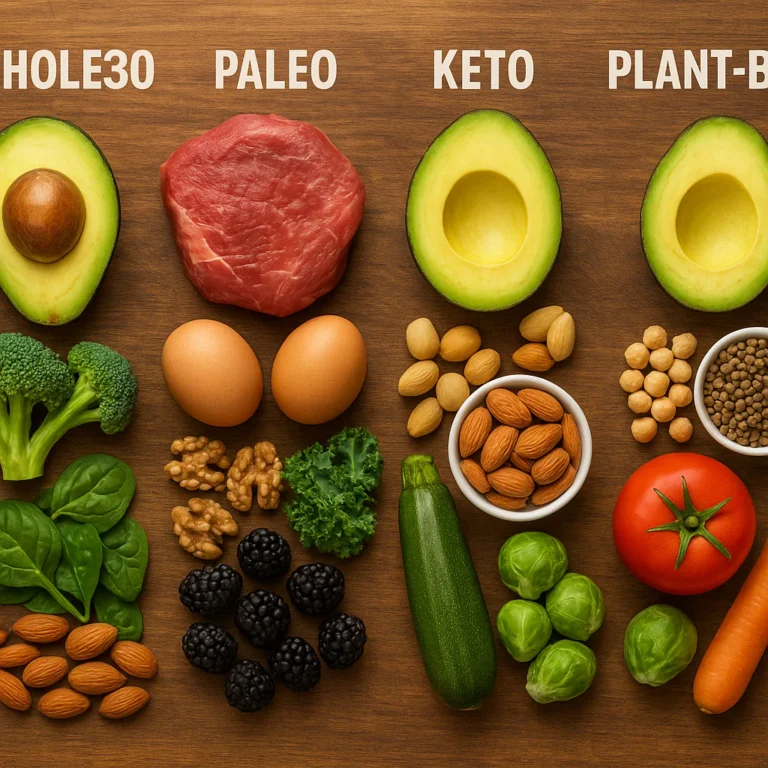
- Whole30 Compared with Paleo, Keto, and Other Diets
- 🌱 Whole30 for Different Needs and Lifestyles
- Vegetarian and Plant-Based Whole30 Considerations
- Whole30 on a Budget
- Whole30 While Traveling, Dining Out, or Feeding a Family
- The Whole30 Program en Español
- 💬 Whole30 Stories, Support, and Inspiration
- Participant Survey Findings and Personal Goals
- Success Stories and Testimonials: What to Keep in Perspective
- Recipes, Resources, and Community Support
- Conclusion
- Recommended Links
- FAQ
- Reference Links