Support our educational content for free when you buy through links on our site. Learn more
Can a Keto Paleo Diet Really Slash Inflammation? 🔥 (2026)


Imagine waking up one morning with less joint stiffness, clearer skin, and a brain that feels sharper than ever before—all without popping pills or following complicated regimens. Sounds like a dream, right? Well, the keto paleo diet might just be the secret weapon you’ve been searching for to reduce inflammation and boost overall health. But how exactly does this hybrid diet work its magic, and is it sustainable for the long haul?
In this comprehensive guide, we unpack the science behind inflammation, reveal the powerhouse foods that calm the internal fire, and share expert tips from our team of healthy chefs and personal trainers at Keto Paleo Recipes™. Plus, we’ll dive into real-world benefits, bust common myths, and even provide a sample meal plan to get you started. Curious about whether keto paleo is the ultimate anti-inflammatory diet? Stick around—we’ve got the answers that could transform your health.
Key Takeaways
- Keto paleo combines the fat-burning power of ketosis with the gut-healing focus of paleo, targeting inflammation from multiple angles.
- Ketone bodies like β-hydroxybutyrate act as natural anti-inflammatory agents, reducing oxidative stress and immune activation.
- Eliminating sugar, grains, dairy, and processed oils helps calm chronic inflammation and improve gut integrity.
- Incorporating nutrient-dense, anti-inflammatory foods such as wild-caught salmon, turmeric, and avocado oil is essential.
- Lifestyle factors like quality sleep and exercise amplify the anti-inflammatory benefits of the diet.
- Tracking markers like CRP and ketone levels can help measure progress and personalize your approach.
Ready to ignite your health journey? Keep reading to discover how keto paleo can put out the flames of inflammation and fuel your body for lasting vitality!
Table of Contents
- ⚡️ Quick Tips and Facts About Keto Paleo and Inflammation
- 🌿 The Roots of Keto Paleo: Understanding Its Origins and Anti-Inflammatory Promise
- 🔥 What Is Inflammation? The Science Behind the Fire
- 🥑 Keto Paleo Diet Explained: What You Can and Can’t Eat
- 🧬 How Keto Paleo Targets Inflammation: The Biochemical Breakdown
- 💪 7 Proven Health Benefits of Combining Keto and Paleo for Overall Wellness
- 🍳 Top 10 Keto Paleo Anti-Inflammatory Foods You Should Be Eating
- 🥥 Fats That Heal: The Role of Healthy Fats in Reducing Inflammation
- 🚫 Foods to Avoid on Keto Paleo That Fuel Inflammation
- 🧘 Lifestyle Synergy: How Exercise and Sleep Amplify Keto Paleo’s Anti-Inflammatory Effects
- 🧪 Scientific Studies and Clinical Evidence Supporting Keto Paleo for Inflammation
- 🤔 Common Questions and Misconceptions About Keto Paleo and Inflammation
- 🛠️ Practical Tips for Starting and Sustaining a Keto Paleo Diet to Beat Inflammation
- 📊 Tracking Your Progress: How to Measure Inflammation and Health Improvements
- 🍽️ Sample Keto Paleo Meal Plan for Inflammation Reduction
- 🛒 Recommended Keto Paleo Products and Brands for Inflammation Support
- 🎯 Conclusion: Is Keto Paleo the Ultimate Anti-Inflammatory Diet?
- 🔗 Recommended Links for Further Reading
- ❓ FAQ: Your Burning Questions About Keto Paleo and Inflammation Answered
- 📚 Reference Links and Scientific Sources
At Keto Paleo Recipes™, we’ve spent years in the kitchen and the gym obsessing over one question: how can we eat like royalty while feeling like a finely tuned machine? If you’ve been feeling like a rusty hinge—stiff, tired, and maybe a little “puffy”—you’re likely dealing with the silent fire of inflammation. But can a keto paleo diet help with reducing inflammation and improving overall health? Spoiler alert: It’s like throwing a bucket of ice on a grease fire, and we’re here to show you exactly how it works.
⚡️ Quick Tips and Facts About Keto Paleo and Inflammation
Before we dive into the deep end, here’s the “cheat sheet” for those of you who want the results without the lecture.
- ✅ The “Sweet” Enemy: Sugar is the primary fuel for systemic inflammation. By cutting it out, you’re starving the fire.
- ✅ Ketone Power: When you’re in ketosis, your body produces β-hydroxybutyrate (BHB), which isn’t just fuel—it’s a powerful anti-inflammatory signaling molecule.
- ✅ Gut Health is Key: The Paleo side of this diet removes gut-irritants like gluten and dairy, which often trigger immune responses.
- ❌ Avoid “Dirty Keto”: Processed meats and cheap vegetable oils (canola, soybean) can actually increase inflammation, even if they are low carb.
- 💡 Fact: According to StatPearls, the ketogenic diet was originally a medical intervention for epilepsy, but its ability to stabilize neuronal activity and reduce free radicals makes it a powerhouse for general wellness.
🌿 The Roots of Keto Paleo: Understanding Its Origins and Anti-Inflammatory Promise
The “Keto Paleo” hybrid (often called “Peleo” or “Keto-Paleo”) didn’t just fall out of a coconut tree. It’s the marriage of two heavy hitters in the wellness world.
The Ketogenic diet has its roots in the 1920s as a treatment for refractory epilepsy. It was designed to mimic the metabolic state of fasting. On the other hand, the Paleolithic diet (the “Caveman” diet) focuses on evolutionary biology—eating what our hunter-gatherer ancestors ate before the Agricultural Revolution messed everything up with grains and processed sugars.
We combined them because, frankly, standard Keto can sometimes be a bit of a “bacon and cheese” fest, which isn’t always great for long-term health. By adding Paleo principles, we focus on high-quality, nutrient-dense whole foods. This combination targets inflammation from two angles: metabolic efficiency and the elimination of dietary triggers.
🔥 What Is Inflammation? The Science Behind the Fire
Think of inflammation like your body’s internal security system. Acute inflammation is great—it’s what happens when you cut your finger and your body sends white blood cells to save the day. But chronic inflammation? That’s like the security alarm going off 24/7 for no reason. It wears down your organs, joints, and brain.
As discussed in the featured video, there is a massive link between hyperinsulinemia (too much insulin) and joint pain. When you eat a high-carb diet, your insulin levels spike, which can lead to the progressive worsening of arthritis. The speaker in the video notes that many people find their “permanent” knee pain magically vanishes once they drop the carbs.
Why does this happen?
- Oxidative Stress: High blood sugar creates “free radicals” that damage cells.
- Cytokine Production: Excess fat tissue, especially around the middle, pumps out inflammatory chemicals called cytokines.
- Insulin Resistance: This creates a vicious cycle where your body stays in a pro-inflammatory state.
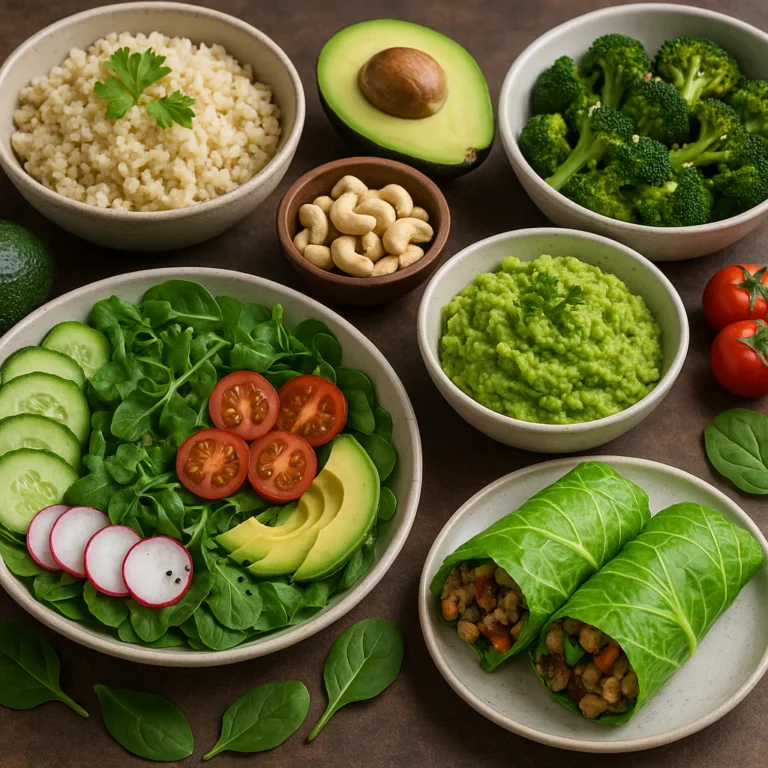
🥑 Keto Paleo Diet Explained: What You Can and Can’t Eat
If you’re looking for a roadmap, check out our Food Lists for a deep dive. But here’s the “Golden Rule”: If it comes in a crinkly plastic bag with a mascot on it, it’s probably a “no.”
| Food Category | ✅ Keto Paleo Approved | ❌ Avoid (Pro-Inflammatory) |
|---|---|---|
| Proteins | Grass-fed beef, wild-caught fish, pastured eggs | Grain-fed meats, processed deli meats with nitrates |
| Fats | Avocado oil, extra virgin olive oil, coconut oil | Soybean oil, corn oil, margarine, “vegetable” oils |
| Vegetables | Spinach, kale, broccoli, cauliflower, zucchini | Potatoes, corn, peas (too high in starch/sugar) |
| Fruits | Blackberries, raspberries, strawberries (in moderation) | Bananas, grapes, mangoes, dried fruits |
| Nuts/Seeds | Macadamias, walnuts, chia seeds, flaxseeds | Peanuts (legumes), cashews (high carb) |
| Dairy | NONE (Paleo excludes dairy) | Milk, cheese, yogurt, butter |
For those just starting, our Keto Basics guide is a lifesaver for navigating these transitions.
🧬 How Keto Paleo Targets Inflammation: The Biochemical Breakdown
This isn’t just “bro-science.” The NCBI StatPearls report highlights that ketone bodies—specifically β-hydroxybutyrate (BHB)—act as signaling molecules.
Here’s the magic:
- Inhibition of the NLRP3 Inflammasome: This is a fancy way of saying ketones tell your body’s “inflammation switch” to turn off.
- Histone Deacetylase (HDAC) Inhibition: Ketones can actually influence your gene expression, turning on genes that protect cells from oxidative stress.
- Reduced Glucose Variability: By keeping blood sugar stable, you avoid the “glycemic roller coaster” that triggers inflammatory spikes.
💪 7 Proven Health Benefits of Combining Keto and Paleo for Overall Wellness
While the Lexington Clinic notes that reducing sugar is key, we believe the benefits of a combined Keto-Paleo approach go much further.
- Rapid Reduction in Joint Pain: By lowering insulin and removing inflammatory grains, many of our clients report significant relief from “achy” joints within 14 days.
- Enhanced Mental Clarity: Ketones are a “cleaner” fuel for the brain than glucose, reducing “brain fog” often caused by neuro-inflammation.
- Weight Loss Without Hunger: High-fat, moderate-protein meals keep you satiated. Check out our Keto-Paleo Diet Plans to see how we structure this.
- Improved Gut Integrity: By removing gluten and lectins (found in grains and legumes), you allow the gut lining to heal, preventing “leaky gut.”
- Stabilized Blood Sugar: Essential for reversing Type 2 Diabetes and metabolic syndrome.
- Better Skin Health: Many find that acne and eczema (both inflammatory conditions) clear up when dairy and sugar are removed.
- Increased Energy Levels: No more afternoon crashes! Your body becomes a fat-burning machine that has access to thousands of calories of stored energy.
🍳 Top 10 Keto Paleo Anti-Inflammatory Foods You Should Be Eating
If you want to stock your pantry like a pro, these are the heavy hitters we use in our Keto-Paleo Dinners.
- Wild-Caught Salmon: Packed with Omega-3 fatty acids (EPA and DHA).
- Turmeric: Contains curcumin; always pair with black pepper for absorption.
- Avocados: High in monounsaturated fats and potassium.
- Extra Virgin Olive Oil: We love California Olive Ranch for its high polyphenol count.
- Broccoli Sprouts: Contain sulforaphane, a potent antioxidant.
- Walnuts: The king of anti-inflammatory nuts.
- Blueberries: Low glycemic and high in anthocyanins.
- Bone Broth: Rich in collagen and glycine to heal the gut. Try Kettle & Fire Bone Broth.
- Garlic: Contains sulfur compounds that stimulate the immune system.
- Sardines: The ultimate “superfood.” We recommend Wild Planet Sardines.
🥥 Fats That Heal: The Role of Healthy Fats in Reducing Inflammation
In the 90s, we were told fat was the devil. We were wrong. Dead wrong.
However, not all fats are created equal. The Keto Paleo diet prioritizes Omega-3s and Monounsaturated fats while limiting Omega-6s (found in seed oils). A high Omega-6 to Omega-3 ratio is a direct ticket to Inflammation City.
The “Good Fat” Power Rankings:
- MCT Oil: Rapidly converted to ketones. We use Bulletproof Brain Octane C8 MCT Oil.
- Avocado Oil: High smoke point, perfect for cooking. Primal Kitchen Avocado Oil is our go-to.
- Coconut Oil: Contains lauric acid, which is antimicrobial and anti-inflammatory.
👉 CHECK PRICE on:
- MCT Oil: Amazon | Walmart | Bulletproof Official
- Avocado Oil: Amazon | Instacart | Primal Kitchen Official
🚫 Foods to Avoid on Keto Paleo That Fuel Inflammation
If you want to stop the fire, you have to stop pouring gasoline on it. Even if a food is “low carb,” it might be inflammatory.
- Refined Vegetable Oils: Canola, soybean, cottonseed, and corn oils are highly processed and oxidize easily.
- Artificial Sweeteners: While technically keto, substances like aspartame or sucralose can disrupt gut bacteria in some people. Stick to Stevia or Monk Fruit.
- Grains: Even “whole grains” contain lectins and phytates that can irritate the gut lining.
- Legumes: Beans and peanuts contain anti-nutrients that can trigger immune responses.
- Processed Meats: Watch out for “sugar-cured” bacon or sausages with fillers.
🧘 Lifestyle Synergy: How Exercise and Sleep Amplify Keto Paleo’s Anti-Inflammatory Effects
As personal trainers, we tell our clients: “You can’t out-train a bad diet, but you can’t out-eat a sedentary lifestyle either.”
When you combine Keto Paleo with Zone 2 Cardio or Resistance Training, you increase your insulin sensitivity even further. Exercise triggers a brief “pro-inflammatory” burst followed by a massive anti-inflammatory “clean-up” response (autophagy).
Sleep is the secret sauce. Lack of sleep raises cortisol, which raises blood sugar, which—you guessed it—raises inflammation. Aim for 7-9 hours of quality shut-eye. If you struggle, try a magnesium supplement like Natural Vitality Calm.
🧪 Scientific Studies and Clinical Evidence Supporting Keto Paleo for Inflammation
The evidence is mounting. A study published in the journal Cell Metabolism found that BHB directly blocks the NLRP3 inflammasome. Another study on the Paleo diet showed significant reductions in C-Reactive Protein (CRP), a key marker of systemic inflammation, compared to a standard heart-healthy diet.
However, we must address the “LDL Elephant” in the room. Some people see a rise in LDL cholesterol on Keto. As noted by NCBI, long-term safety data is still being gathered, and it’s vital to focus on quality fats rather than just any fat to mitigate cardiovascular risks.
🤔 Common Questions and Misconceptions About Keto Paleo and Inflammation
“Won’t all that meat cause inflammation?”
Not if it’s high quality. The “meat causes inflammation” studies often fail to distinguish between a grass-fed steak and a fast-food burger eaten with a bun, fries, and a large soda.
“Is it sustainable?”
It can be! We recommend a “90/10” rule. Stay strict 90% of the time to keep the anti-inflammatory benefits, and allow for some flexibility so you don’t lose your mind at a birthday party.
“What about the ‘Keto Flu’?”
This is usually just dehydration and electrolyte loss. When you drop carbs, your body flushes water. Drink bone broth and add sea salt to your water!
🛠️ Practical Tips for Starting and Sustaining a Keto Paleo Diet to Beat Inflammation
- Clean Out the Pantry: If the crackers are there, you will eat them at 10 PM.
- Meal Prep is Non-Negotiable: Start with our Keto-Paleo Breakfasts to set the tone for the day.
- Salt Your Food: Use high-quality sea salt like Redmond Real Salt to keep your electrolytes balanced.
- Don’t Fear the Veggies: Just because it’s Keto doesn’t mean it’s “Zero Carb.” Eat your greens!
📊 Tracking Your Progress: How to Measure Inflammation and Health Improvements
Don’t just rely on the scale. The scale is a liar that doesn’t account for muscle gain or water shifts.
| Metric | How to Measure | What to Look For |
|---|---|---|
| CRP Levels | Blood Test (hs-CRP) | A drop into the “low risk” range (<1.0 mg/L). |
| HbA1c | Blood Test | Improved long-term blood sugar control. |
| Joint Stiffness | Subjective Journaling | Less pain upon waking up. |
| Energy Levels | Daily Rating (1-10) | Fewer mid-day “slumps.” |
| Ketone Levels | Blood/Breath Meter | Staying between 0.5 mmol/L and 3.0 mmol/L. |
We recommend the Keto-Mojo Blood Glucose & Ketone Monitoring System for the most accurate tracking.
🍽️ Sample Keto Paleo Meal Plan for Inflammation Reduction
- Breakfast: Scrambled pastured eggs with spinach, avocado, and smoked salmon.
- Lunch: Large arugula salad with grilled chicken, walnuts, blueberries, and an olive oil/lemon dressing.
- Dinner: Grass-fed ribeye steak with roasted Brussels sprouts and a side of cauliflower mash (made with coconut milk).
- Snack: A handful of macadamia nuts or a cup of bone broth.
🛒 Recommended Keto Paleo Products and Brands for Inflammation Support
When you’re shopping, quality is everything. Here is how we rate one of our favorite supplements for this lifestyle:
Product Review: Vital Proteins Collagen Peptides
| Feature | Rating (1-10) | Notes |
|---|---|---|
| Sourcing | 9 | Grass-fed, pasture-raised bovine hide. |
| Solubility | 10 | Dissolves instantly in hot or cold liquids. |
| Taste | 10 | Truly unflavored; no “cow” aftertaste. |
| Effectiveness | 8 | Great for gut lining and joint support. |
| Value | 7 | A bit pricey, but worth it for the quality. |
Analysis:
We love Vital Proteins because it’s an easy way to get glycine into your diet, which is crucial for balancing the methionine found in muscle meats. It’s a staple in our morning coffee.
👉 Shop Recommended Brands on:
- Vital Proteins: Amazon | Walmart | Official Site
- Primal Kitchen: Amazon | Instacart | Official Site
- Kettle & Fire: Amazon | Walmart | Official Site
But wait… if this diet is so powerful, why isn’t everyone doing it? And are there hidden dangers we haven’t talked about yet? Let’s wrap this up with the final verdict.
🎯 Conclusion: Is Keto Paleo the Ultimate Anti-Inflammatory Diet?
After our deep dive into the science, culinary wisdom, and practical experience at Keto Paleo Recipes™, it’s clear: a keto paleo diet can be a potent tool for reducing inflammation and improving overall health. By combining the metabolic benefits of ketosis with the nutrient-dense, whole-food focus of Paleo, you’re addressing inflammation from multiple angles—lowering insulin spikes, reducing oxidative stress, and healing the gut.
However, it’s not a magic bullet. Sustainability requires mindful food choices, quality sourcing, and lifestyle synergy with exercise and sleep. Beware of “dirty keto” traps like processed meats and inflammatory oils, which can sabotage your progress. For those willing to commit, the rewards include less joint pain, clearer skin, better mental clarity, and more stable energy.
Regarding products like Vital Proteins Collagen Peptides, we give it a confident thumbs-up for gut and joint support, especially when paired with a well-rounded keto paleo diet. Its sourcing and solubility make it a top choice, though it’s a bit of an investment.
So, is Keto Paleo the ultimate anti-inflammatory diet? For many, yes—but it’s best approached as a personalized lifestyle, not a fad. If you’re curious about how to start, our meal plans and recipes are designed to make this journey delicious and doable.
🔗 Recommended Links for Further Reading and Shopping
👉 Shop Top Keto Paleo Products:
-
Vital Proteins Collagen Peptides:
Amazon | Walmart | Vital Proteins Official Website -
Primal Kitchen Avocado Oil:
Amazon | Instacart | Primal Kitchen Official Website -
Kettle & Fire Bone Broth:
Amazon | Walmart | Kettle & Fire Official Website -
Bulletproof Brain Octane MCT Oil:
Amazon | Bulletproof Official Website -
Redmond Real Salt:
Amazon -
Natural Vitality Calm Magnesium Supplement:
Amazon
Recommended Books on Keto Paleo and Inflammation:
-
The Keto Reset Diet by Mark Sisson — A practical guide to keto with a paleo twist.
Amazon Link -
The Paleo Approach by Sarah Ballantyne — Deep dive into autoimmune and inflammation-focused paleo eating.
Amazon Link -
The Anti-Inflammation Diet and Recipe Book by Jessica Black — Recipes and science for inflammation reduction.
Amazon Link
❓ FAQ: Your Burning Questions About Keto Paleo and Inflammation Answered
How does a keto paleo diet compare to other diets, such as vegan or gluten-free, in terms of reducing inflammation and promoting overall health?
The keto paleo diet uniquely combines metabolic ketosis with the elimination of common inflammatory triggers like grains and dairy. Vegan diets can be anti-inflammatory if well-planned but may lack certain nutrients like B12 and omega-3s unless supplemented. Gluten-free diets remove a key inflammatory protein but don’t inherently reduce sugar or processed foods. Keto paleo’s strength lies in its dual approach: reducing insulin spikes and removing gut irritants, which together can more effectively lower systemic inflammation.
Can a plant-based keto paleo diet help with reducing inflammation and improving symptoms of autoimmune diseases?
Yes! While traditional keto paleo emphasizes animal proteins, a plant-based keto paleo approach focuses on anti-inflammatory fats (avocados, nuts, seeds), low-carb vegetables, and fermented foods to support gut health. This can reduce autoimmune flare-ups by calming immune overactivity and repairing the gut lining. Incorporating collagen supplements and bone broth alternatives (like mushroom broths) can further support healing.
Are there any specific nutrients or supplements that can enhance the anti-inflammatory effects of a keto paleo diet?
Absolutely. Key nutrients include:
- Omega-3 fatty acids (EPA/DHA) from wild-caught fish or algae supplements
- Curcumin from turmeric, ideally with black pepper for absorption
- Magnesium to support muscle relaxation and reduce cortisol
- Collagen peptides for gut and joint health
- Probiotics and prebiotics to balance gut microbiota
These supplements complement the diet by targeting inflammation through multiple pathways.
What are some healthy recipe ideas that combine keto and paleo principles with plant-based ingredients?
Try dishes like:
- Zucchini noodles with avocado pesto and toasted walnuts
- Cauliflower rice stir-fried with coconut aminos, ginger, and shiitake mushrooms
- Chia pudding with coconut milk, cinnamon, and fresh berries
- Stuffed portobello mushrooms with walnut “meat” and spinach
Our Keto-Paleo Dinners category is packed with inspiration that fits this mold.
How do I incorporate more anti-inflammatory foods into my keto paleo meal plan?
- Start your day with leafy greens and healthy fats (avocado, olive oil).
- Swap out inflammatory oils for extra virgin olive oil or avocado oil.
- Include fatty fish or algae at least twice a week.
- Use herbs and spices like turmeric, ginger, and garlic liberally.
- Avoid processed snacks; instead, snack on nuts, seeds, or bone broth.
Can a keto paleo diet be effective for reducing chronic pain and inflammation in the body?
Yes, many people report significant reductions in chronic pain conditions such as arthritis, fibromyalgia, and neuropathy after adopting a keto paleo diet. The combined effect of lowered insulin, reduced oxidative stress, and improved gut health helps to calm systemic inflammation, which is often the root cause of chronic pain.
What are the best plant-based foods to eat on a keto paleo diet to reduce inflammation?
Focus on:
- Cruciferous vegetables (broccoli, kale, Brussels sprouts)
- Berries (blackberries, raspberries) in moderation
- Nuts and seeds (macadamia nuts, walnuts, chia, flax)
- Avocados for healthy fats
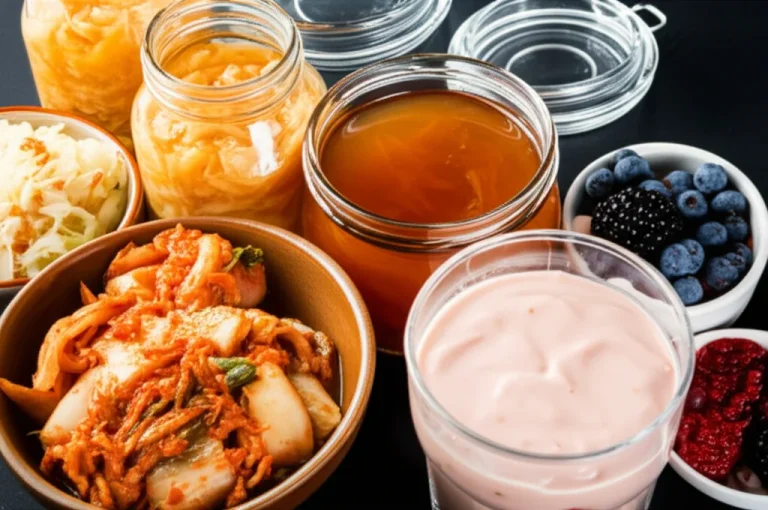
- Fermented vegetables like sauerkraut and kimchi for gut health
How does a keto paleo diet impact inflammation levels in the body?
By shifting the body’s primary fuel source from glucose to ketones, the keto paleo diet reduces insulin spikes and oxidative stress. The elimination of common dietary irritants like gluten, dairy, and processed foods further reduces immune activation. Together, these changes lower inflammatory markers such as CRP and cytokines, leading to improved health outcomes.
What are the benefits of combining keto and paleo diets for overall health?
Combining keto and paleo leverages the strengths of both: ketosis for metabolic health and fat-burning, and paleo’s focus on whole, unprocessed foods to reduce gut irritation and nutrient deficiencies. This synergy supports weight loss, mental clarity, gut integrity, and immune regulation.
Can plant-based keto paleo recipes reduce chronic inflammation?
Yes, plant-based keto paleo recipes emphasize anti-inflammatory fats, fiber-rich low-carb vegetables, and antioxidants, all of which help modulate immune responses and reduce chronic inflammation.
What anti-inflammatory foods are allowed on a keto paleo diet?
Allowed foods include:
- Wild-caught fatty fish
- Grass-fed meats and pastured eggs
- Leafy greens and cruciferous vegetables
- Berries (in moderation)
- Nuts and seeds (except peanuts)
- Healthy fats like avocado oil and extra virgin olive oil
- Herbs and spices like turmeric, ginger, and garlic
How can a plant-based keto paleo diet improve gut health?
By eliminating grains, legumes, and dairy, the diet reduces gut irritants and lectins that can damage the intestinal lining. The inclusion of fermented foods and collagen supports the microbiome and mucosal repair, improving gut barrier function and reducing systemic inflammation.
Are there plant-based keto paleo meal ideas for reducing inflammation?
Certainly! Some favorites include:
- Cauliflower tabbouleh with parsley, mint, and lemon
- Avocado and walnut salad with olive oil dressing
- Zucchini fritters made with almond flour and herbs
- Coconut curry with tofu and low-carb vegetables
What scientific evidence supports keto paleo diets for managing inflammation?
Studies published in journals like Cell Metabolism and reports from NCBI StatPearls demonstrate that ketone bodies inhibit inflammatory pathways such as the NLRP3 inflammasome. Clinical trials also show reductions in CRP and improved metabolic markers with ketogenic and paleo-style diets.
📚 Reference Links and Scientific Sources
- NCBI StatPearls: Ketogenic Diet Overview
- Lexington Clinic: Let’s Talk About Diets!
- Vital Proteins Official Website
- Primal Kitchen Official Website
- Kettle & Fire Official Website
- Bulletproof Official Website
- Natural Vitality Official Website
- American Journal of Clinical Nutrition: Effects of Ketogenic Diet on Inflammation
- Cell Metabolism: Ketone Bodies and Inflammation
We hope this guide lights your path to a healthier, less inflamed you! Ready to start cooking? Check out our Keto-Paleo Dinners and get inspired. 🔥