Support our educational content for free when you buy through links on our site. Learn more
25 Keto Paleo Recipes for Easy, Flavorful Meals 🥑


Keto Paleo Recipes work best when you combine low-carb ingredients with the minimally processed foods you enjoy—and plan protein and vegetables deliberately. This guide brings together 25 meal ideas, practical swaps, and meal-prep tips, including plant-forward options for making vegetables more than a garnish.
We learned the value of a simple formula in our own test-kitchen cooking: cauliflower rice, crisp vegetables, a satisfying protein, and a punchy lemon-herb dressing can turn an ordinary bowl into a meal you’ll happily make again. The trick is remembering that Paleo–friendly foods aren’t always low-carb, and “keto” on a package doesn’t automatically mean a product fits your personal food rules.
Key Takeaways
- Keto and Paleo are different approaches: keto focuses on carbohydrate intake; Paleo focuses on food choices.
- Check ingredients and portions: fruit, sauces, nuts, and grain-free flours can all affect a recipe’s carbohydrate total.
- Build satisfying meals: pair non-starchy vegetables with a suitable protein source and flavorful fats.
- Plant-forward versions take planning: strict vegan, Paleo, and very-low-carb rules can be difficult to combine.
- Start with recipes you’ll repeat: sheet-pan meals, cauliflower rice bowls, salads, and simple sauces make everyday cooking easier.
Table of Contents
- ⚡️ Quick Tips and Facts
- 🥑 What Are Keto Paleo Recipes?
- 📜 The Story Behind the Keto Paleo Diet
- ✅ Keto and Paleo: What They Have in Common—and Where They Differ
- Foods to Eat on a Keto Paleo Diet
- Foods to Skip or Limit
- Can You Be Paleo Without Being Keto?
- 🍳 25 Easy Keto Paleo Recipes to Make at Home
- 1. Keto Paleo Breakfast Recipes
- 2. Low-Carb Egg-Free Breakfast Ideas
- 3. Keto Paleo Smoothies and Drinks
- 4. Quick Chicken Recipes
- 5. Beef and Steak Recipes
- 6. Ground Beef Dinners
- 7. Pork and Bacon Recipes
- 8. Seafood and Fish Recipes
- 9. One-Pan and Sheet-Pan Meals
- 10. Slow Cooker and Instant Pot Recipes
- 11. Keto Paleo Soups and Stews
- 12. Salads and No-Cook Lunches
- 13. Meal-Prep Lunch Bowls
- 14. Zuchini Noodles and Low-Carb Pasta
- 15. Cauliflower Rice and Paleo-Friendly Sides
- 16. Roasted and Air-Fryer Vegetables
- 17. Keto Paleo Sauces, Dressings, and Marinades
- 18. Grain-Free Breads and Wraps
- 19. Paleo Keto Snacks
- 20. Dairy-Free Fat Bombs and Treats
- 21. Low-Carb Paleo Cookies and Bars
- 22. Keto Paleo Cakes and Muffins
- 23. Sugar-Free Desserts
- 24. Holiday and Special-Occasion Recipes
- 25. Family-Friendly Keto Paleo Meals
- 📊 Keto Paleo Macros: Carbs, Protein, and Fat
- How to Estimate Net Carbs
- Choosing a Carb Target
- Why Protein and Fiber Still Matter
- 🛒 Keto Paleo Grocery List and Pantry Staples
- Best Low-Carb Vegetables and Fruits
- Paleo-Friendly Proteins and Fats
- Grain-Free Flours and Sugar Alternatives
- How to Read Food Labels
- 🔄 Smart Ingredient Swaps for Keto Paleo Cooking
- Dairy-Free Alternatives
- Grain, Legume, and Starch Swaps
- Sweetener and Baking Substitutions
- 🗓️ Keto Paleo Meal Plans and Meal Prep
- A Simple 7-Day Meal Plan
- Batch Cooking and Food Storage
- Building Balanced Meals Without Repeating the Same Chicken
- 👩 🍳 Cooking Tips for Better Keto Paleo Results
- How to Keep Grain-Free Baking Moist
- How to Add Flavor Without Bottled Sugar
- Common Texture and Cooking Mistakes
- 🚫 Common Keto Paleo Mistakes to Avoid
- Overdoing Nuts, Sweeteners, or Packaged Snacks
- Forgetting Electrolytes and Hydration
- Making the Diet Too Restrictive
- 🏃 Keto Paleo for Exercise, Weight Goals, and Everyday Life
- Eating Before and After Workouts
- Eating Out and Traveling
- Adapting Recipes for Families
- 🩺 Nutrition, Safety, and Who Should Seek Guidance
- Potential Nutrient Gaps
- Medical Conditions and Medication Considerations
- When to Consult a Registered Dietitian
- 🎯 Conclusion
- 🔗 Recommended Links
- ❓ FAQ
- Are keto and paleo the same diet?
- Can you eat fruit on a keto paleo diet?
- Are potatoes paleo or keto?
- Can you eat dairy on keto paleo?
- What can you use instead of almond flour?
- How many carbs should a keto paleo meal have?
- Are keto paleo recipes good for meal prep?
- Can keto paleo recipes be vegetarian or vegan?
- Is the keto paleo diet safe long term?
- 📚 Reference Links
⚡️ Quick Tips and Facts
Keto Paleo recipes bring together ketogenic low-carb eating and Paleo-style ingredient choices: think salmon with avocado, cauliflower rice bowls, or coconut-milk chia pudding without added sugar. A plant-forward approach can fit, too, but it takes more planning because legumes, grains, and many high-carb plant staples are outside the usual overlap.
For a plant-based dinner idea, start with our 15 Air Fryer Plant-Based Keto Paleo Recipes 🌱. It’s a useful reminder that crisp, satisfying meals don’t need to revolve around a giant slab of meat.
| Quick fact | What it means in practice |
|---|---|
| Keto and Paleo are not synonyms | Keto focuses on carbohydrate intake and metabolic ketosis; Paleo focuses on food selection and excludes foods such as grains and legumes. The Harvard T.H. Chan School of Public Health and Mayo Clinic’s Paleo overview explain these different aims. |
| The overlap is naturally grain-free | Meat, fish, eggs, non-starchy vegetables, nuts, seeds, and selected oils often fit both approaches. |
| Plant-based versions need deliberate protein planning | Tofu, tempeh, beans, lentils, and many plant protein powders may conflict with strict Paleo rules or a very low-carb target. |
| “Paleo” doesn’t automatically mean low-carb | Fruit, sweet potatoes, and other starchy vegetables can be Paleo-friendly but may not fit an individual keto carb target. |
| Labels matter | Bottled sauces, bars, and “keto” snacks can contain added sugars or ingredients that don’t match your version of Paleo. |
Our kitchen rule: build a meal around a protein source, pile on non-starchy vegetables, add a satisfying fat, then season boldly. For more foundational guidance, browse Keto Basics and our Food Lists.
The 30-second meal-building formula
- Pick a protein: eggs, fish, poultry, meat, or a carefully chosen plant-based option.
- Add low-carb vegetables: leafy greens, broccoli, mushrooms, zucchini, cauliflower, or peppers.
- Add flavor and richness: olive oil, avocado, tahini, coconut milk, herbs, spices, or a compatible dressing.
- Check the full recipe, not just its headline: count the ingredients that contribute carbohydrates, and check serving size.
- Make it enjoyable enough to repeat. The best plan is the one you can actually live with.
🥑 What Are Keto Paleo Recipes?
Keto Paleo recipes are meals designed to meet both ketogenic and Paleo-style criteria. In general, that means low in carbohydrates while emphasizing minimally processed foods and avoiding grains, legumes, and refined sugar. Exact rules differ: some people include dairy or certain sweeteners; others avoid them.
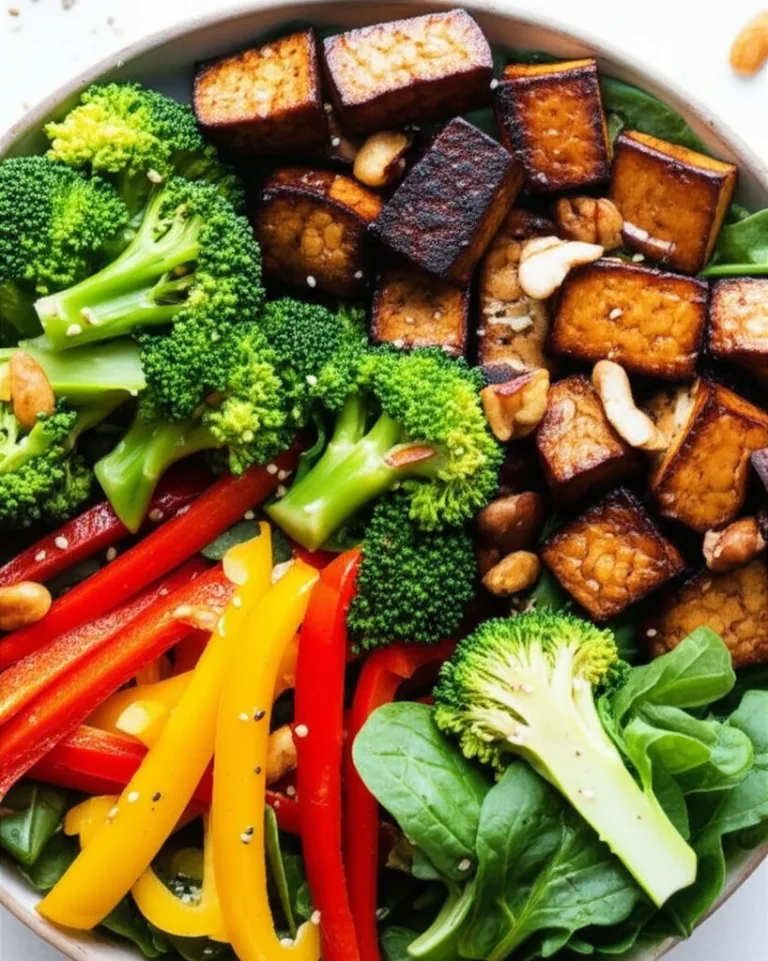
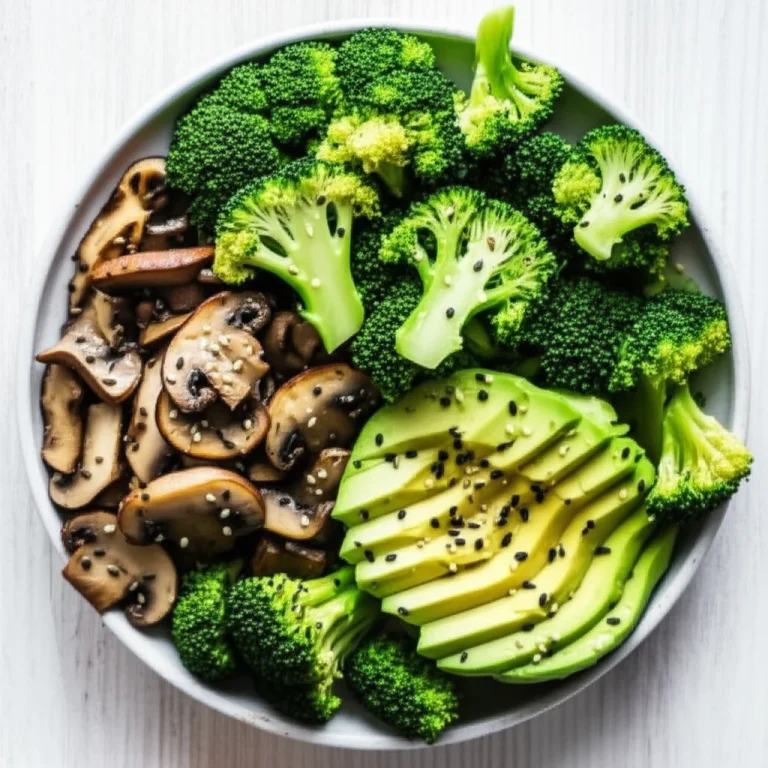
A simple example is lemon-herb salmon with roasted asparagus and cauliflower mash. A less obvious example is a plant-based bowl with avocado, sautéed mushrooms, greens, hemp hearts, and a lemon-tahini dressing—though its protein and carbohydrate totals depend on portions and ingredients.
The two filters behind the recipe
| Recipe question | Keto filter | Paleo filter |
|---|---|---|
| How many carbohydrates? | A low-carb target is central; some people use a very low target to pursue ketosis. | No universal carb ceiling; food quality and food categories are the focus. |
| What foods are emphasized? | Foods that fit the person’s carbohydrate target, often including fats and moderate protein. | Foods such as vegetables, fruit, meat, fish, eggs, nuts, and seeds. |
| What’s commonly excluded? | Sugar and high-carb foods such as grains, sweets, and many starchy foods. | Grains, legumes, and often dairy and highly processed foods. |
| Can the two approaches conflict? | A food may be low-carb but not Paleo, such as some processed low-carb products. | A food may be Paleo but too high-carb for keto, such as a large serving of sweet potato. |
The Harvard Nutrition Source’s ketogenic diet overview describes keto as a high-fat, very-low-carbohydrate pattern intended to shift the body toward using fat and ketones for fuel. Paleo is a different framework: Mayo Clinic describes its focus on foods presumed to resemble those eaten by early humans, while noting that evidence and long-term effects need consideration.
A plant-based reality check 🌿
Strict Paleo and fully vegan eating can be difficult to combine. A vegan diet commonly relies on beans, lentils, soy foods, grains, and other foods excluded by many Paleo interpretations. A plant-forward keto Paleo pattern is more feasible than a strictly vegan one: it can emphasize vegetables, avocado, nuts, seeds, coconut, and olive oil, while using animal foods when they fit your preferences.
If you want to make plant foods the star, don’t let “low-carb” crowd out nutrient variety. The Academy of Nutrition and Dietics’ position on vegetarian diets emphasizes that appropriately planned vegetarian diets can be nutritionally adequate; that doesn’t mean every restrictive combination is automatically balanced.
📜 The Story Behind the Keto Paleo Diet
Keto and Paleo grew from different ideas. The ketogenic diet began as a medical therapy, particularly for epilepsy, before becoming popular in other contexts. Paleo emerged as a modern dietary pattern inspired by a simplified view of ancestral eating. Neither is one fixed menu, and people interpret both in different ways.
That distinction helps explain why two “Keto Paleo” recipes may look nothing alike. One cook might use eggs, chicken, and ghee; another might create a vegetable-forward dish with avocado, tahini, and pumpkin seeds. The name describes an overlap, not a single official rulebook.
What the sources agree—and disagree—about
The competitor summaries offer useful context, but they don’t provide nutrition data or independent evaluations of specific recipes:
- The supplied summary for Paleo Running Moma’s paleo and keto recipe roundup only exposed a security message: “This website uses a security service to protect against malicious bots.” That message tells us nothing about the article’s recipes, so we won’t pretend it does.
- Against All Grain’s keto-friendly recipe collection is presented as a browsing category. Its supplied summary notes an affiliate disclosure and the author’s description of products she “organically uses and trusts.” That’s a statement about her selection process, not evidence that every recipe fits every person’s macros or dietary rules.
- Peace Love and Low Carb promotes approachable low-carb recipes, including keto, gluten-free, Whole30, and dairy-free options. Its supplied summary identifies Keto Egg Roll in a Bowl as paleo, low-carb, and Whole30, but doesn’t establish that all recipes on the site are Paleo or Keto Paleo.
Our take: use recipe-site labels as a starting point, then check ingredients, portion size, and your own definition of Paleo. A recipe can be a great low-carb dinner without meeting every strict Paleo rule.
A clue from the skillet 🍗
The first video’s teriyaki-style chicken takes a practical route: crisp skin-on thighs first, then make a glaze from ginger, garlic, fish sauce, coconut aminos, and apple cider vinegar instead of relying on a sugary bottled sauce. The cook says, “I’m going to show you how to use one pan to make this insanely delicious dish, so that it’s very easy for you to clean up.” See the featured video for the full demonstration.
That approach highlights a useful recipe principle: traditional flavor doesn’t require traditional sugar or soy sauce. But coconut aminos can still contribute carbohydrates, and ghee is dairy-derived, so the dish may not suit every strict Paleo or dairy-free interpretation. Serve with broccoli, cauliflower rice, or zucchini noodles, and adjust the sauce and side portions to your needs.
✅ Keto and Paleo: What They Have in Common—and Where They Differ
Both patterns often encourage cooking at home and choosing minimally processed foods. They diverge on the reason for limiting foods: keto is chiefly about carbohydrates and ketosis; Paleo is chiefly about which food categories are included.
| Food or feature | Usually keto-friendly? | Usually Paleo-friendly? | What to check |
|---|---|---|---|
| Leafy greens, zucchini, broccoli | ✅ | ✅ | Serving size and dressing ingredients |
| Eggs, poultry, fish, meat | ✅ | ✅ | Quality, preparation, and personal preferences |
| Avocado, olives, nuts, seeds | ✅ | ✅ | Portions, since calories and carbs vary |
| Coconut aminos | Often ✅ | Often ✅ | Brand and serving size; it may contain carbohydrates |
| Dairy, including cheese and ghee | Often ✅ | ❌ or varies | Strict Paleo interpretations commonly exclude dairy |
| Grains such as rice or wheat | Usually ❌ | ❌ | Not typical of either approach |
| Beans and lentils | Often ❌ for strict keto | ❌ for strict Paleo | Carb content and individual rules |
| Fruit | Depends on portions | Often ✅ | A Paleo-friendly serving may still use up a keto carb budget |
| Sweet potatoes | Often limited on keto | Often ✅ | Paleo and keto labels aren’t interchangeable |
| Low-carb packaged snacks | Sometimes ✅ | Varies | Ingredients, sweeteners, and processing |
Foods to Eat on a Keto Paleo Diet
Build meals from foods that satisfy both sets of preferences, then tailor them to your needs:
- Non-starchy vegetables: leafy greens, cauliflower, broccoli, cucumber, zucchini, asparagus, mushrooms, and cabbage.
- Protein foods: eggs, fish, shellfish, poultry, and meat; plant-forward eaters may use nuts, seeds, and selected lower-carb foods within their chosen interpretation.
- Fats and flavor: avocado, olives, extra-virgin olive oil, coconut products, nuts, seeds, herbs, spices, and lemon.
- Baking and thickening ingredients: almond flour, coconut flour, chia, and flaxseed, used with attention to portions and recipe structure.
- Beverages: water, unsweetened tea, and coffee without added sugar.
For weekday meals, browse Keto-Paleo Dinners. For breakfast inspiration, see Keto-Paleo Breakfasts.
Foods to Skip or Limit
These foods often conflict with one or both approaches:
- Sugary drinks, sweets, and refined desserts.
- Bread, pasta, rice, and other grains.
- Beans, lentils, and peanuts in strict Paleo versions.
- High-carb starches when you’re pursuing a very-low-carb target.
- Highly processed snacks that use ingredients you’re avoiding.
- Bottled sauces with added sugar or ingredients that don’t fit your version of Paleo.
“Natural” isn’t a nutrition label. Check the ingredient list and serving size, especially on sauces, dressings, and packaged keto products. The FDA’s Nutrition Facts guidance explains how to interpret Nutrition Facts panels.
Can You Be Paleo Without Being Keto?
Absolutely. A Paleo-style diet can include more fruit and starchy vegetables than a ketogenic plan, depending on personal rules. Conversely, a ketogenic diet may include foods such as dairy or certain low-carb packaged products that strict Paleo eaters avoid.
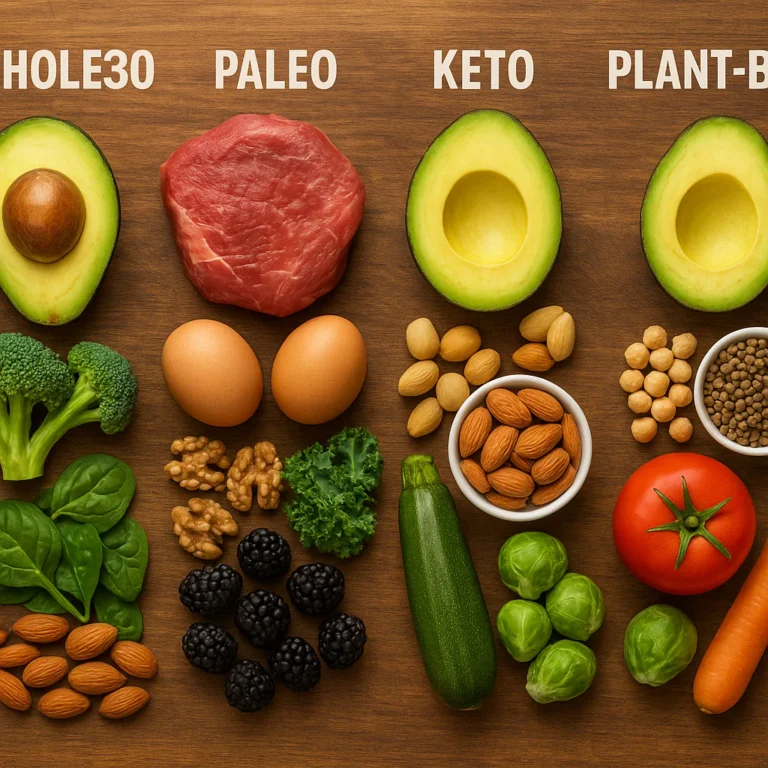
Think of them as two overlapping circles, not matching uniforms. Choose the framework that serves your health, preferences, and sustainability—not the label that sounds most impressive.
🍳 25 Easy Keto Paleo Recipes to Make at Home
These are recipe blueprints, not rigid prescriptions. Adjust ingredients and portions to match your nutrition needs. For each idea, the key is to check carbs in the actual ingredients—especially sauces, nuts, fruit, and flour alternatives.
1. Keto Paleo Breakfast Recipes
Try a spinach-and-mushroom scramble, smoked salmon with avocado, or chia pudding made with unsweetened coconut milk. Browse our Keto-Paleo Breakfasts for more morning ideas.
Quick method: sauté vegetables in olive oil, add beaten eggs, cook gently, and finish with herbs. For a plant-forward version, make the vegetables and avocado the main event, then add hemp hearts or pumpkin seeds for texture.
2. Low-Carb Egg-Free Breakfast Ideas
If eggs aren’t your thing, try chia pudding, sautéed greens with avocado, or leftover roasted vegetables with tahini. Check the chia-to-liquid ratio and sweetener; a spoonful of fruit can raise the carbohydrate total quickly.
3. Keto Paleo Smoothies and Drinks
Blend unsweetened coconut milk with spinach, avocado, ice, and a modest portion of berries. Use water or unsweetened milk alternatives to adjust texture. A smoothie is still food: fruit, nut butter, and seeds can add up faster than they look in a glass.
4. Quick Chicken Recipes
Pan-sear chicken thighs and finish with lemon, garlic, and herbs. Serve over greens or cauliflower rice. For a teriyaki-inspired version, the featured video uses a reduced ginger-garlic glaze, but remember that coconut aminos contribute carbohydrates and ghee is dairy-derived.
5. Beef and Steak Recipes
Pair grilled steak with chimichuri and a generous serving of roasted broccoli. To keep the meal plant-forward, let mushrooms, peppers, and greens take up more of the plate rather than treating vegetables as decoration.
6. Ground Beef Dinners
Brown ground beef with cumin, paprika, garlic, and onion, then spoon it into lettuce cups with avocado and crunchy vegetables. For a meatless direction, use a mushroom-and-walnut mixture, but note that it won’t provide the same protein profile as beef.
7. Pork and Bacon Recipes
Try pork tenderloin with rosemary and a side of cabbage, or add a small amount of bacon for smoky flavor in a vegetable skillet. Bacon is a seasoning, not a vegetable. For sodium guidance, compare labels and keep the overall meal balanced.
8. Seafood and Fish Recipes
Bake salmon with dill, lemon, and olive oil; serve with asparagus or a cucumber salad. The FDA’s advice on fish consumption offers practical guidance, including recommendations for people who are pregnant or feeding children.
9. One-Pan and Sheet-Pan Meals
Arrange chicken or salmon beside broccoli, zucchini, or cauliflower. Add oil and seasonings, then roast until the protein reaches a safe internal temperature. The USDA’s safe minimum cooking temperature chart is a more trustworthy guide than “it looks about done.”
10. Slow Cooker and Instant Pot Recipes
Use a slow cooker or pressure cooker for shredded chicken, beef stew with mushrooms, or a vegetable-rich soup. Skip flour-based thickeners; blend a portion of the cooked vegetables or use a small amount of coconut cream if it suits the recipe.
11. Keto Paleo Soups and Stews
Make a creamy cauliflower soup with broth, garlic, and coconut milk, or simmer chicken with greens and herbs. Packaged broths can vary in sodium and ingredients, so read the label. Add greens near the end to preserve color and texture.
12. Salads and No-Cook Lunches
Combine leafy greens, cucumber, olives, avocado, herbs, and a protein source; dress with olive oil and lemon. For a fully plant-based version, add pumpkin seeds or hemp hearts, while recognizing that these toppings are not a complete substitute for planning a reliable protein intake.
13. Meal-Prep Lunch Bowls
Pack cauliflower rice, roasted vegetables, a protein, and a sauce separately. Keep avocado or delicate greens aside until serving. For safe storage, follow the USDA’s leftovers guidance.
14. Zuchini Noodles and Low-Carb Pasta
Use a spiralizer or vegetable peler to make zucchini ribbons. Salt briefly, pat dry, and cook quickly to avoid a watery pile. Toss with pesto made from basil, olive oil, garlic, and nuts or seeds.
15. Cauliflower Rice and Paleo-Friendly Sides
Pulse cauliflower florets until rice-sized, then sauté in a pan until tender but not sogy. Add lime, cilantro, or toasted spices. A low-carb side should still taste like something you’d choose—not a punishment pretending to be rice.
16. Roasted and Air-Fryer Vegetables
Roast or air-fry broccoli, Brussels sprouts, zucchini, or mushrooms with oil and spices. Give vegetables room to brown; overcrowding traps steam. Our air-fryer plant-based recipe collection has more ideas.
17. Keto Paleo Sauces, Dressings, and Marinades
Whisk olive oil, lemon, mustard, herbs, and seasoning for a quick dressing. For a soy-free, Paleo-style alternative, try Coconut Secret Coconut Aminos, but check its label and portion size rather than assuming it’s carb-free.
18. Grain-Free Breads and Wraps
Almond-flour and coconut-flour recipes can be useful, but they behave differently from wheat flour. Coconut flour absorbs a lot of liquid; almond flour is heavier and can make baked goods dense. Follow a tested recipe rather than swapping cup for cup.
19. Paleo Keto Snacks
Choose olives, cucumber with guacamole, hard-boiled eggs, or a small portion of nuts and seeds. A snack can be satisfying without being a tiny dessert in disguise.
20. Dairy-Free Fat Bombs and Treats
Blend coconut oil, nut butter, and unsweetened cocoa into small chilled bites. They’re energy-dense, so portion size matters. A treat can fit without becoming a meal plan’s nutritional foundation.
21. Low-Carb Paleo Cookies and Bars
Use a tested almond-flour or coconut-flour recipe and a sweetener that suits your preferences. Check the full recipe for added carbohydrates from chocolate, dried fruit, and nut butter.
22. Keto Paleo Cakes and Muffins
Grain-free baking often needs eggs, binders, and careful moisture control. For egg-free baking, recipes may use chia or flax “egs,” but results vary; don’t assume an ordinary muffin recipe will convert neatly.
23. Sugar-Free Desserts
Try coconut chia pudding, baked cinnamon apples in a modest portion, or dark chocolate with berries. “Sugar-free” doesn’t necessarily mean low-carb or suitable for everyone; read labels and consider your own tolerance.
24. Holiday and Special-Occasion Recipes
Build a festive plate around roast vegetables, herbs, a protein, and a bright salad. Make sauces and desserts that accommodate the guests you’re feeding, but don’t feel obliged to recreate every conventional dish with a complicated substitute.
25. Family-Friendly Keto Paleo Meals
Offer a shared base—such as roasted vegetables or a salad—and let each person customize toppings and sides. Children and teens have distinct nutrition needs; restrictive diets for them should be discussed with a qualified clinician.
A recipe-site perspective
Against All Grain’s keto-friendly recipes can offer inspiration, while Peace Love and Low Carb emphasizes approachable low-carb cooking and recipe browsing by meal type and dietary filter. These sites can spark ideas, but their category tags aren’t a substitute for checking ingredients or confirming a recipe fits your own carb target.
📊 Keto Paleo Macros: Carbs, Protein, and Fat
Macros are shorthand for carbohydrate, protein, and fat. A recipe’s macro estimate depends on exact ingredients, brands, and portion sizes; online calculators can differ, so treat numbers as estimates rather than medical measurements.
| Macro | Practical role | Recipe-planning thought |
|---|---|---|
| Carbohydrate | Main focus in keto planning | Count ingredients and portions consistently; don’t forget sauces and drinks. |
| Protein | Supports tissue maintenance and many body functions | Include a dependable source at meals, particularly when eating mostly plant-based. |
| Fat | Provides energy and contributes to flavor and satisfaction | Choose fats that suit your preferences and health context; more fat is not automatically better. |
| Fiber | A form of carbohydrate that supports digestive health | Non-starchy vegetables, seeds, nuts, and avocado can contribute fiber. |
How to Estimate Net Carbs
“Net carbs” usually means total carbohydrates minus fiber and, in some products, certain sugar alcohols. But labeling conventions and individual responses vary. The FDA explains Nutrition Facts label terms and carbohydrate information; use the label and a consistent method rather than relying on marketing claims.
Step by step:
- Find the serving size you actually eat.
- Check total carbohydrate per serving.
- Review fiber and sugar alcohols where listed.
- Multiply by the number of servings you use.
- Recheck sauces, toppings, and drinks—small extras can add up.
- If tracking closely for a medical reason, ask your health professional which method to use.
Choosing a Carb Target
There is no one target that suits every person or every purpose. The keto diet is commonly described as very low in carbohydrates, but exact definitions differ across studies and guidance. The Harvard Nutrition Source discusses ketogenic eating and its limitations; seek medical advice before using a restrictive plan, especially if you take medication or have a health condition.
Why Protein and Fiber Still Matter
“Low carb” is not the whole nutrition story. A meal can meet a carb target and still be low in protein, fiber, or overall variety. For a plant-forward approach, plan protein intentionally and include a range of vegetables, nuts, and seeds. The National Academies’ Dietary Reference Intakes provide background on energy and nutrient recommendations, though individualized needs vary.
🛒 Keto Paleo Grocery List and Pantry Staples
A useful pantry is less about buying specialty products and more about having ingredients that make ordinary food taste good. Here’s a practical starting list:
| Category | Useful options | Label or planning note |
|---|---|---|
| Vegetables | Spinach, broccoli, cauliflower, zucchini, mushrooms, cabbage | Fresh or frozen; compare sauces and seasoning blends |
| Plant-based fats | Avocado, olives, olive oil, coconut products | Portion sizes still matter |
| Nuts and seeds | Almonds, walnuts, chia, flax, pumpkin seeds, hemp hearts | Check for added sugar and watch portions |
| Proteins | Eggs, fish, poultry, meat; selected plant foods that fit your plan | Plant-based adequacy may take extra planning |
| Flavor builders | Garlic, ginger, lemon, vinegar, spices, herbs | Check packaged blends for added sugar or starch |
| Baking staples | Almond flour, coconut flour, unsweetened cocoa, chia, flax | These flours are not interchangeable |
| Convenience foods | Unsweetened coconut milk, broth, frozen vegetables | Check sodium, sugar, and ingredient lists |
Best Low-Carb Vegetables and Fruits
Leafy greens, broccoli, cauliflower, zucchini, cucumber, and mushrooms are versatile choices for many low-carb meals. Berries can fit some plans in modest servings, but fruit portions matter when you have a strict carbohydrate target. The USDA FoodData Central database is a reliable place to look up general nutrient data; brands and preparation methods may change the numbers.
Paleo-Friendly Proteins and Fats
For omnivores, fish, eggs, poultry, and meat are common Paleo-style options. For a plant-forward plate, build around vegetables and add nuts, seeds, avocado, or coconut-based ingredients—while recognizing that these foods may not provide enough protein on their own for every person.
Grain-Free Flours and Sugar Alternatives
Almond flour, coconut flour, flaxseed, and chia are common grain-free baking ingredients. They have different textures and absorption, so a tested recipe matters. Sweeteners also vary in taste and tolerance; no sweetener makes an unlimited dessert automatically healthful.
How to Read Food Labels
Check:
- Serving size: the listed values may describe less than you intend to eat.
- Total carbohydrate and fiber: compare products using the same serving size.
- Added sugars: sauces and “healthy” snacks can hide them.
- Ingredients: look for grains, legumes, dairy, or additives you personally avoid.
- Allergen statements: especially for nuts, coconut, eggs, and soy.
The FDA’s label guide explains the panel. For branded products, check the manufacturer’s current ingredient list because formulas can change.
🔄 Smart Ingredient Swaps for Keto Paleo Cooking
| Instead of… | Try… | What changes |
|---|---|---|
| Rice | Cauliflower rice | Lighter texture and different fiber profile |
| Wheat pasta | Zuchini noodles or spaghetti squash | More vegetables, less starch; avoid overcooking |
| Soy sauce | Coconut aminos | Different flavor and nutrition; check the label |
| Cream | Unsweetened coconut milk | Coconut flavor and different fat profile |
| Breadcrumbs | Ground nuts or seeds | Crunchy, but calorie-dense and potentially allergenic |
| Sweetened sauce | Citrus, herbs, vinegar, and spices | Bright flavor without relying on sugar |
| Flour-based thickener | Blended cooked vegetables | Adds body while keeping the recipe grain-free |
Dairy-Free Alternatives
For recipes that call for cream, try unsweetened coconut milk or a cashew cream if nuts fit your plan. For butter, olive oil or avocado oil may work in savory dishes, though baking results can differ. Ghee is clarified butter, not dairy-free, even though it contains less milk solids than ordinary butter.
Grain, Legume, and Starch Swaps
Use cauliflower rice, shredded cabbage, lettuce cups, or zucchini noodles to replace some grain-based sides. If you’re following strict Paleo, check whether a substitute itself fits your interpretation. If you’re following keto, check the carb total rather than assuming a vegetable is low-carb in every portion.
Sweetener and Baking Substitutions
Sweeteners differ in bulk, sweetness, aftertaste, and baking behavior. A liquid sweetener can change batter texture; a granulated one can affect browning. Follow a tested recipe’s recommended product where possible, and be cautious with sugar alcohols if they upset your digestion.
🗓️ Keto Paleo Meal Plans and Meal Prep
Meal prep can make a restrictive menu feel less like an obstacle course. Start with two proteins, three vegetables, one sauce, and one flexible side, then mix and match instead of cooking seven entirely separate meals.
For a broader planning approach, see Keto-Paleo Diet Plans.
A Simple 7-Day Meal Plan
This is a flexible idea list, not a prescribed therapeutic diet. Adjust portions, ingredients, and protein choices for your needs.
| Day | Breakfast | Lunch | Dinner |
|---|---|---|---|
| Monday | Spinach and mushroom eggs | Salmon-avocado salad | Lemon chicken with broccoli |
| Tuesday | Chia pudding with coconut milk | Leftover chicken bowl | Beef and cabbage skillet |
| Wednesday | Smoked salmon with greens | Egg and cucumber lettuce cups | Baked fish with cauliflower rice |
| Thursday | Vegetable scramble | Chicken salad with olive-oil dressing | Mushroom-stuffed peppers |
| Friday | Avocado with eggs or seeds | Zuchini-nodle leftovers | Sheet-pan salmon and asparagus |
| Saturday | Coconut chia bowl | Big chopped salad | Turkey lettuce cups with vegetables |
| Sunday | Leftover vegetable hash | Cauliflower-rice bowl | Slow-cooker chicken and greens |
Plant-forward adjustment: make vegetables, mushrooms, and avocado more prominent, and choose a reliable protein source that fits your dietary boundaries. A fully vegan, strict-Paleo version may require compromises or professional nutrition planning.
Batch Cooking and Food Storage
- Roast a tray of vegetables and cook a batch of cauliflower rice.
- Prepare one or two proteins—or a plant-based component suitable for your plan.
- Make a dressing or sauce separately.
- Divide meals into clean, shallow containers and refrigerate promptly.
- Label the date, and follow USDA leftovers guidance for storage and reheating.
Keep crunchy vegetables and dressings separate when possible. Nobody needs a sogy cucumber surprise on Wednesday.
Building Balanced Meals Without Repeating the Same Chicken
Rotate cooking method, seasoning, texture, and vegetable. For example, roast chicken with lemon one night, shred leftovers into a salad the next day, and use a different protein later in the week. A plant-forward menu can rotate mushrooms, seeds, avocado, greens, and varied vegetables, but shouldn’t rely on low-carb vegetables alone for protein.
👩 🍳 Cooking Tips for Better Keto Paleo Results
The trick isn’t expensive ingredients. It’s technique. A hot pan, dry vegetables, bright acid, and enough seasoning can make a simple meal taste deliberate.
How to Keep Grain-Free Baking Moist
- Weigh ingredients when the recipe provides weights.
- Don’t swap almond and coconut flour cup for cup.
- Let batter rest if the recipe calls for it; coconut flour absorbs liquid over time.
- Use the binder specified, such as eggs, chia, or flax.
- Cool baked goods before cutting; grain-free loaves can be fragile when warm.
How to Add Flavor Without Bottled Sugar
Build flavor with garlic, ginger, citrus zest, vinegar, fresh herbs, toasted spices, and chili. The featured teriyaki-inspired chicken offers a practical example: it reduces coconut aminos, ginger, garlic, fish sauce, and apple cider vinegar into a glaze. The sauce is flavorful, but “sugar-free” doesn’t mean “carb-free,” so check the coconut aminos label and serving size.
Common Texture and Cooking Mistakes
| Problem | Likely cause | Better approach |
|---|---|---|
| Watery zucchini noodles | Overcooking or excess moisture | Pat dry and cook briefly |
| Mushy cauliflower rice | Overcrowded pan or excess liquid | Cook in batches and let steam escape |
| Dry chicken | Overcooking or uneven thickness | Use a food thermometer and follow safe-temperature guidance |
| Dense almond-flour bread | Too much flour or a poor substitution | Use a tested formula and measure carefully |
| Bland vegetables | Not enough seasoning or browning | Dry them, spread them out, and season before cooking |
🚫 Common Keto Paleo Mistakes to Avoid
Overdoing Nuts, Sweeteners, or Packaged Snacks
Nuts and seed-based treats can be nutritious, but portions are easy to underestimate. Packaged “keto” foods may also be high in calories, sugar alcohols, or ingredients that don’t fit your Paleo rules. Treat them as convenience foods, not proof that a diet is balanced.
Forgeting Electrolytes and Hydration
People changing their carbohydrate intake may notice changes in fluid balance. Don’t self-prescribe large doses of salt or supplements. Drink according to thirst and circumstances, and ask a clinician before taking electrolyte products—especially if you have kidney, heart, or blood-pressure concerns. The National Institute of Diabetes and Digestive and Kidney Diseases offers relevant background on kidney health and care.
Making the Diet Too Restrictive
Combining keto, Paleo, and vegan rules can narrow food choices considerably. If a diet leaves you anxious around food, socially isolated, or unable to meet nutrition needs, loosen the rules and seek qualified support. A sustainable eating pattern beats a perfect-sounding one you can’t maintain.
🏃 Keto Paleo for Exercise, Weight Goals, and Everyday Life
A restrictive eating pattern can affect training, energy, and recovery differently from person to person. Your workout routine, medical history, sleep, food intake, and personal response all matter. The International Society of Sports Nutrition’s position stand on ketogenic diets and exercise reviews the evidence and notes that performance responses can vary by sport and individual.
Eating Before and After Workouts
Pay attention to how you feel during training. Some people adapt comfortably to low-carb meals; others feel that higher-carbohydrate foods help their performance or recovery. For a plant-forward eater, plan the protein component deliberately, and discuss major diet changes with a sports dietitian or clinician if you train heavily.
Eating Out and Traveling
- Ask for sauces and dressings on the side.
- Choose grilled or roasted proteins and non-starchy vegetables where available.
- Confirm ingredients rather than assuming “gluten-free,” “keto,” or “Paleo” means the same thing to everyone.
- Pack convenient snacks that suit your preferences and food-safety needs.
- Give yourself room to be flexible; a meal out doesn’t need to become a dietary courtroom drama.
Adapting Recipes for Families
Offer the shared meal with optional sides, such as fruit, potatoes, or rice for family members who aren’t following the same plan. Don’t impose a restrictive adult diet on children without individualized professional advice. The American Academy of Pediatrics’ nutrition resources provide family-oriented guidance.
🩺 Nutrition, Safety, and Who Should Seek Guidance
Keto Paleo eating isn’t automatically suitable for everyone, and a plant-forward version can require particular care with protein and micronutrients. The National Center for Complementary and Integrative Health discusses ketogenic diets and health considerations; research and suitability depend on the person and reason for following the diet.
Potential Nutrient Gaps
Highly restrictive eating can make it harder to get enough of certain nutrients. Depending on what you exclude and what you eat instead, a clinician or registered dietitian may review:
- Fiber, especially if vegetables and seeds are limited.
- Calcium and vitamin D, particularly if you avoid dairy and fortified foods.
- Vitamin B12, especially for fully plant-based eaters.
- Iron, iodine, and omega-3 fats, depending on your food choices.
- Protein, particularly when combining vegan, Paleo, and very-low-carb rules.
These are not guaranteed deficiencies; they’re sensible checkpoints. The NIH Office of Dietary Supplements provides fact sheets on nutrients such as vitamin B12 and calcium.
Medical Conditions and Medication Considerations
Talk with a healthcare professional before starting a ketogenic or highly restrictive diet if you:
- Take glucose-lowering medication or insulin.
- Are pregnant, breastfeeding, or planning pregnancy.
- Have kidney, liver, pancreatic, gallbladder, or heart concerns.
- Have a history of disordered eating.
- Are managing a chronic condition or using a therapeutic diet.
Medication needs can change when food intake changes. Don’t adjust prescriptions or supplements on your own.
When to Consult a Registered Dietitian
Ask for help if you want a vegan or plant-forward version, are unsure how to meet nutrient needs, experience persistent fatigue or digestive issues, or need a plan for a medical condition or sport. A registered dietitian can help translate food preferences into a realistic eating pattern without turning every meal into a spreadsheet.