Support our educational content for free when you buy through links on our site. Learn more
Is Whole30 Carb Free? 🍠 The Truth About Carbs on Whole30 (2025)

If you’ve ever wondered whether the Whole30 program means cutting out carbs entirely, you’re not alone. It’s a question that sparks confusion and curiosity in equal measure. After all, with so many diets demonizing carbohydrates, it’s natural to ask: Is Whole30 carb free? Spoiler alert—it’s not! But what kind of carbs are allowed, and how do they fit into this popular 30-day reset? That’s exactly what we’re here to uncover.
In this deep dive, we’ll unravel the myths, explore the science, and share insider tips from our Keto Paleo Recipes™ team of healthy chefs and trainers. From sweet potatoes to berries, you’ll discover the 15 Whole30-approved carb sources that keep your energy high and cravings low. Plus, we’ll compare Whole30 with keto to clear up the carb confusion once and for all. Ready to fuel your Whole30 journey with confidence and flavor? Let’s get started!
Key Takeaways
- Whole30 is not a carb-free diet; it encourages carbs from whole, nutrient-dense sources like vegetables and fruits.
- Grains, legumes, added sugars, and processed foods are off-limits, but starchy veggies and fruits are your friends.
- Unlike keto, Whole30 focuses on food quality and elimination, not strict carb counting or ketosis.
- Proper carb intake on Whole30 supports stable energy, gut health, and reduced inflammation.
- Our team’s personal experiences highlight the importance of finding your own carb balance for optimal performance and well-being.
Table of Contents
Welcome, fellow food adventurers and wellness warriors! 👋 Ever wondered if the Whole30 program means waving goodbye to all your beloved carbs? It’s a question we hear all the time at Keto Paleo Recipes™, and trust us, the answer might surprise you! Get ready to unravel the delicious truth about carbohydrates on Whole30, backed by our expert insights and personal triumphs. Let’s dive in! 🚀
- ⚡️ Quick Tips and Facts
- The Whole30 Journey: Unpacking Its Origins and Philosophy
- Is Whole30 Carb-Free? The Million-Dollar Question Answered!
- Navigating Carbohydrates on Whole30: What’s In and What’s Out?
- The Science Behind Whole30 and Carb Intake: Why It Works for Your Body
- Our Team’s Whole30 Carb Experiences: Real Talk from Keto Paleo Recipes™ Experts!
- Crafting Your Whole30 Plate: Balancing Carbs, Proteins, and Healthy Fats
- Beyond the 30 Days: Sustaining Healthy Carb Habits for Life
- Conclusion: The Whole30 Carb Clarity You’ve Been Craving!
- Recommended Links: Dive Deeper with Keto Paleo Recipes™!
- FAQ: Your Burning Whole30 Carb Questions Answered!
- Reference Links: Our Sources & Further Reading
Here is the main content for your blog post, crafted by the expert team at Keto Paleo Recipes™.
⚡️ Quick Tips and Facts
In a hurry? Here’s the skinny on Whole30 and carbs. Spoiler alert: it’s not what you think!
- Is Whole30 Carb-Free? Absolutely not! ❌ This is one of the biggest misconceptions out there. Whole30 is about food quality, not carb elimination.
- What’s the Goal Then? The program, created in 2009, is a 30-day metabolic reset designed to help you identify food sensitivities and reshape your relationship with food by focusing on whole, unprocessed foods.
- So, How Many Carbs Should I Eat? While there’s no strict counting, experts suggest a healthy range. “We recommend between 100-175 g of carbs per day for MOST individuals,” say the dietitians at The Real Food Dietitians, adding that you may need more if you’re highly active.
- What Kind of Carbs Are We Talking About? Think vibrant, nutrient-dense sources like sweet potatoes, fruits, and tons of veggies. 🍠🥕🍎
- What’s Off-Limits? Grains, legumes (beans, peanuts, soy), added sugar, and alcohol are all out for the 30 days.
- Whole30 vs. Keto: They are not the same. Keto is a very low-carb, high-fat diet focused on achieving ketosis, while Whole30 focuses on eliminating potentially inflammatory food groups.
The Whole30 Journey: Unpacking Its Origins and Philosophy
Before we dive into the nitty-gritty of carbs, let’s take a step back. What is this Whole30 thing everyone’s talking about? Imagine hitting the reset button on your body. That’s the core idea behind the Whole30 program, co-created back in 2009 by certified sports nutritionists Melissa Urban and Dallas Hartwig.
Their goal wasn’t to create another restrictive diet. Instead, they wanted to design a short-term program to “reset your metabolism and reshape your relationship with food.” It’s less about weight loss (in fact, you’re told not to step on the scale for 30 days!) and more about discovering how food impacts you personally. As one dietitian noted in a popular video review, this focus on mindfulness over metrics is a huge plus, as it helps combat restrictive “diet culture.”
The philosophy is simple: for 30 days, you eliminate foods that are commonly known to cause inflammation, gut issues, and cravings. We’re talking about added sugar, alcohol, grains, legumes, and dairy. By removing them, you give your body a chance to heal and recalibrate. Then, after the 30 days, you strategically reintroduce these food groups one by one to see how your body reacts. It’s like becoming your own food detective! 🕵️♀️
Is Whole30 Carb-Free? The Million-Dollar Question Answered!
Let’s clear this up once and for all: Whole30 is NOT a carb-free or even a low-carb diet by design. Phew! You can breathe a sigh of relief. While it shares some similarities with low-carb plans, like our beloved keto (check out our favorite Whole30 keto recipes for some crossover inspiration!), its fundamental approach is entirely different.
The program doesn’t ask you to count carbs or any other macronutrient. Instead, the focus is on the source of your food. You’re encouraged to eat plenty of carbohydrates from whole-food sources like vegetables and fruits. In fact, trying to go too low-carb on Whole30 can backfire spectacularly. The experts at The Real Food Dietitians warn that it can lead to some nasty side effects like “exhaustion, poor sleep, headaches, and irritability.” And nobody wants to be tired and grumpy for 30 days!
Understanding Macronutrients on Whole30: What’s Allowed, What’s Not
The rules aren’t about macros, but about food groups. Here’s a quick breakdown to help you visualize it:
| Macronutrient | ✅ Whole30 Approved Sources | ❌ Not Allowed on Whole30 |
|---|---|---|
| Protein | Meat, seafood, poultry, eggs | Processed meats with nitrates/sugars, soy (tofu, tempeh), legumes (beans, lentils) |
| Fat | Avocado, nuts, seeds, olive oil, coconut oil, ghee | Dairy (butter, cheese, yogurt), most seed oils (canola, corn, soybean) |
| Carbs | Vegetables (potatoes, sweet potatoes), fruits, some tubers (yuca) | Grains (wheat, rice, oats), legumes (beans, chickpeas), added sugars, sweeteners |
The Role of Carbohydrates in Whole30: Fueling Your Reset
So, why are carbs still on the menu? Simple: your body needs them for energy! Especially if you’re active. Think of high-quality carbs from vegetables and fruits as the premium fuel that keeps your engine running smoothly during this 30-day journey. They provide essential vitamins, minerals, and fiber that support everything from your workouts to your gut health.
Intentionally slashing your carb intake too low can leave you feeling weak, foggy, and utterly miserable. Remember those signs of insufficient carb intake?
- Constant tiredness and grumpiness 😴
- Fatigue and weakness during workouts 🏋️♀️
- Poor sleep or sleeping way too much 🛌
- Extreme irritability 😠
- Feelings of sadness or depression 😔
The goal is a reset, not a total system shutdown!
Whole30 vs. Keto: A Carb Showdown! 🥊
This is a big point of confusion, so let’s put these two popular plans in the ring and see how they stack up. While both eliminate grains and sugar, their core philosophies are worlds apart. As noted in one comparison, “Whole30 is designed to promote eating whole foods, while the ketogenic diet focuses on lowering carbohydrate intake.”
| Feature | Whole30 | Keto (Ketogenic Diet) |
|---|---|---|
| Primary Goal | A 30-day metabolic reset to identify food sensitivities and change your relationship with food. | Induce a metabolic state called ketosis, where the body burns fat for fuel instead of carbs. |
| Carb Intake | No specific limit, but sourced from fruits and vegetables. Generally moderate (100-175g is a common recommendation). | Very low, typically under 50 grams per day, to maintain ketosis. |
| Key Focus | Food Quality & Elimination: Focuses on eating whole, unprocessed foods and removing potentially inflammatory groups. | Macronutrient Ratios: Strict focus on high fat, moderate protein, and very low carbs. Check out our Keto Basics for more. |
| Duration | A 30-day program with a structured reintroduction phase. | Often adopted as a long-term lifestyle. |
| Dairy | ❌ No (except for clarified butter/ghee). | ✅ Yes (high-fat dairy like cheese and heavy cream are staples). |
| Fruits & Starchy Veggies | ✅ Yes, in moderation (e.g., bananas, potatoes, sweet potatoes). | ❌ Mostly no, due to high carb content. Berries are sometimes allowed in small amounts. |
| Sweeteners | ❌ No added sugars or artificial sweeteners of any kind. | ✅ Yes, non-caloric sweeteners like stevia and erythritol are generally permitted. |
Navigating Carbohydrates on Whole30: What’s In and What’s Out?
Alright, let’s get to the good stuff—what you can eat! Navigating the carb landscape on Whole30 is all about choosing nutrient-dense, whole-food options. Here’s your official “Keto Paleo Recipes™” guide.
✅ Whole30-Approved Carb Sources: Your Fueling Friends!
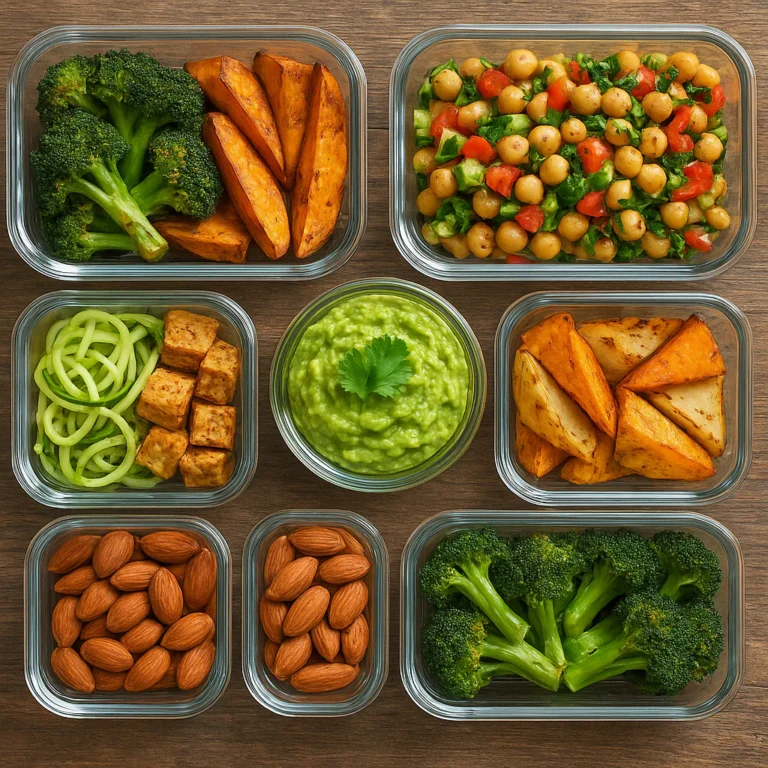
Get ready to embrace a rainbow of delicious and satisfying carbs. This is where our comprehensive Food Lists come in handy! Here are some of our absolute favorites, inspired by the fantastic list from The Real Food Dietitians.
Sweet Potatoes & Yams: The Whole30 Staple 🍠
If there’s one carb that reigns supreme on Whole30, it’s the humble sweet potato. It’s incredibly versatile, packed with fiber and beta-carotene, and oh-so-delicious. You can bake them, mash them, turn them into “toast,” or spiralize them into noodles. We love dicing them up for a hearty morning hash, a perfect addition to our Keto-Paleo Breakfasts.
Fruits: Nature’s Candy, in Moderation 🍎🍌
Yes, you can have fruit! Bananas, apples, berries, and citrus are all on the table. They’re perfect for a pre-workout energy boost or to add a touch of natural sweetness to a dish. A word of caution from the Whole30 founders: don’t use fruit to feed your “sugar dragon.” The goal is to change your habits, not find a loophole for dessert.
Non-Starchy Vegetables: Eat Your Greens (and Colors)! 🥦🥕
This is where you should go wild! Broccoli, cauliflower, bell peppers, zucchini, spinach, kale—the list is endless. While lower in carbs than their starchy cousins, they add up and provide crucial fiber and micronutrients. A massive salad for lunch is a Whole30 classic for a reason.
Even a brand like Chipotle has gotten in on the action with their Whole30® Salad Bowl, which features a Supergreens lettuce blend, chicken, fajita veggies, and salsa—all compliant and containing healthy carbs from vegetables.
Specific Brands and Products We Love
Finding compliant products can be tricky, but some brands make it easy!
- Trader Joe’s: A haven for Whole30 shoppers! We love their pre-chopped butternut squash, frozen riced cauliflower, and compliant chicken sausages.
- Thrive Market: This online marketplace has an entire Whole30 section. It’s our go-to for compliant sauces, dressings, and snacks from brands like Primal Kitchen and CHOMPS.
- Barnana: Their organic plantain chips are delicious, but be warned! The official Whole30 rules say no to all commercially prepared chips, even if the ingredients are compliant, because they are considered “foods without brakes.” It’s a tough rule, but it’s designed to help you break the habit of mindless snacking.
❌ Whole30 Carb No-Gos: The “Off-Limits” List!
Now for the tough love. To make the reset effective, some carb sources are completely off-limits for the 30 days.
Grains: A Hard Pass 🌾
This means no wheat, rice, corn, oats, quinoa, or any other grain. Yes, that means no bread, pasta, or tortillas. This is one of the hardest adjustments for many people, but it’s crucial for letting your system reset.
Legumes: The Tricky Ones 🥜
This category includes all beans, peas, chickpeas, lentils, soy, and peanuts. So, no hummus, no peanut butter, and no tofu. The reasoning is that legumes can be difficult for some people to digest and can cause inflammation.
Added Sugars & Sweeteners: The Ultimate Ban 🚫
This is a big one. No real or artificial sweeteners. That means no maple syrup, honey, agave, coconut sugar, stevia, or Splenda. You’ll become an expert label-reader, as sugar hides in everything!
Processed Foods & “SWYPO” (Sex With Your Pants On)
This is a uniquely Whole30 concept. “SWYPO” refers to recreating baked goods, junk foods, or treats with “compliant” ingredients. Think paleo pancakes or cauliflower pizza crust. While the ingredients might be fine, these foods are off-limits because they don’t help you break the psychological habits and cravings you’re trying to change. This is why those compliant plantain chips are a no-go!
The Science Behind Whole30 and Carb Intake: Why It Works for Your Body
So, what’s happening inside your body during these 30 days? It’s not just random rules; there’s a purpose behind eliminating certain foods while keeping others.
Blood Sugar Regulation and Insulin Sensitivity: A Healthier You
By cutting out refined grains and added sugars, you eliminate the main culprits of blood sugar spikes and crashes. Instead, you’re getting your carbs from high-fiber sources like vegetables and fruits. This fiber slows down the absorption of sugar into your bloodstream, leading to more stable energy levels throughout the day. No more 3 PM slump! Over time, this can help improve your body’s sensitivity to insulin, which is a cornerstone of metabolic health.
Gut Health and Inflammation Reduction: Beyond Just Carbs
Many of the eliminated food groups—like grains, legumes, and dairy—contain compounds that can be irritating to the gut lining for some individuals. By taking a 30-day break, you give your digestive system a chance to heal. Many people report significant improvements in bloating, gas, and other digestive woes. This reduction in gut irritation can also lead to a decrease in systemic inflammation, which is linked to a host of chronic health issues.
Energy Levels and Performance: Powering Your Whole30 Journey ⚡
Ever heard of the “Carb Flu” or “Tiger Blood”? These are common terms in the Whole30 community. The first week or so can be tough as your body adjusts to burning cleaner fuel. You might feel tired and sluggish (the “flu”). But then, something amazing often happens. Around week two, many people report a surge of steady, clean energy that lasts all day—this is “Tiger Blood.” By fueling yourself with nutrient-dense carbs, healthy fats, and quality protein, you’re giving your body the building blocks it needs to thrive.
Our Team’s Whole30 Carb Experiences: Real Talk from Keto Paleo Recipes™ Experts!
We don’t just talk the talk; we’ve walked the walk! Our team has done multiple rounds of Whole30, and we’ve all learned a ton about our personal carb needs.
Chef Elena’s Sweet Potato Revelation: Fueling a Busy Kitchen 🍠
“My first Whole30, I tried to go too low-carb because I was so used to keto. Big mistake! I was on my feet in a hot kitchen for 10 hours a day and felt completely drained. On my second round, I made sure to have a roasted sweet potato with my lunch every day. It was a game-changer! I had sustained energy, felt satisfied, and wasn’t craving sugar in the afternoon. It taught me that my body needs those good-quality carbs to perform.”
Trainer Mark’s Energy Boost with Fruit: Crushing Workouts 🏃♂️
“As a personal trainer, my energy is my currency. I was worried Whole30 would tank my performance. I learned to use fruit strategically. A small banana about 45 minutes before a heavy lifting session gave me the perfect jolt of energy to power through. Post-workout, I’d have a big plate of protein and roasted veggies, including potatoes or parsnips, to replenish my glycogen stores. It proved to me that timing your carbs can make all the difference.”
Nutritionist Sarah’s Gut Health Journey: Finding Balance 👩⚕️
“For me, Whole30 was all about gut health. I’d been struggling with bloating for years. The elimination phase was eye-opening. But the real magic happened during reintroduction. I learned that grains, especially gluten, were a major trigger for me. But I also learned that my body does great with potatoes and a moderate amount of fruit. It gave me a personalized roadmap for eating that I still follow today. It’s not about being perfect; it’s about being informed.”
Crafting Your Whole30 Plate: Balancing Carbs, Proteins, and Healthy Fats
So, what does a Whole30 plate actually look like? The program provides a simple template: fill your plate with a palm-sized portion of protein, then load up the rest with vegetables. Add a serving of healthy fats (like avocado or a drizzle of olive oil) and, if you’re active or feel you need it, a serving of starchy veggies or fruit.
Sample Meal Ideas for Every Carb Comfort Level: Your Daily Blueprint
Your carb needs will vary based on your activity level and personal metabolism. Here are some ideas from our Keto-Paleo Diet Plans to get you started.
Lower-Carb Whole30 Day: For the Carb-Conscious
- Breakfast: Scrambled eggs with spinach, mushrooms, and half an avocado.
- Lunch: A large salad with grilled chicken, cucumber, bell peppers, and a compliant vinaigrette.
- Dinner: Baked salmon with a side of roasted broccoli and cauliflower.
Moderate-Carb Whole30 Day: The Balanced Approach
- Breakfast: A compliant sausage patty with a side of sweet potato hash and sautéed kale.
- Lunch: Leftover salmon and roasted veggies from last night’s dinner.
- Dinner: A hearty beef stew loaded with carrots, celery, onions, and potatoes, a staple in our Keto-Paleo Dinners collection.
Higher-Carb Whole30 Day: For Active Lifestyles and Athletes
- Breakfast: A three-egg omelet with a side of roasted potatoes and a small banana.
- Lunch: A big bowl of shredded pork over a baked sweet potato, topped with guacamole and salsa.
- Dinner: Grilled steak with a large portion of roasted root vegetables like parsnips, carrots, and beets.
Portion Control and Mindful Eating: It’s Not Just About What, But How Much
One of the beautiful things about Whole30 is the freedom from counting. No calories, no macros, no points. The goal is to learn to listen to your body’s hunger and satiety cues. Eat when you’re hungry, and stop when you’re full. This practice of mindful eating is one of the most valuable skills you can take away from the program.
Beyond the 30 Days: Sustaining Healthy Carb Habits for Life
The Whole30 isn’t meant to last forever. The real work begins on Day 31 with the reintroduction phase. This is your chance to collect data and figure out what your “food freedom” looks like.
Reintroduction Phase: Learning Your Body’s Unique Signals
As the video review points out, the reintroduction phase is critical. You’ll slowly and systematically reintroduce the food groups you eliminated—legumes, non-gluten grains, dairy, and gluten-containing grains—one at a time, paying close attention to how you feel. This process helps you pinpoint exactly which foods might be causing issues for you, whether it’s bloating from dairy or brain fog from gluten.
Finding Your Personal Carb Sweet Spot: A Lifetime of Wellness
Ultimately, Whole30 is a tool to help you build a sustainable, healthy way of eating that works for your unique body. You might discover you feel best on a moderately low-carb plan, or you might find you need more starchy vegetables to fuel your active lifestyle. There’s no one-size-fits-all answer. The goal is to take the lessons you’ve learned about food quality and mindfulness and apply them for the long haul.
Conclusion: The Whole30 Carb Clarity You’ve Been Craving!
So, is Whole30 carb-free? The answer is a resounding no—and thank goodness for that! Whole30 isn’t about cutting carbs to the bone but about choosing quality, whole-food sources of carbohydrates that nourish your body and support your energy, gut health, and overall well-being. From sweet potatoes to berries, the program encourages you to fuel your reset with nutrient-dense carbs while eliminating inflammatory culprits like grains, legumes, and added sugars.
Our Keto Paleo Recipes™ team’s personal experiences reinforce this: carbs are your friends on Whole30, especially if you want to avoid the dreaded “carb flu” and keep your energy levels soaring. Whether you’re a busy chef, a personal trainer, or a nutritionist, embracing carbs thoughtfully has been a game-changer.
If you were wondering how Whole30 stacks up against keto, now you know: keto is a low-carb, high-fat lifestyle aiming for ketosis, while Whole30 is a 30-day whole-food reset focusing on eliminating problematic foods and improving your relationship with eating. Both have their place, but they serve different purposes.
So, if you’re ready to embark on a Whole30 journey without fear of carb deprivation, armed with the knowledge of what to eat and what to avoid, you’re set for success. Remember, it’s not about perfection but about learning what works best for your unique body and lifestyle.
Ready to fuel your Whole30 with delicious, compliant recipes? Dive into our Whole30 keto recipes for inspiration that blends the best of both worlds!
Recommended Links: Dive Deeper with Keto Paleo Recipes™!
Looking to stock your pantry or find trusted resources? Here are some top picks from our team:
- 👉 Shop Trader Joe’s Whole30-Friendly Finds:
- 👉 Shop Thrive Market Whole30 Essentials:
- Primal Kitchen Products (Dressings, Oils):
- Barnana Organic Plantain Chips (Remember: No commercial chips on Whole30, but great for after!):
- Recommended Books for Whole30 Success:
- The Whole30: The 30-Day Guide to Total Health and Food Freedom by Melissa Hartwig Urban & Dallas Hartwig
Amazon Link - It Starts With Food by Melissa Hartwig Urban
Amazon Link
- The Whole30: The 30-Day Guide to Total Health and Food Freedom by Melissa Hartwig Urban & Dallas Hartwig
FAQ: Your Burning Whole30 Carb Questions Answered!
Does Whole30 allow fruits and vegetables that contain carbs?
Absolutely! Whole30 encourages you to eat plenty of fruits and vegetables, many of which contain carbohydrates. The key is that these carbs come from whole, unprocessed sources. Fruits like berries, apples, and bananas provide natural sugars and fiber, while vegetables—both starchy (sweet potatoes, carrots) and non-starchy (spinach, broccoli)—offer essential nutrients and fiber. Unlike diets that restrict carbs, Whole30 focuses on quality rather than quantity, so you can enjoy these foods freely within the program’s guidelines.
How can I balance carbs on a Whole30 plant-based diet?
Balancing carbs on a plant-based Whole30 can be a bit tricky but totally doable! Focus on:
- Starchy vegetables: Sweet potatoes, winter squash, and beets are your go-to carb sources.
- Non-starchy vegetables: Load up on leafy greens, cruciferous veggies, and colorful peppers.
- Fruits: Incorporate moderate amounts of berries, apples, and citrus for natural sweetness.
- Healthy fats and protein: Include nuts, seeds, avocado, and compliant plant-based proteins like eggs (if you include them) or seafood.
Mindful portioning and combining carbs with fats and protein help stabilize blood sugar and keep you satisfied. Our Food Lists and Keto-Paleo Diet Plans offer great templates to guide you.
What are some low-carb Whole30 compliant plant-based meals?
Here are a few tasty ideas:
- Zucchini noodles with avocado pesto and roasted cherry tomatoes
- Cauliflower rice stir-fry with mushrooms, bell peppers, and coconut aminos
- Stuffed portobello mushrooms with spinach, garlic, and pine nuts
- Roasted Brussels sprouts and asparagus with lemon-tahini dressing
These meals keep carbs on the lower side while packing in flavor and nutrients. For more inspiration, check out our Keto-Paleo Dinners and Keto-Paleo Breakfasts.
Is it possible to do Whole30 with a focus on plant-based carbs?
Yes, but with some caveats. Whole30 is not a vegetarian or vegan diet—it includes animal proteins like meat, seafood, and eggs. However, many plant-based carb sources are Whole30-compliant, such as sweet potatoes, winter squash, and most fruits and vegetables.
If you follow a plant-forward approach, you can emphasize these carb sources while including compliant animal proteins or eggs to meet protein needs. Strict vegan Whole30 is challenging because legumes and soy are excluded. Some people adopt a “pescatarian Whole30” or “flexitarian” approach to balance plant-based carbs with animal proteins.
Reference Links: Our Sources & Further Reading
For those who want to dig deeper, here are the reputable sources we referenced:
- The Real Food Dietitians: 15 Whole30 Carb Sources
- Chipotle: Lifestyle Bowls
- CookUnity: Whole30 Diet vs Keto Diet – The Key Differences
- Whole30 Official Website: Whole30 Program Rules
- Primal Kitchen: Official Site
- Trader Joe’s: Official Site
- Thrive Market: Official Site
- Barnana: Official Site
For more on keto and Whole30 crossover recipes, visit our Whole30 Keto Recipes page.
We hope this comprehensive guide has cleared up the mystery around Whole30 and carbs and empowered you to embark on your Whole30 journey with confidence and delicious food on your plate! 🎉