Support our educational content for free when you buy through links on our site. Learn more
15 Must-Try Ketogenic Diet Plant-Based Options for 2025 🌱🔥

Imagine unlocking the fat-burning power of keto without sacrificing your love for plants — sounds like a dream, right? Well, it’s not just possible, it’s thriving as one of the hottest nutrition trends of 2025. Whether you’re a seasoned keto enthusiast or a curious plant-based eater, this guide will walk you through the best ketogenic diet plant-based options that keep you in ketosis while honoring your ethical and environmental values.
Did you know that combining keto with plant-based eating can actually improve heart health and blood pressure better than traditional keto? But beware—the journey isn’t without its quirks. From navigating tricky plant-based proteins to decoding the keto-friendliness of popular meat alternatives like Beyond Meat, we’ve got you covered. Ready to discover the 15 essential foods, tips, and strategies that make plant-based keto not just doable, but downright delicious? Let’s dive in!
Key Takeaways
- Plant-based keto blends low-carb, high-fat eating with ethical, nutrient-dense plant foods like avocados, nuts, and fermented soy.
- Weight loss, improved energy, and heart health are some of the top benefits backed by science and real-world success.
- Avoid hidden carbs in popular plant-based meat substitutes like Beyond Meat; choose cleaner options like Lightlife or homemade seitan.
- Meal planning and supplementation (B12, omega-3, magnesium) are crucial for thriving on this diet.
- Expect an adaptation phase (“keto flu”) but stay hydrated and supplement electrolytes to breeze through it.
👉 Shop Plant-Based Keto Essentials:
- Beyond Meat on Amazon | Lightlife on Walmart
- Nuun Electrolytes on Amazon | LMNT Electrolytes Official
Ready to fuel your body with fat and plants? Keep reading to unlock the secrets of plant-based keto mastery!
Table of Contents
- ⚡️ Quick Tips and Facts
- The Rise of Plant-Powered Keto: A Background Story 🌱
- Unpacking Plant-Based Keto: What Exactly Is This Green, Lean Machine? 🤔
- The Verdant Advantages: Why Go Plant-Based Keto? ✅
- Your Plant-Based Keto Pantry: What’s In & What’s Out? 🛒
- Navigating the Plant-Based Keto Landscape: Practical Strategies & Meal Planning Mastery 🍽️
- Beyond the Burger: Are Plant-Based Meat Alternatives Keto-Friendly? (A Deep Dive into Brands like Beyond Meat & Impossible Foods) 🍔
- Making the Leap: A Step-by-Step Guide to Transitioning to Plant-Based Keto 🌱
- Riding the Green Wave: What to Expect on Your Plant-Based Keto Journey 🎢
- Common Hurdles & How to Leap Them: Troubleshooting Your Plant-Based Keto Path 🚧
- Plant-Based Keto vs. Traditional Keto vs. Vegan: A Head-to-Head Showdown! 🥊
- Busting the Myths: Separating Plant-Based Keto Fact from Fiction 🕵️♀️
- Sustainable & Ethical Eating: The Conscience of Plant-Based Keto 🌍
- Conclusion: Your Green Keto Journey Awaits! 🎉
- Recommended Links
- Reference Links
⚡️ Quick Tips and Facts
Welcome to the lush, leafy world of plant-based ketogenic diets! If you’re wondering how to marry the fat-burning magic of keto with the vibrant, nutrient-packed power of plants, you’re in the right place. Here’s a quick cheat sheet from our Keto Paleo Recipes™ team to get you started:
- Plant-Based Keto = Low-Carb + High-Fat + Plant-Powered Protein 🥑🌿
- Typical macros: 60-75% fat, 15-30% protein, 5-15% net carbs (mostly from non-starchy veggies)
- Healthy fats come from avocados, olives, coconut oil, MCT oil, nuts, and seeds
- Protein sources include tempeh, tofu (fermented preferred), nuts, seeds, and select plant-based meat alternatives
- Avoid high-carb fruits (bananas, grapes), grains, legumes (except fermented soy), and starchy veggies (potatoes, corn)
- Expect an adaptation phase (“keto flu”) with fatigue and cravings—hydrate and supplement electrolytes!
- Plant-based keto can be heart-friendly and better for blood pressure than traditional keto diets
- It’s a flexible, sustainable lifestyle that can promote weight loss, energy, and mental clarity
For a deep dive into recipes and meal plans, check out our Keto Paleo Recipes collection. Ready to go green and keto? Let’s explore the full landscape! 🌱🔥
The Rise of Plant-Powered Keto: A Background Story 🌱
The ketogenic diet has been a superstar for weight loss and metabolic health, but it’s often criticized for its heavy reliance on animal products. Enter the plant-based keto revolution—a hybrid approach that combines the fat-burning benefits of keto with the ethical, environmental, and health perks of plant-based eating.
This trend gained momentum with influencers like Will Cole popularizing the “ketotarian” lifestyle, which emphasizes plant fats and proteins while maintaining ketosis. It’s not just a fad; it’s a response to growing concerns about sustainability, animal welfare, and chronic disease prevention.
Our chefs and trainers at Keto Paleo Recipes™ have witnessed firsthand how this approach can transform energy levels and body composition without sacrificing flavor or variety. It’s a win-win for your health and the planet!
Unpacking Plant-Based Keto: What Exactly Is This Green, Lean Machine? 🤔
At its core, plant-based keto is a low-carb, high-fat diet that excludes or minimizes animal products. Unlike traditional keto, which often leans on bacon, cheese, and steak, plant-based keto focuses on:
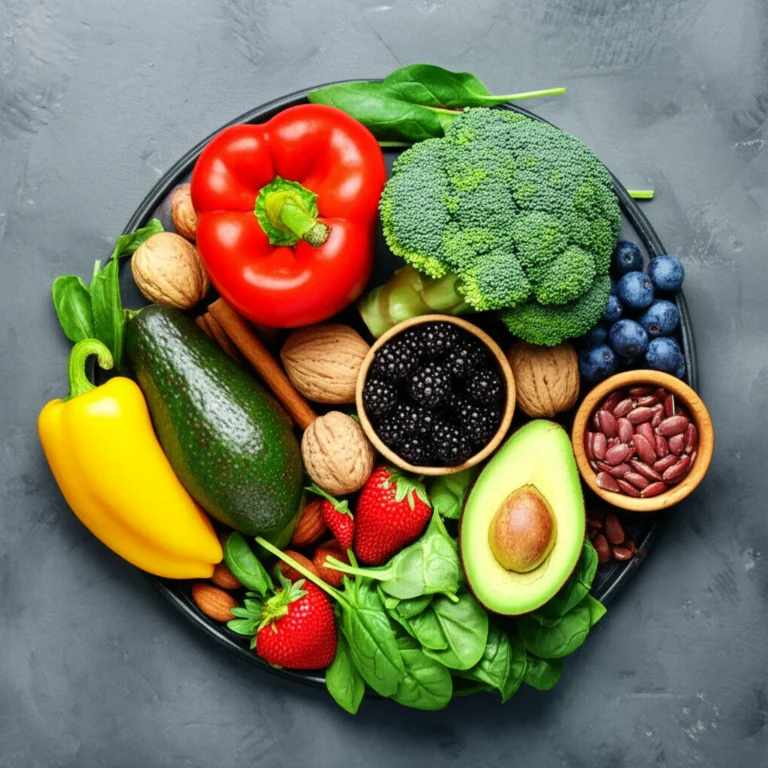
- Healthy plant fats: Avocados, olives, coconut oil, MCT oil, nuts, and seeds
- Plant proteins: Tempeh, fermented tofu, seitan (in moderation), nuts, and seeds
- Low-carb veggies: Leafy greens, broccoli, cauliflower, zucchini, mushrooms, and more
- Limited fruits: Mostly berries and low-fructose citrus
This approach requires careful planning to hit ketosis while meeting protein needs and avoiding hidden carbs. But with the right tools and recipes, it’s absolutely doable—and delicious!
The Verdant Advantages: Why Go Plant-Based Keto? ✅
Plant-based keto isn’t just a trend; it’s a lifestyle packed with benefits. Here’s why our Keto Paleo Recipes™ team recommends it:
1. Shedding Pounds the Plant-Based Way: Weight Management & Metabolic Magic ✨
- Fat-burning ketosis helps your body tap into stored fat for energy.
- Plant-based keto often leads to natural calorie reduction because of high fiber and nutrient density.
- Studies show plant-based diets can promote weight loss and improve insulin sensitivity.
- Our personal trainers note clients feel less sluggish and more satiated on this diet.
2. Taming the Pressure: Plant-Based Keto for Blood Pressure Harmony ❤️
- Research indicates plant-based diets reduce C-reactive protein, an inflammation marker linked to hypertension.
- Keto’s blood sugar stabilization combined with plant foods’ antioxidants supports heart health.
- Amrita Health Foods highlights plant-based keto as a better option for hypertensive individuals.
3. Beyond the Scale: Energy, Clarity, and Gut Health Gains 🧠
- Ketones provide a clean, efficient fuel for the brain, improving focus and mood.
- Fiber-rich veggies and fermented foods support a healthy microbiome.
- Many report reduced cravings and improved digestion on plant-based keto.
Your Plant-Based Keto Pantry: What’s In & What’s Out? 🛒
Building the right pantry is your first step to success. Here’s a detailed breakdown:
1. The Green Light List: Must-Have Plant-Based Keto Foods ✅
| Food Category | Examples | Notes |
|---|---|---|
| Healthy Fats | Avocados, olives, coconut oil, MCT oil, olive oil, red palm oil | Use cold-pressed, unrefined oils for max nutrients |
| Plant Proteins | Tempeh, fermented tofu, seitan (moderate), nuts (almonds, macadamia), seeds (chia, flax, hemp) | Fermented soy preferred for gut health |
| Low-Starch Veggies | Spinach, kale, broccoli, cauliflower, zucchini, mushrooms, asparagus, Brussels sprouts | Bulk up meals with these fibrous veggies |
| Low-Fructose Fruits | Strawberries, raspberries, blackberries, lemon, grapefruit | Enjoy in moderation due to carbs |
| Condiments & Extras | Nutritional yeast, fresh herbs, lemon juice, spices | Adds flavor without carbs |
2. The Red Light List: Foods to Sidestep on Your Plant-Based Keto Journey ❌
- High-carb fruits: bananas, apples, oranges, grapes, mangoes
- Starchy veggies: potatoes, sweet potatoes, corn
- Grains & legumes: rice, oats, beans, chickpeas, lentils (except fermented soy)
- Processed sugars & baked goods
- Dairy and animal products (unless you’re flexing keto-paleo)
- Seed oils like soybean, corn, and sunflower oils (pro-inflammatory)
Navigating the Plant-Based Keto Landscape: Practical Strategies & Meal Planning Mastery 🍽️
Success on plant-based keto is all about smart planning. Here’s how to make it work:
1. Crafting Your Daily Plate: Sample Meal Ideas for Plant-Based Keto Success 🥗
- Breakfast: Chia pudding with coconut milk, topped with raspberries and chopped walnuts
- Lunch: Zucchini noodles tossed with avocado pesto, sautéed mushrooms, and hemp seeds
- Snack: Celery sticks with almond butter or a handful of macadamia nuts
- Dinner: Stir-fried tempeh with broccoli, bok choy, and coconut aminos
For more inspiration, explore our Keto-Paleo Dinners and Keto-Paleo Breakfasts categories.
2. Essential Supplements for a Thriving Plant-Based Keto Lifestyle 💊
- Vitamin B12: Critical for vegans; consider methylcobalamin form
- Vitamin D3: Supports immunity and bone health, especially if indoors
- Omega-3 (Algal Oil): Plant-based EPA/DHA source for heart and brain health
- Magnesium: Helps prevent cramps and supports energy metabolism
- Electrolytes: Sodium and potassium to balance hydration and avoid “keto flu”
3. Hydration & Electrolytes: The Unsung Heroes of Keto Adaptation 💧
- Keto diets cause rapid water and electrolyte loss—hydrate with mineral-rich water or add Himalayan pink salt to meals
- Bone broth alternatives: seaweed broths or vegetable stock with added salt can help replenish minerals
- Our trainers swear by electrolyte supplements like Nuun Sport or LMNT for smooth transitions
Beyond the Burger: Are Plant-Based Meat Alternatives Keto-Friendly? (A Deep Dive into Brands like Beyond Meat & Impossible Foods) 🍔
Plant-based meat substitutes have exploded in popularity, but are they keto-compatible? Let’s break down the facts:
| Brand | Net Carbs (per 4 oz) | Key Ingredients | Keto-Friendly? | Notes |
|---|---|---|---|---|
| Beyond Meat | ~3-5g | Pea protein, mung bean protein, potato starch, maltodextrin | ❌ borderline | Contains potato starch and maltodextrin—can spike blood sugar; not ideal for strict keto |
| Impossible Foods | ~2-3g | Soy protein, sunflower oil, natural flavors | ✅ moderate | Lower in carbs but contains soy; watch for additives |
| Lightlife | ~1-2g | Pea protein, coconut oil | ✅ good | Cleaner ingredient list, lower carbs |
Our Take: While these products offer convenience and familiar textures, the added starches and fillers in Beyond Meat make it less keto-friendly. If you want to indulge, choose brands with minimal carbs and clean ingredients like Lightlife or homemade seitan (watch carb count).
For recipes featuring plant-based proteins without processed alternatives, check out our Food Lists for wholesome options.
👉 Shop Plant-Based Meat Alternatives on:
Making the Leap: A Step-by-Step Guide to Transitioning to Plant-Based Keto 🌱
Switching diets can feel like jumping off a cliff, but we’re here to help you glide down smoothly:
- Consult Your Healthcare Provider: Especially if you have existing conditions or take medications.
- Purge Your Pantry: Remove high-carb temptations and stock up on keto-friendly plant foods.
- Plan Your Meals: Use our sample menus and food lists to map out your week.
- Start Gradually: Reduce carbs and animal products over 1-2 weeks to ease adaptation.
- Hydrate & Supplement: Keep electrolytes balanced to avoid keto flu symptoms.
- Track Your Macros: Apps like Carb Manager or Cronometer help keep you in ketosis.
- Embrace Flexibility: Allow room for experimentation and listen to your body’s signals.
- Join a Support Group: Online forums or local meetups can boost motivation.
Our personal trainers have seen clients thrive with this approach, especially when paired with moderate exercise and mindfulness practices.
Riding the Green Wave: What to Expect on Your Plant-Based Keto Journey 🎢
The first few weeks can be a rollercoaster. Here’s what you might experience:
- Days 1-3: Your body burns through stored glycogen; expect some fatigue and cravings.
- Days 4-7: Ketosis kicks in; energy may dip but mental clarity starts to improve.
- Weeks 2-4: Keto flu symptoms (headaches, irritability) may appear but usually fade with hydration and electrolytes.
- Month 1+: Increased energy, reduced hunger, improved digestion, and possible weight loss.
Remember, everyone’s journey is unique. Our chefs recommend keeping meals flavorful and varied to avoid boredom.
Common Hurdles & How to Leap Them: Troubleshooting Your Plant-Based Keto Path 🚧
- Keto Flu: Combat with hydration, magnesium supplements, and gentle exercise.
- Protein Deficiency: Include fermented soy, nuts, and seeds; consider pea or hemp protein powders.
- Social Situations: Bring your own dishes or scope menus ahead to avoid carb traps.
- Cravings for Bread or Sweets: Try keto-friendly snacks like nut butters or dark chocolate (70%+ cocoa).
- Digestive Issues: Increase fiber gradually and add fermented foods like sauerkraut or kimchi.
Our trainers often recommend journaling symptoms and progress to stay motivated and adjust as needed.
Plant-Based Keto vs. Traditional Keto vs. Vegan: A Head-to-Head Showdown! 🥊
| Aspect | Plant-Based Keto | Traditional Keto | Vegan Diet |
|---|---|---|---|
| Animal Products | Minimized or excluded | Emphasized (meat, dairy) | Excluded |
| Fat Sources | Plant oils, nuts, seeds, avocado | Animal fats, butter, cheese | Plant oils, nuts, seeds, avocado |
| Protein Sources | Tempeh, tofu, nuts, seeds | Meat, eggs, dairy | Legumes, grains, tofu (higher carb) |
| Carb Limit | 5-15% calories | 5-10% calories | Varies, often higher than keto |
| Sustainability | High (plant-focused) | Moderate to low | High |
| Health Benefits | Heart-friendly, anti-inflammatory | Weight loss, blood sugar control | Lower chronic disease risk |
| Challenges | Protein adequacy, keto flu | Inflammation from animal fats | Higher carb intake, ketosis hard |
Each has its pros and cons. Plant-based keto offers a balanced middle ground for those wanting keto benefits without animal products’ drawbacks.
Busting the Myths: Separating Plant-Based Keto Fact from Fiction 🕵️♀️
-
Myth: You can’t get enough protein on plant-based keto.
Fact: With tempeh, nuts, seeds, and supplements, protein needs are achievable. -
Myth: Plant-based keto is boring and restrictive.
Fact: With diverse veggies, spices, and fats, meals can be vibrant and satisfying. -
Myth: Plant-based keto is just a fad.
Fact: It’s rooted in solid science combining ketosis with plant nutrition benefits. -
Myth: You’ll lose muscle mass.
Fact: Adequate protein and strength training prevent muscle loss.
Our Keto Paleo Recipes™ team encourages you to experiment and find what works best for your body!
Sustainable & Ethical Eating: The Conscience of Plant-Based Keto 🌍
Choosing plant-based keto isn’t just about personal health—it’s a statement for the planet and animals. Plant-based diets:
- Use fewer natural resources (water, land) than meat-heavy diets
- Reduce greenhouse gas emissions significantly
- Promote biodiversity and reduce pollution
By combining keto’s metabolic benefits with plant-based ethics, you’re crafting a diet that’s good for you and the Earth. Our chefs love sourcing local, organic produce to maximize freshness and minimize carbon footprint.
Conclusion: Your Green Keto Journey Awaits! 🎉
We’ve taken a deep dive into the vibrant world of plant-based ketogenic diets, exploring everything from pantry essentials to troubleshooting keto flu and even the keto-compatibility of trendy plant-based meats like Beyond Meat. The verdict? Plant-based keto is not only possible but a powerful, sustainable, and healthful way to enjoy the benefits of ketosis without compromising your ethics or environmental values.
Positives:
✅ Supports weight loss and metabolic health with nutrient-dense, fiber-rich plant foods
✅ Better for heart health and blood pressure compared to traditional keto
✅ Rich in antioxidants, vitamins, and minerals from diverse vegetables and healthy fats
✅ Environmentally sustainable and ethically aligned with plant-based lifestyles
Challenges:
❌ Requires careful planning to meet protein needs and avoid hidden carbs
❌ Some plant-based meat alternatives contain fillers that may disrupt ketosis
❌ Initial adaptation phase can include keto flu symptoms, but these are manageable
Our Keto Paleo Recipes™ team confidently recommends giving plant-based keto a try, especially if you’re looking for a balanced, flexible, and delicious way to burn fat, boost energy, and support overall wellness. Remember, the key is planning, variety, and listening to your body. Ready to jump in? Your green keto adventure is just a forkful away!
Recommended Links
Here are some top products and resources to help you thrive on your plant-based keto journey:
-
Beyond Meat Plant-Based Burger:
Amazon | Walmart | Beyond Meat Official Website -
Lightlife Plant-Based Meat Alternatives:
Amazon | Walmart | Lightlife Official Website -
LMNT Electrolyte Drink Mix:
Amazon | LMNT Official Website -
Books for Deeper Learning:
FAQs (Frequently Asked Questions)
What are the best plant-based sources of healthy fats for a ketogenic diet?
The cream of the crop includes avocados, extra virgin olive oil, coconut oil, MCT oil, nuts (especially macadamia, almonds, and walnuts), and seeds like chia, flax, and hemp. These fats provide energy, support ketosis, and deliver essential fatty acids and antioxidants. Our chefs love using avocado oil for cooking and drizzling olive oil on salads for that rich, fruity flavor.
How can I get enough protein on a plant-based ketogenic diet?
Protein can be a tricky puzzle, but it’s solvable! Focus on fermented soy products like tempeh and natto, tofu (preferably organic and fermented), seitan (watch carb count), nuts and seeds, and plant-based protein powders such as pea or hemp protein. Combining these sources throughout the day helps meet your needs without breaking ketosis. Supplementing with a clean plant-based protein powder can be a game-changer for active individuals.
What are some delicious and easy-to-make plant-based ketogenic recipes?
Try these crowd-pleasers:
- Zucchini noodles with avocado pesto and sautéed mushrooms
- Chia seed pudding with coconut milk and fresh berries
- Stir-fried tempeh with broccoli and bok choy in coconut aminos
- Cauliflower rice “fried rice” with nuts and herbs
For more inspiration, explore our Keto-Paleo Dinners and Keto-Paleo Breakfasts collections.
Can you follow a plant-based ketogenic diet if you’re a vegan or vegetarian?
Absolutely! Plant-based keto aligns well with vegan and vegetarian lifestyles, though vegans must be especially mindful of protein and micronutrient intake. Vegetarians who consume eggs or dairy have more flexibility but should still focus on low-carb, high-fat plant foods. Supplementation with vitamin B12, vitamin D, and omega-3s (from algal oil) is recommended for vegans.
What are the benefits of a plant-based ketogenic diet compared to a traditional ketogenic diet?
Plant-based keto offers lower inflammation, better heart health, and improved blood pressure due to its emphasis on antioxidants and fiber-rich plant foods. It’s also more sustainable and ethical, reducing environmental impact. Traditional keto may provide quicker protein access but can be higher in saturated fats and less diverse in micronutrients.
How do I ensure I’m getting all the necessary nutrients on a plant-based ketogenic diet?
Plan meals around a variety of colorful vegetables, nuts, seeds, and fermented soy products. Supplement with vitamin B12, vitamin D3, omega-3 algal oil, magnesium, and electrolytes to cover common gaps. Regular blood tests and consultation with a healthcare provider help tailor your plan.
Are there any plant-based alternatives to common ketogenic diet foods like eggs and cheese?
Yes! For eggs, chia or flax “eggs” (ground seeds mixed with water) work well in baking. Tofu scramble is a savory alternative to scrambled eggs. For cheese, try nut-based cheeses (cashew cheese), nutritional yeast for cheesy flavor, and vegan cream cheese made from coconut or cashews. These options keep your meals keto-friendly and plant-powered.
Reference Links
- Amrita Health Foods: Plant-Based Keto Diet Guide
- Healthline: Ketogenic Diet Foods
- Healthline: Vegan Keto Diet
- Beyond Meat Official Website
- Lightlife Official Website
- Nuun Official Website
- LMNT Official Website
- Keto Paleo Recipes™: Keto Paleo Recipes Collection
Ready to embrace the green, fat-fueled lifestyle? Your plant-based keto adventure awaits—let’s get cooking and thriving! 🌿🔥